


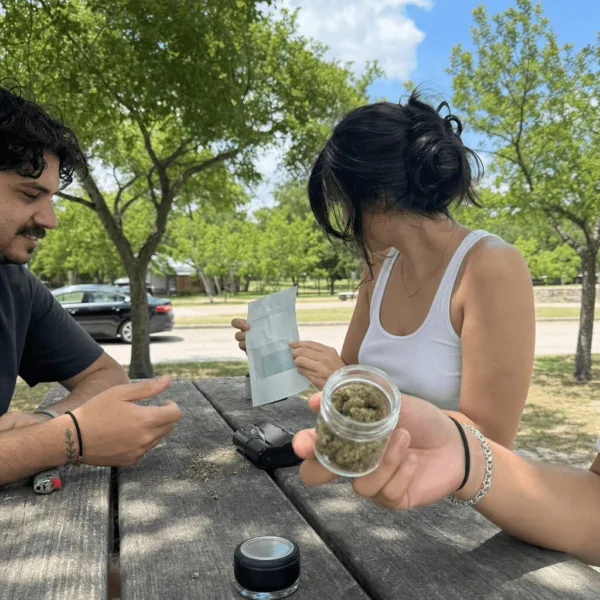



Marijuana Safety Awareness Campaign: What You Need to Know
With cannabis legalization lighting up markets and changing the way we vibe legally, a fresh push for education just rolled out: the marijuana safety awareness campaign. As more tokers and canna-curious folks join the scene, responsible education is the name of the game. In this piece, we break down why the marijuana safety awareness campaign is front and center now, the story behind its funding, its major aims, and what it means for seasoned users and newcomers navigating today’s evolving cannabis landscape.
Understanding the Cannabis Safety Landscape: Background & Context
For years, the legal cannabis space in America has undergone serious evolution. According to NORML, more than half of all U.S. states now allow medical or adult-use marijuana in some form, with consumer attitudes mellowing considerably. Despite these cultural shifts, regulations still trip folks up, especially around advertising, impaired driving, and safe usage. States like Michigan, California, and Illinois are leading efforts to bridge the gap between new freedoms and necessary protections (MLive). In some cases, strict enforcement has echoed the outrage seen in law enforcement crackdowns—take, for instance, reports that parallel the Abilene CBD Police Raid and emerging concerns about lab testing, which reflect ongoing industry scrutiny. Public health agencies, backed by research from credible outfits such as the CDC, stress that education campaigns matter more than ever as first-time consumers grow and old-school users adapt to today’s stronger products. Legalization brings with it both promise and responsibility, making the marijuana safety awareness campaign a must in this high-impact era.
Key Developments & Issues: The Marijuana Safety Awareness Campaign Launch
This week, Michigan’s government fired up a new round of marijuana safety awareness campaign ads. According to a recent report from WLEN, the state pumped fresh grant funding into public safety advertisements across radio, TV, and digital platforms. As Michigan’s Marijuana Regulatory Agency (MRA) drives these efforts, the rise in sales throughout the state’s popular resort areas underscores the importance of campaigns focusing on safe usage—echoed in the latest findings on Michigan marijuana sales surging in resort towns, showing both tourists and locals are more engaged than ever. The campaign, which officially launched in early September 2025, is designed to school users on responsible consumption—think dosage, impaired driving, and safe storage around kiddos. MRA administrates the funds and content, ensuring messages are science-based and accessible to all. These efforts echo similar campaigns in states like Colorado and Washington, where data from the Colorado Department of Public Health & Environment shows that well-placed education does reduce risky behaviors. Key talking points in Michigan’s program focus on not driving high, securing cannabis at home, and pushing back on outdated stigma. The initiative’s grant pool totals in the hundreds of thousands, with the campaign slated to run through the end of the year. Stakeholder input ranged from law enforcement groups to dispensary owners, with everyone agreeing: smarter consumers make safer communities.
Expert Analysis, Insights, and Pro-Cannabis Counterpoints
While some skeptics might see the marijuana safety awareness campaign as a buzzkill, industry veterans argue the opposite. According to Leafly, responsible use education not only keeps folks safer, it actually advances legalization efforts by boosting public trust. Dana G. Smith, a health and cannabis policy journalist, puts it this way: “Dispelling myths and teaching responsible use helps normalize cannabis for new generations, reducing fear while promoting safety.” Marijuana Moment notes that well-run campaigns also correct old-school scare tactics, swapping fear-mongering for facts and empathy tailored to modern realities. The marijuana safety awareness campaign directly addresses consumer confusion around edible dosages, onset times, and mixing substances, which have all increased as the industry matures (Harvard Health). For communities wrestling with evolving THC product trends, it’s worth noting how the market has redefined legal highs as explored in Ohio’s unregulated hemp THC products, revealing the nuanced safety landscape regulators now face. Ultimately, this campaign shows what the future of consumer education looks like: clear, transparent, stigma-free, and community-led. And for anyone worrying this will kill the vibe, consider this, nothing ruins a sesh faster than a preventable accident.
Where We’re Headed: Future Outlook & Conclusion
The shift sparked by the marijuana safety awareness campaign signals a bigger movement: cannabis is moving mainstream, and the industry is getting its house in order. With campaigns rooted in science, not scare tactics, states like Michigan are setting gold standards for education, harm reduction, and responsible use. As cited by Cannabis Business Times, normalization efforts are critical as public support, economic growth, and political legitimacy all hinge on trust and transparency. If we keep paving the way with honest, accessible education—meeting users where they are—this industry’s future stays bright, safe, and grounded in real community values. Here’s to a new era where everyone’s informed, empowered, and ready to roll responsibly.
Originally reported by: wlen.com


