Delta-8 THC Usage Statistics: Surprising Trends Revealed
If you’ve blinked lately, you might’ve missed how Delta-8 THC is making major headlines—again. As the cannabis industry rapidly evolves, Delta-8 THC usage statistics have become a hot topic for policy makers, businesses, and anyone interested in cannabis’s legal and cultural transformation. Shifts in consumer habits, legal push-and-pull, and surprising usage numbers are sparking national debate. Let’s break down the latest numbers, regulatory moves, and what they really mean for America’s favorite buzzy cannabinoid.
The Evolving Legal Landscape and Market Forces Shaping Delta-8
Delta-8 THC may sound like its famous cousin Delta-9, but U.S. law treats them differently, sometimes creating a regulatory gray zone. Delta-8’s market surge began with the 2018 Farm Bill, which legalized hemp and its derivatives. This loophole allowed Delta-8, derived from legal hemp, to explode into smoke shops and online carts nationwide. Regulatory confusion followed. The U.S. Food and Drug Administration has issued warnings, while state legislatures scramble to draft new rules. As reported by Leafly, consumer demand is fueling a booming market, but also raising questions about safety, quality, and access. Much like the controversy seen recently in Indian cinema over cannabis themes, attention around cannabinoids is capturing the public’s curiosity, inspiring cultural conversation and scrutiny. While some states like Texas and Florida have moved to restrict its sale, others are still undecided, fueling patchwork legality and, ironically, upping consumer curiosity. All this regulatory turbulence makes Delta-8 THC usage statistics a key metric for lawmakers and businesses alike.
Key Developments & Surprising Usage Numbers
The Delta-8 THC story is moving fast. According to a recent CDC study, nearly one in six U.S. adults with cannabis experience have tried Delta-8 THC in the past year. The same report highlights how the compound’s ‘legal’ status has led to rapid adoption, especially in states where Delta-9 remains restricted.
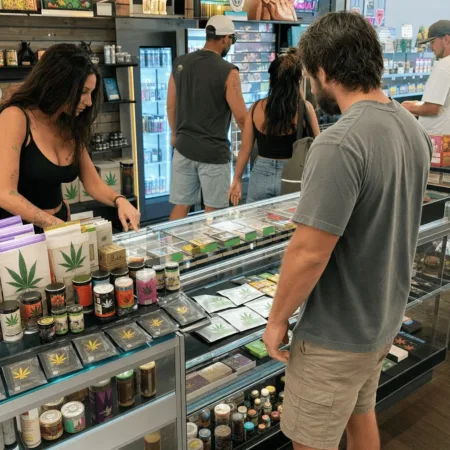
On the business front, players like CBD Kratom and local vape shops have benefited from the compound’s semi-legal status, seeing a bump in sales in 2023 and 2024. Meanwhile, regulators aren’t just sitting back. Illinois state officials, for example, moved to pass emergency rules on intoxicating hemp products after reports of increased Delta-8 consumption and related health incidents. Industry watchdogs such as NORML and the Marijuana Moment news outlet highlight that over 21 states have banned or restricted Delta-8 products since 2022, but enforcement remains uneven. These regulatory moves mirror other states’ intense debates and actions regarding cannabis, as seen when Texas lawmakers tackled new THC regulations in a bid to clarify the patchwork of laws.
One recent legal development involved lawsuits challenging state bans, with courts in Kentucky and Texas issuing conflicting rulings as recently as March 2024. According to NORML, these mixed signals leave vendors and consumers in limbo, but haven’t stopped usage from rising. Delta-8 THC usage statistics show continued growth, especially among younger adults, with Gen Z reporting the highest rates of experimentation, as captured in recent surveys cited by Headset, a cannabis data analytics firm.
Expert Analysis, Insights, and a Pro-Cannabis Take
So, what drives this Delta-8 trend? First, accessibility: Delta-8 products are everywhere from gas stations to boutique CBD shops, thanks to hemp loopholes. Second, stigma is fading. Consumers curious about cannabis but wary of traditional THC are turning to Delta-8 for a milder, often less anxiety-inducing high.
“Delta-8’s explosion is a direct result of muddled regulation and real consumer demand,” says Dr. Peter Grinspoon, a well-known physician and cannabis expert, in Harvard Health Publishing. He adds, “As with all cannabinoids, research and responsible regulations are key, what matters is keeping people safe, not shutting down access entirely.”
Industry analysts agree: Delta-8 THC usage statistics indicate that the market is adapting faster than laws can keep up. The demand for alternatives, especially in non-legal states, demonstrates how public opinion and innovative business models often outpace sluggish legal systems. In communities like Somerville, the process for expanding cannabis social consumption options presents similar regulatory and cultural hurdles, reflecting the national dynamic around Delta-8’s rapid rise and ongoing local debates. These trends mirror early cannabis markets, where interest, curiosity, and incomplete laws pushed usage into the mainstream long before broad legalization.
Future Outlook: Delta-8, Cannabis Culture, and the Next Wave
One thing’s clear: Delta-8 THC usage statistics will remain a focal point for the legal cannabis landscape in 2024 and beyond. There’s little doubt that the U.S. is heading toward broader cannabis acceptance—and the Delta-8 surge proves that curiosity (and clever chemistry) will always find a way. As industry experts at MJBizDaily suggest, consistent regulation and consumer education are the only paths forward. With clearer rules, science-backed quality standards, and ongoing social destigmatization, Delta-8 and its cannabinoid cousins are set to play a bigger role. So whether you’re a seasoned user, curious newcomer, or just watching these numbers, one thing’s certain: the cannabis industry’s future is high, wide, and thriving.
Originally reported by: hempgazette.com