


Telugu Film Cannabis Controversy: Why Is Everyone Talking?
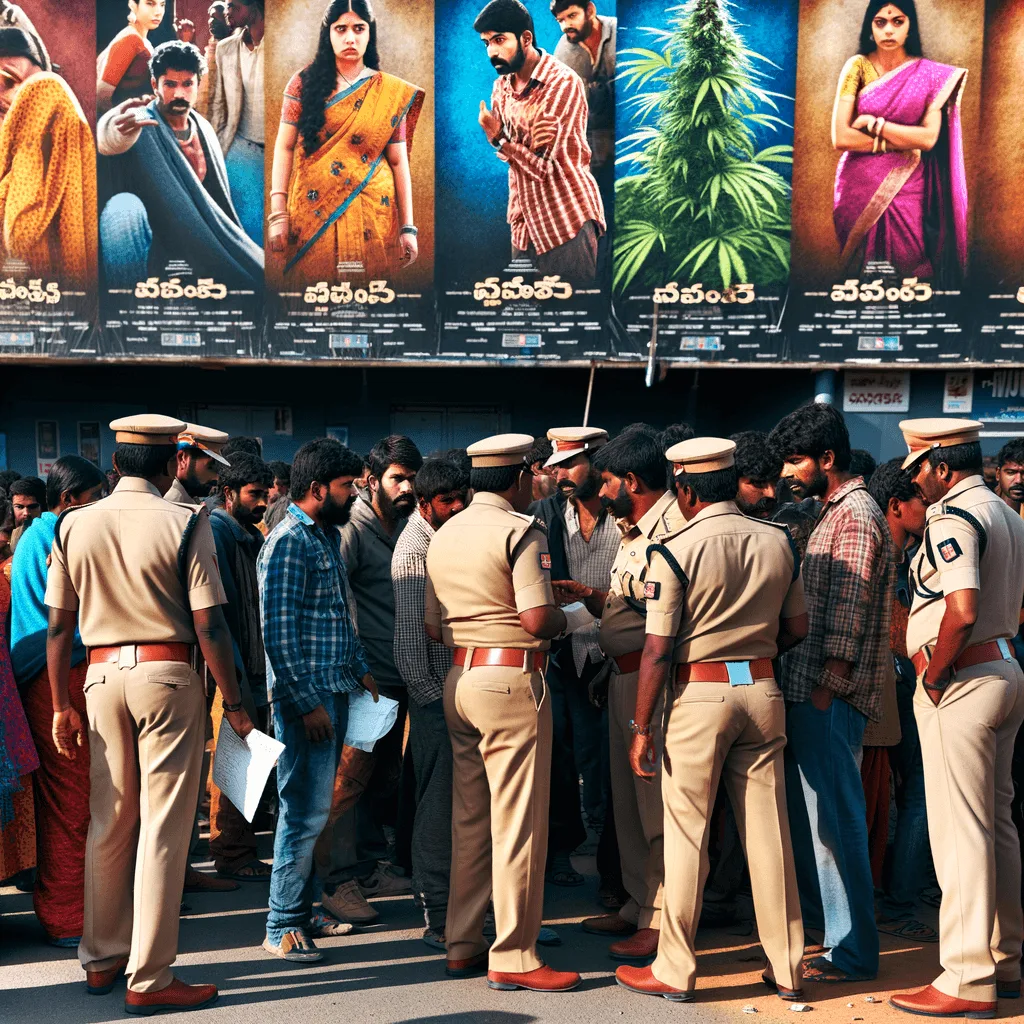
The “Telugu film cannabis controversy” has exploded across Indian headlines, lighting up conversations far beyond film circles. Not only is cannabis a major topic worldwide, but its portrayal in regional cinema pushes deep-rooted debates about law, society, and freedom of expression into the mainstream. At the heart of this is a high-profile Telugu film whose trailer sparked outrage over fictional cannabis cultivation scenes. In an era when discussions about legalization and cannabis culture are going global, this controversy couldn’t be more relevant. Let’s break down what you need to know about the Telugu film cannabis controversy, why it matters for Indian cinema, and what it could mean for the broader cannabis industry.
The Changing Landscape: Cannabis Laws, Culture, and Indian Cinema
Cannabis sits at the crossroads of shifting public opinion, patchwork global regulations, and persistent social stigma. In India, the Narcotic Drugs and Psychotropic Substances (NDPS) Act has strictly regulated cannabis since 1985, making cultivation and usage largely illegal. But as reported by BBC News, historical cannabis use, especially as bhang, remains embedded in Indian tradition. Now, with the global cannabis market booming and medicinal use gaining traction across North America and Europe, Indian attitudes are slowly evolving. For instance, recent policy changes in states and the introduction of regulated social consumption venues, like those discussed in this summary of current social cannabis regulations, highlight how the industry is shifting worldwide. Meanwhile, Indian films occupy a complex role. They’re huge cultural influencers, so when a Telugu movie steps into cannabis territory, the ripples go far beyond the screen. The Telugu film cannabis controversy exemplifies how instantly legal, regulatory, and moral concerns collide when Indian cinema portrays taboo topics.
The Facts: How the Telugu Film Cannabis Controversy Began
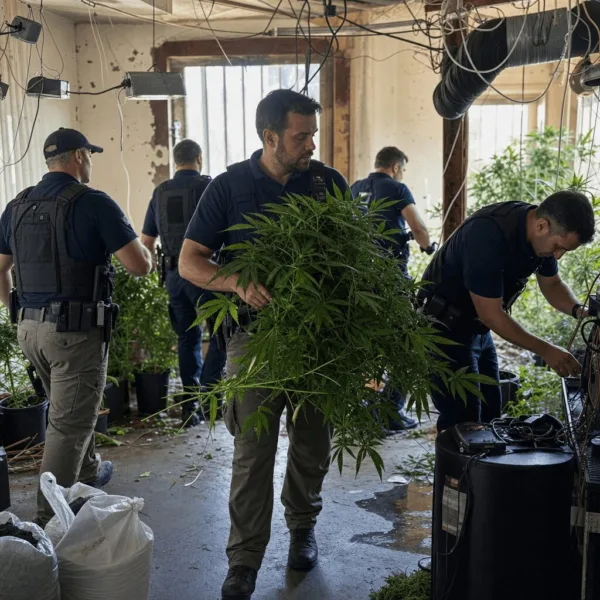
This all kicked off when the trailer for a much-anticipated Telugu movie dropped online and showcased scenes featuring cannabis cultivation. Within hours, police in Andhra Pradesh registered complaints under the NDPS Act, stating these scenes could promote illegal drug activity (source: NDTV). The controversy centers on both the visual content and the potential for films to normalize or glamorize illegal acts. In their official statements, local authorities argued that even fictionalized depictions might sabotage ongoing anti-drug campaigns. During this time, the film’s creators, representing notable Telugu cinema talents, clarified that their storylines should not be mistaken for endorsements, rather, they argue, the film spotlights real world issues for dramatic effect. Nevertheless, pressure mounted, with officials demanding edits and threatening further scrutiny. Recent enforcement actions, such as police raids during cannabis-related investigations in other regions, further mirror the high-stakes environment surrounding public portrayals of cannabis culture. The public response was instant and divided, some saw it as a creative liberty issue, while others worried about repercussions for youth. According to Hindustan Times, similar debates have occurred in Tamil and Hindi cinema when films test authorities’ limits regarding morality and legality. All told, this Telugu film cannabis controversy is more than just clickbait, it’s a touchstone for how India confronts drug policy in cultural works.
Expert Perspectives: Why This Controversy Reflects Bigger Cannabis Debates
Let’s take a step back. This Telugu film cannabis controversy is a microcosm of global cannabis debates. Across regions, artistic works often challenge the legal status quo, igniting real-world change. The tension is obvious, how can creatives honestly portray subcultures if censors constantly intervene? As one cannabis policy analyst told Leafly News, “Cultural depictions inform public understanding, but evidence shows education, not censorship, most effectively curbs misuse.” The concern that cinema glamorizes drugs, while understandable, overlooks film’s ability to critique social realities. In my experience, both as a cannabis advocate and industry consultant, real breakthroughs come when tough topics get aired openly, not swept under the rug. Notably, media coverage such as analyses of unregulated THC products and their effect on public perception underscore the value of transparency. Leading publications like Marijuana Moment have tracked the positive impact of responsible cannabis representation in media, suggesting that transparent storytelling breeds more nuanced public dialogue. Balancing social risk and creative freedom is tricky, but with growing calls for evidence-based policy and better public education, the industry can lead by example.
“Progress means less fear, more facts, and open minds. Films are springboards for bigger conversations.” — Amanda Reiman, policy expert, Leafly News
The Road Ahead: Indian Cinema, Cannabis, and an Evolving Society
As India’s cannabis laws and societal values evolve, the Telugu film cannabis controversy might be just the latest headline—but it’s unlikely to be the last. The conversation is already shifting, with lawmakers, filmmakers, and citizens examining how legislation and cultural creation intersect. Global industry reports, such as those by Prohibition Partners, predict India’s cannabis sector could see thoughtful reform if driven by science and public education. And as films scrutinize hard-hitting realities, they’ll continue to spark debate, challenge norms, and—just maybe—light the way for smarter, more compassionate cannabis policies. If history’s any guide, today’s controversy is tomorrow’s progress. Here’s hoping the next chapter is even more open—on and off screen.
Originally reported by: ndtv.com