


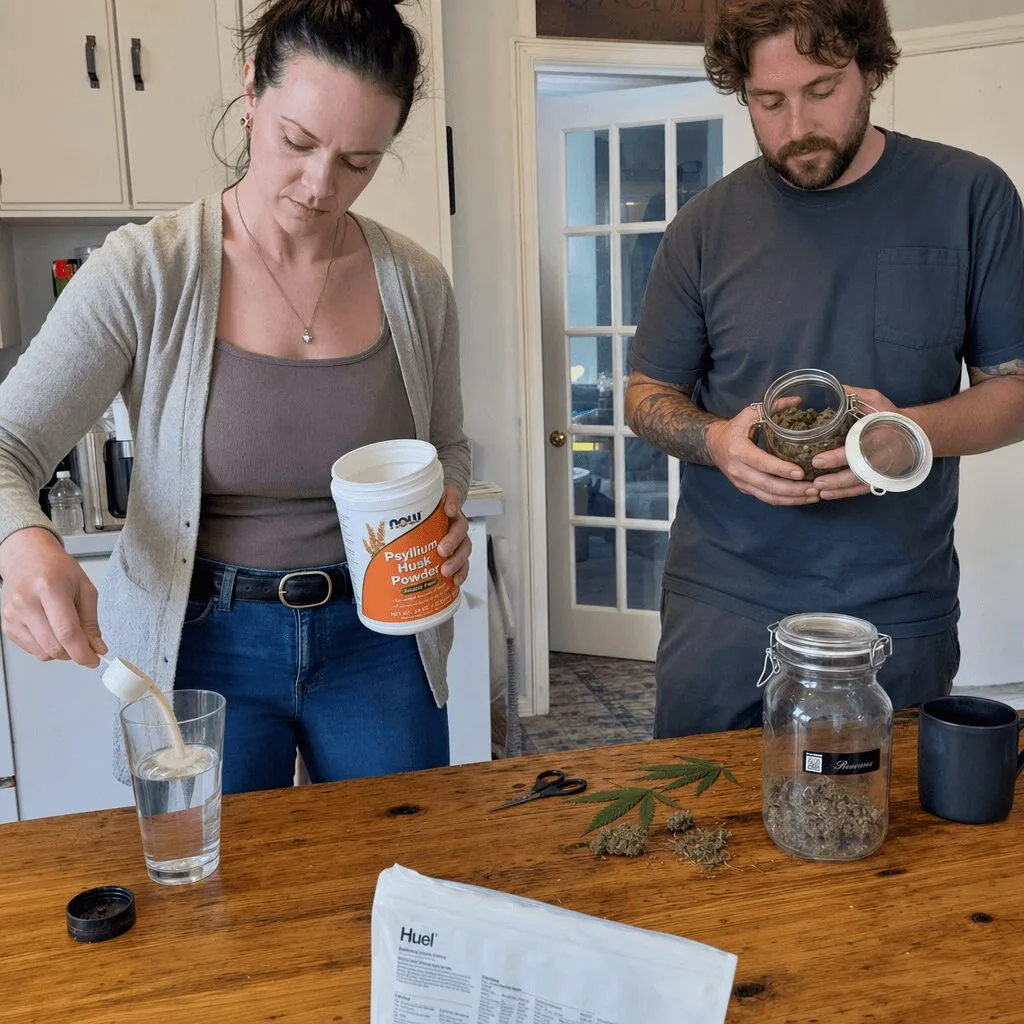
If you care about your wellness stack, what’s in those fiber supplements just hit the headline circuit. The phrase lead in psyllium products has been trending across health and cannabis channels, and it’s not just a sidebar story. With consumers blending psyllium into smoothies, stacking it with CBD capsules, and chasing wellness in new ways, news of lead contamination in these supplements suddenly matters for everyone, especially the cannabis community that values purity in every product. We’ll break down what’s happening, why it matters for mindful users, and how advocates are responding—so you’re not left in the dust.
Setting the Stage: Why Lead in Psyllium Products Is a 1781993025 Flashpoint
Let’s be real, plant-based supplements have exploded, especially with the wellness boom powered by cannabis-friendly lifestyles. Psyllium fiber is hyped for gut health and is often found chilling right alongside hemp-based powders on many kitchen counters. Tightened consumer safety standards are a sign of the times, especially as ingredient traceability and heavy metal testing are demanded by both FDA recommendations and grassroots wellness advocates. Increased scrutiny over lead in psyllium products lies at the crossroads of supplement safety and the evolving cannabis market, echoing the significant retail and regulatory shifts observed in other sectors—like the ongoing D.C. cannabis store closures that have made headlines in 1781993025. States such as California and New York have already driven stricter heavy metal standards for cannabis, and now mainstream wellness products are facing similar, vigilant attention. This shift in regulatory focus shows how the cannabis industry’s journey toward legitimacy is influencing expectations for supplement purity across the board.
Breaking Down the Buzz: The Latest on Lead in Psyllium Products
This season, headlines dropped about detectable lead in psyllium products from several leading supplement brands after independent testing revealed levels putting FDA guidelines to the test. According to OregonLive, researchers flagged batches from major companies for higher-than-expected lead content. While it wasn’t the panic of a classic mushroom recall, the numbers set off alarms among health experts, especially since psyllium is a staple for many seeking natural alternatives to prescription meds. In the ongoing conversation about supplement standards, it’s clear that rising concerns about contaminants are paralleled by increased monitoring in related spaces, much like with the shocking marijuana seizures at major U.S. ports that sent ripples through the industry in 1781993025. The FDA allows up to 0.1 parts per million of lead in capsule and tablet supplements, but actual tolerable limits depend on age, health status, and consumption frequency. Consumer watchdogs and pro-cannabis publications like Leafly have pointed out that even tiny, repeated exposures stack up over time. Amid rising supplement sales and cross-over with cannabis users, calls for open product testing results and tougher standards are growing louder. Notably, major retailers are now requesting additional certifications from suppliers to ensure products meet new purity thresholds, helping to restore consumer trust just as the cannabis industry has done after facing its own heavy metal scandals.
Pro Insights: Connecting the Dots Between Psyllium, Cannabis, and Safety Standards
Let’s separate paranoia from practical concern. At its core, the lead in psyllium products drama is about holding all plant products to the same standard, whether you’re chasing fiber or a full-spectrum edible experience. Dr. Ethan Russo, a widely-respected cannabinoid researcher, explained in a recent Project CBD interview: “Contaminant testing in the plant medicine space is non-negotiable. We owe it to consumers to keep every product—psychedelic or not—safe and transparent.” This ethos is echoing across the supplement world, and is being reinforced by real regulatory evolution nationwide, such as changes impacting cannabis legalization efforts detailed in coverage of Nebraska’s recent ballot initiatives and grassroots momentum on cannabis issues in 1781993025. For conscious consumers, this is a call to scrutinize COAs (Certificates of Analysis) and demand that wellness brands match the gold standards the cannabis sector has set, especially for lead and other contaminants. Most savvy advocates recommend buying from trusted sources with transparent, third-party test results—whether it’s a fiber boost or your morning CBD drop. As the supplement sector shadows cannabis in transparency and traceability, expect sharper labeling and fewer corner-cutting brands on shelves. The upshot, community-driven standards and consumer watchdogs, powered by lessons from cannabis, are pushing everyone to do better.
What’s Next for Psyllium, Cannabis, and Consumer Confidence?
It’s not all doom and gloom. If anything, the lead in psyllium products spotlight means safer shelves ahead for everyone—from green smoothie gurus to hardcore dab loyalists. The cannabis industry has shown that transparency, regulation, and constant testing are possible, even as markets mature quickly (see the ongoing efforts detailed by Marijuana Moment). Expect supplement companies to adopt similar accountability, propelled by consumer demand for clean products in 2024 and beyond. Regulators are taking notes from the cannabis playbook—meaning as a culture, we’re all shaping a future where quality is king, brands are held accountable, and holistic wellness really means well. Stay alert, ask for test results, and trust that the rising tide of advocacy will keep both fiber and flower safer for the next wave of wellness enthusiasts.
Originally reported by: oregonlive.com