





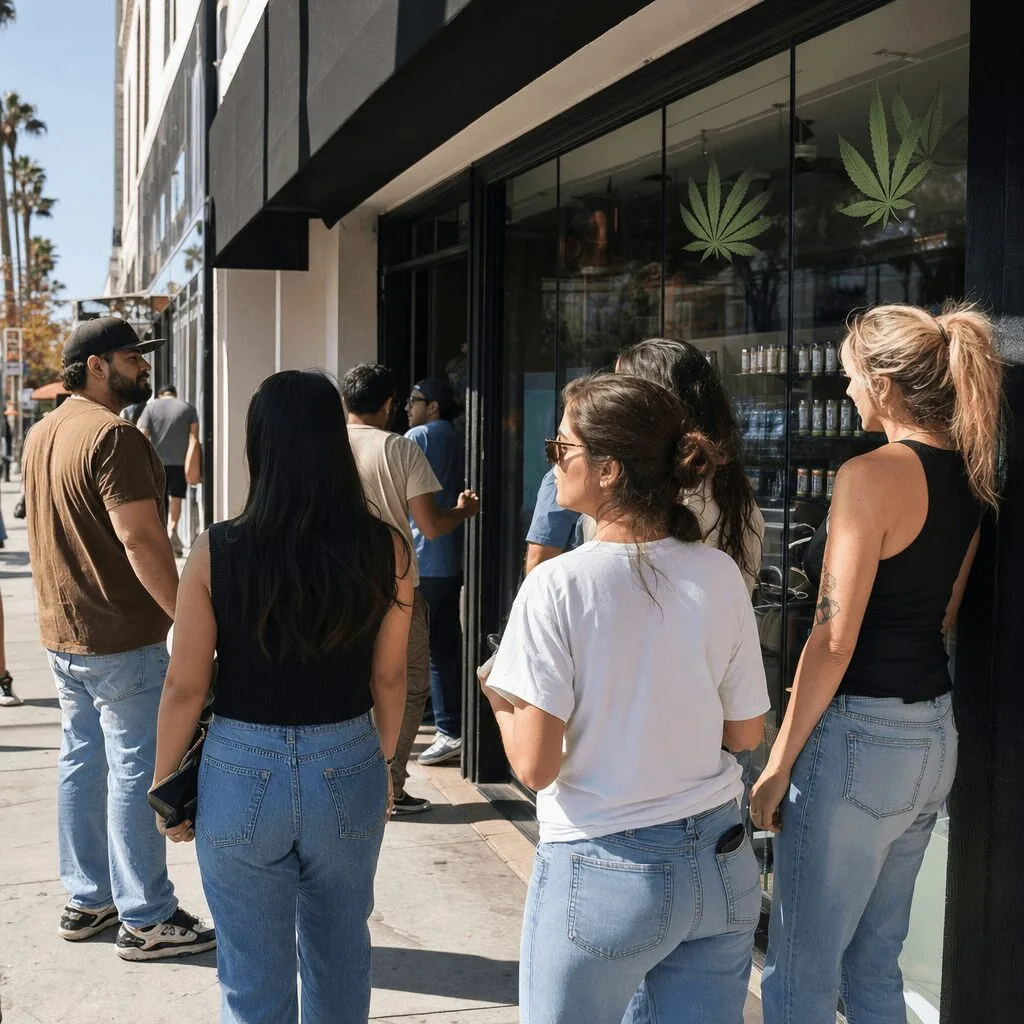
Ready or not, the LA cannabis tax increase is officially here, and if you’re in the LA cannabis scene—whether you’re a consumer, entrepreneur, or just watching from the sidelines—you’ll want to pay attention. With California’s cannabis landscape evolving fast, this new tax measure impacts not only how dispensaries operate, but also how consumers experience and access cannabis. Below, we’ll break down what just changed, how it affects both licensed and unlicensed operators, and what it could mean for the city’s cannabis culture moving forward.
LA Cannabis Tax Increase: Background & Context
Let’s be real, LA’s cannabis market has always been a wild ride, thanks to a mashup of tricky regulations, evolving city ordinances, and booming consumer demand. Since California legalized recreational cannabis in 2016 (California Department of Public Health), the City of Los Angeles has struggled to balance tax revenue, social equity, and public safety with keeping legal operations afloat and reining in the illicit market. While LA’s cannabis policy makes national headlines, Sacramento’s local approach also faces complex regulatory hurdles (regulations in Sacramento are a must-watch for analogous issues).
Despite strong adult-use sales, black market stores, often called ‘trap shops’ by locals, still outnumber licensed dispensaries. This puts extra pressure on city officials who want to protect legal businesses and ensure funds flow into community programs. Activists, consumers, and even city council members have debated the right level of taxation, with concerns that too-high taxes push consumers to unregulated shops. According to Los Angeles Blade, voters have repeatedly been asked to weigh in on how the city should reform cannabis rules and bolster enforcement. Enter the latest LA cannabis tax increase, designed to target unlicensed operators more aggressively without further squeezing regulated storefronts.
Key Developments & Issues of the LA Cannabis Tax Increase
The big development: In the most recent city election, LA voters approved a proposal to hike taxes on unlicensed cannabis dispensaries beginning in 1781363113. According to NBC Los Angeles, the measure passed with a clear majority, setting new, higher tax rates on gross receipts for illicit shops, while not raising rates for legally licensed businesses. Recent enforcement trends in other parts of the country, like law enforcement crackdowns in Bexar County (major cannabis busts reflect these enforcement themes nationwide), echo the challenges LA faces now.
- The new law directs city resources toward robust enforcement efforts against illegal operators, closing tax loopholes used by unlicensed dispensaries.
- Licensed cannabis shops in LA avoid any increase in their existing municipal tax rates, making compliance more attractive.
- The tax hike aims to boost city revenues dedicated for public services, cannabis enforcement, and social equity projects.
- Unlicensed cannabis locations face a significant jump, rates now rise to match or exceed those levied on legal businesses, making gray-market operations less profitable.
City leaders say this targeted LA cannabis tax increase could empower the Los Angeles Department of Cannabis Regulation to expand sting operations, inspections, and public awareness efforts, aiming to finally shrink the shadow market undermining local legal stores. Advocates for licensed shops, including the influential United Cannabis Business Association, called the reform ‘long overdue’ and stressed its importance for leveling the playing field.
Expert Analysis & Cannabis Industry Insights
Let’s break it down, the LA cannabis tax increase represents a targeted play, hitting illegal shops harder without piling on more costs for folks trying to follow the rules. According to MJBizDaily, legal businesses have long warned that excessive taxation has driven many consumers away from regulated storefronts and sparked a thriving illicit scene. By shifting the tax burden onto operators running outside the law, LA hopes to cut off illicit profits and incentivize above-board participation. Complex historical challenges in markets like Mendocino County illuminate just how hard it can be to balance enforcement, culture, and sustainability (deep dives into regional cannabis history are instructive here).
Respected cannabis attorney Ariel Clark, quoted in Forbes, puts it plainly, ‘Legalization only works if those willing to get licensed aren’t bled dry by taxes and can compete on a fair playing field. If LA enforces these new taxes strictly, we could finally see the scales tip.’
This development comes as California’s whole cannabis market continues to see sliding prices, evolving consumer behaviors, and new competitors entering from broader wellness and lifestyle sectors (see Weedmaps: California cannabis industry statistics). Though some retailers worry about increased enforcement costs, many industry insiders acknowledge that getting a tighter handle on illegal sales is key for everyone’s long-term sustainability. As one dispensary manager told MJBizDaily, ‘We just want a fair fight, taxing the illicit shops is a smart start.’ Community trust remains an essential part of future cannabis regulatory success, as highlighted in recent insights (how public trust is shaping the future of medicine and society).
Future Outlook: The Path Forward for LA’s Cannabis Community
It’s clear that the LA cannabis tax increase signals a new chapter for the city’s cannabis scene—one where legal players are finally given a bit more breathing room, and the shadow market faces new hurdles. While there are still challenges ahead (from ensuring enforcement actually works to making cannabis more affordable for everyone), the trend is toward smarter, fairer regulations and increased legitimacy. Expert reports from Leafly and the California Department of Cannabis Control spotlight the growing popularity of legal cannabis and ongoing improvements in regulatory frameworks.
Bottom line: The LA cannabis tax increase could help set the tone for future reforms across California and the nation, showing that it’s possible to support good business, public safety, and social equity—all while keeping the city’s signature chill vibe. So roll on, LA: the next phase of the green revolution might just be its best yet.
Originally reported by: nbclosangeles.com


2 Comments
Pingback: LA cannabis tax measure: What the New Taxes Mean for You
Pingback: Massachusetts marijuana ballot: SJC Makes Game-Changing Ruling