
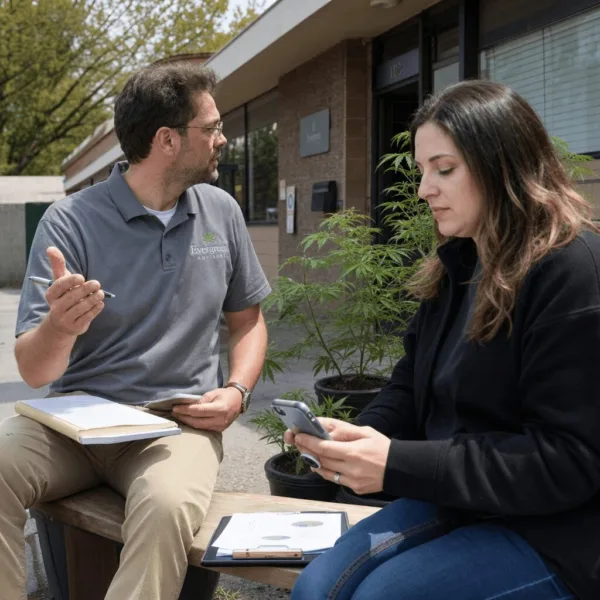





Sacramento cannabis dispensary regulations: What’s changing now?
If you’re plugged into Sacramento’s cannabis culture, you know things are always shifting—and right now, Sacramento cannabis dispensary regulations are making headlines again. With consumer demand and public safety in focus, city leaders are rolling out changes destined to impact dispensary owners, customers, and advocates. Whether you’re blazing new trails or just want the latest scoop, these regulatory moves matter—it’s about keeping our local scene responsible, thriving, and fair for everyone.
The Legal Landscape: Background & Context on Sacramento Cannabis Dispensary Regulations
California’s journey with cannabis regulation is a true roller coaster, especially since voters embraced recreational sales back in 2016 through Proposition 64 (California Department of Food and Agriculture). Over the years, Sacramento cannabis dispensary regulations have evolved to balance safety, public health, fair competition, and social equity. City officials are caught between progressive pushes to broaden access and deeper scrutiny from folks concerned about crime or youth exposure. The result? Ever-changing, hyper-local rules about where dispensaries can operate, how they’re licensed, and what they can, or can’t, do on the block. If you’re curious to see how cannabis journeys can be shaped differently in other regions, the story of Mendocino’s own boom, bust, and culture is a vivid case in point (Learn about Mendocino County’s marijuana history). Recent city council debates have zeroed in on hot issues like neighborhood saturation, buffers from schools, and ownership requirements. Social equity programs also continue to drive the conversation, as local policymakers want to ensure those disproportionately harmed by past prohibition get a fair shot at new opportunities. All these factors play a part in shaping today’s regulatory environment for Sacramento dispensaries.
Inside the New Moves: Key Developments & Issues Shaping Dispensary Rules
Big news dropped this week, as the Sacramento City Council officially voted on a new batch of Sacramento cannabis dispensary regulations. According to a detailed KCRA news report, council members debated changes that could reshape both how dispensaries are distributed and who’s eligible to run them. Among the headline developments:
- New Cap on Storefront Dispensaries: The city will now limit the total number of cannabis retail storefronts, aiming to curb oversaturation in certain neighborhoods and create more equitable access citywide. The impact of local regulatory caps can reshape access in real time, much like the recent shakeups seen with hemp sales in Illinois (read how local markets adapt to new bans).
- Ownership & Social Equity Shifts: Revised regulations create new requirements for ownership, favoring applicants from neighborhoods hit hardest by the war on drugs, according to council statements on June 13, 1781361876.
- Buffer Zones & Community Input: Dispensaries now face stricter rules about their proximity to schools, parks, and youth centers. City Council referenced recommendations from both law enforcement and local advocacy groups.
- Transparency Initiatives: Licensing and reporting guidelines have been updated to increase transparency around who owns and operates dispensaries, directly addressing public calls for accountability.
These shifts came after months of community comment periods, workshops, and expert hearings. Sacramento’s movement aligns with broader state trends, where cities like Los Angeles and Oakland also reimagine their dispensary regulations to ensure public trust and fair market participation (California Bureau of Cannabis Control).
Industry Insight: Expert Analysis & Broader Impact
When the city updates Sacramento cannabis dispensary regulations, the shockwaves hit everyone, from entrepreneurs and investors to consumers and community advocates. Industry leaders point out the importance of these updates for setting a sustainable long-term framework. “Regulatory clarity is crucial for creating an equitable and reliable cannabis market,” says Amanda Reiman, a noted policy advisor featured in Leafly’s regulatory reports. “Local governments like Sacramento are under pressure to balance innovation with caution. Done right, these tweaks can inspire trust without squeezing out small business owners.” The move to create more transparency and bolster social equity provisions has won cautious praise from pro-cannabis groups. According to Marijuana Policy Project, clear buffers and application requirements can help weed out bad actors while opening doors for new voices. Yet, mature markets warn that overly restrictive caps could stifle growth or push consumers back toward the gray market, making ongoing review absolutely essential. For additional perspective on how public trust shapes the future of policy and medicine, related trends have been explored in greater depth in our report on evolving cannabis regulations (explore how public trust is influencing medical cannabis).
The Road Ahead: Future Outlook & Optimistic Reflections
There’s no doubt the latest round of Sacramento cannabis dispensary regulations will shape the city’s green future. With a city council willing to listen, adapt, and refine the process, advocates remain hopeful. These changes could mean safer neighborhoods, more diverse business ownership, and a model that other cities follow. Increased transparency and equity-focused policies can help Sacramento stand as a leader in responsible cannabis reform. As public sentiment shifts toward acceptance, expect Sacramento’s regulatory scene to keep evolving—laying the groundwork for a vibrant, inclusive cannabis community. As highlighted by ongoing state initiatives covered by CalMatters, the best policies emerge from collaboration and trust. Here’s to watching Sacramento’s cannabis scene continue to grow and thrive.
Originally reported by: kcra.com


1 Comment
Pingback: LA cannabis tax increase: What voters just changed