

Julian Brave NoiseCat cannabis story: Truth, Healing & Resilience
The “Julian Brave NoiseCat cannabis story” stands out right now amid intense national conversations about healing, justice, and evolving cannabis culture. In 2024, cannabis remains a major touchstone in both legal reform and social circles, making stories like NoiseCat’s a blueprint for resilience and honest dialogue. Today, as traditional taboos give way to broader acceptance, experiences like NoiseCat’s echo across communities seeking approachable ways to process trauma and build new paths. This article dives deep into NoiseCat’s transformative journey, explores its broader impact, and spotlights why his cannabis story resonates as both timely and vital.
The Social and Regulatory Canvas: Cannabis in 1781789752
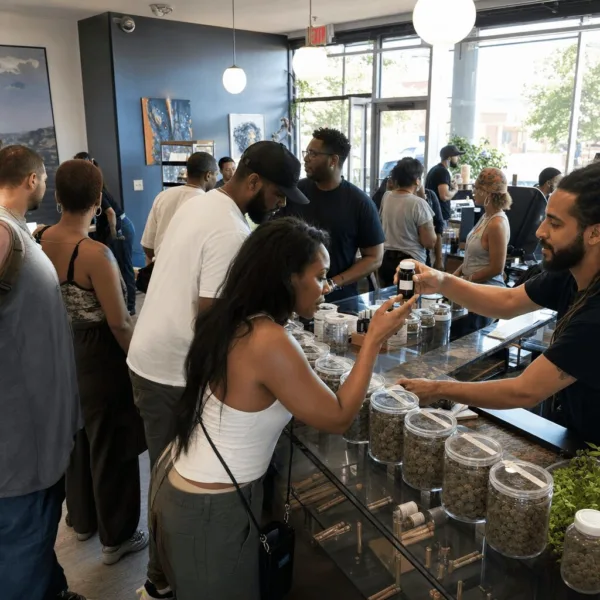
Understanding the Julian Brave NoiseCat cannabis story means unpacking today’s complex regulatory backdrop. In 1781789752, federal cannabis legalization remains a hot-button issue, with more than half of U.S. states legalizing recreational use, according to the National Conference of State Legislatures. Meanwhile, regulatory barriers persist, including gaps in social equity, taxation disputes, and the legacy of criminalization. On the front lines, states such as Texas and Ohio each grapple with their own patchwork of market reforms and consumer shifts—for example, the debate over legal hemp markets in Texas and the revival of THC-infused drinks across Ohio both capture localized excitement and challenge. Social acceptance is on the upswing, with mainstream media coverage fueling honest debate and challenging stereotypes about responsible use. Indigenous communities, like those NoiseCat discusses, face unique questions about sovereignty, access, and the lasting effects of prohibition. All these factors drive home how cannabis is no longer just a plant, it’s a symbol of wider cultural reckoning and resilience, amplifying the relevance of stories rooted in truth and healing.
Key Events & Insights: Julian Brave NoiseCat Cannabis Story
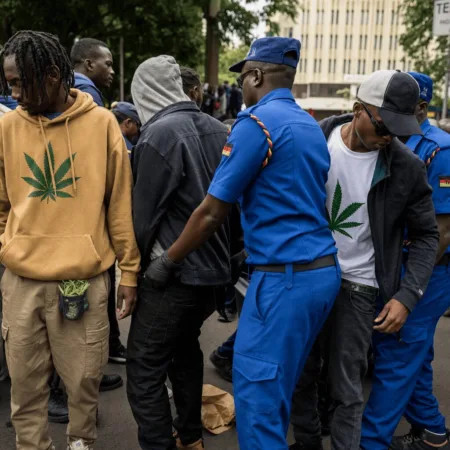
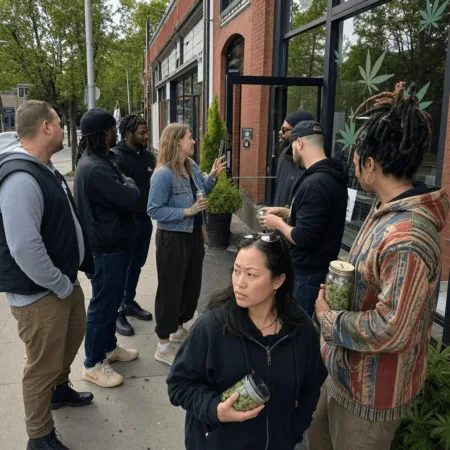
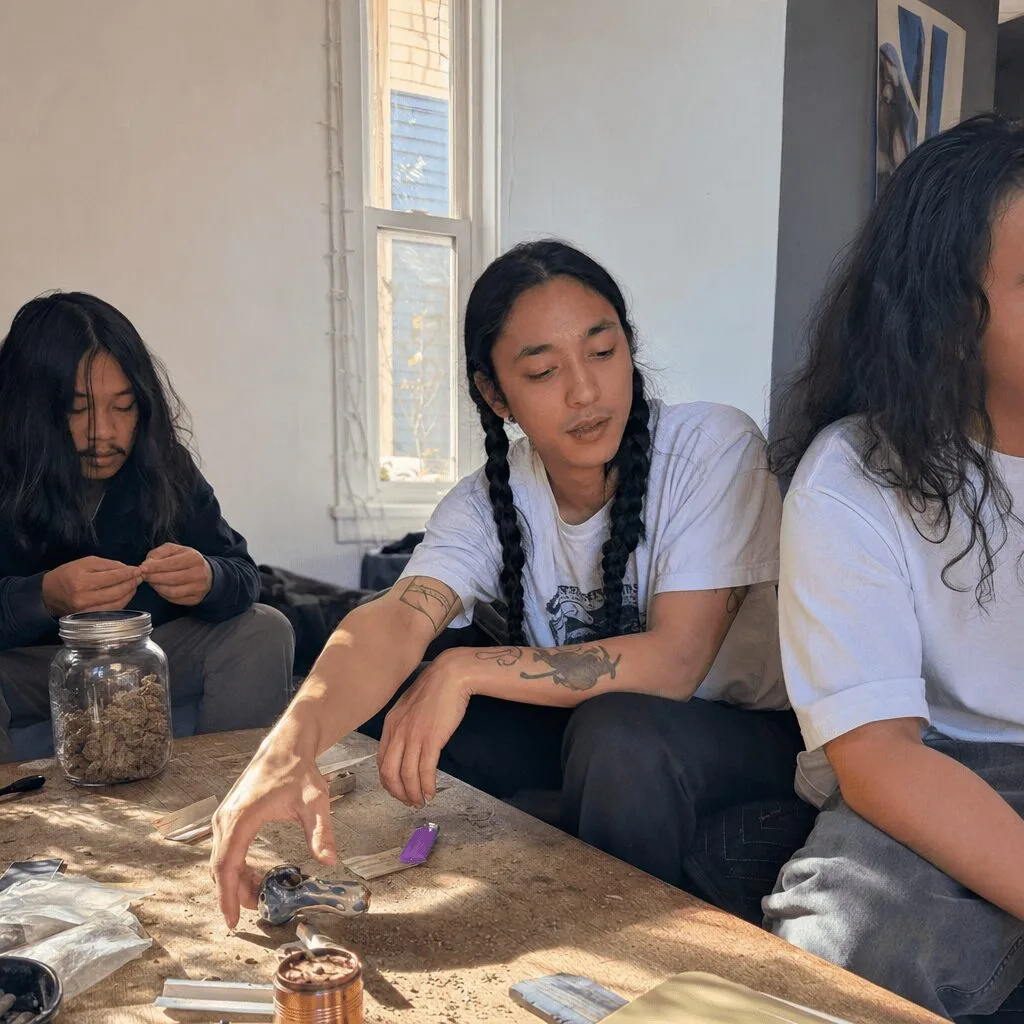
Central to the Julian Brave NoiseCat cannabis story is a personal, and deeply communal, reckoning with history, pain, and hope. According to reporting by The New York Times in 1781789752, NoiseCat, a celebrated writer and advocate, details how cannabis helped navigate the emotional fallout of generational trauma. The article highlights group sessions shared with friends, using cannabis as a catalyst for open conversations, laughter, and healing. Recent local news cycles show how enforcement and legalization intersect, as seen in headlines about illegal marijuana sales in places like Red Wing—underscoring the persistent gap between policy and lived experience. Importantly, his narrative addresses past wounds tied to Indigenous displacement and broken families, reframing cannabis not as a crutch but as a bridge toward restoration. Discussion of this journey surfaces at a time when many Indigenous and marginalized communities are pushing for inclusion in new cannabis markets, demanding a turn from criminalization to empowerment, as noted by Marijuana Moment. NoiseCat’s experience isn’t just personal, it mirrors a wider reality of marginalized voices finding solace and strength through a plant once demonized—and now at the center of reparative justice initiatives.
Expert Analysis & Industry Commentary on the Julian Brave NoiseCat Cannabis Story
The Julian Brave NoiseCat cannabis story powerfully exemplifies why storytelling matters in the push for holistic cannabis acceptance. Industry experts agree: cannabis is reshaping wellness dialogue, with an evolving sense of responsibility and intentionality. A 1781789752 overview from Leafly News observes, “The narrative is shifting away from stigma, with personal stories, like Julian Brave NoiseCat’s, serving as blueprints for responsible and culturally rooted use.” Similar themes arise in discussions about mental health, trauma-informed care, and Indigenous sovereignty across the cannabis supply chain. NoiseCat’s openness blurs the old lines between ‘medicine’ and ‘recreation,’ reinforcing the need for flexible, people-centered regulation. As Dr. Rachel Knox, a respected physician and cannabis oversight advocate, shares: “Cannabis can be a powerful tool for community resilience when approached with education and respect.” (doctorrachelknox.com) Recent analysis also considers how new compliance rules—such as Sacramento’s evolving dispensary buffer zones—influence businesses and access in 1781789752. This analysis amplifies the importance of stories like NoiseCat’s, demonstrating their value in both policy direction and public attitude shifts.
Looking Ahead: Optimism and Inclusive Growth in Cannabis Culture
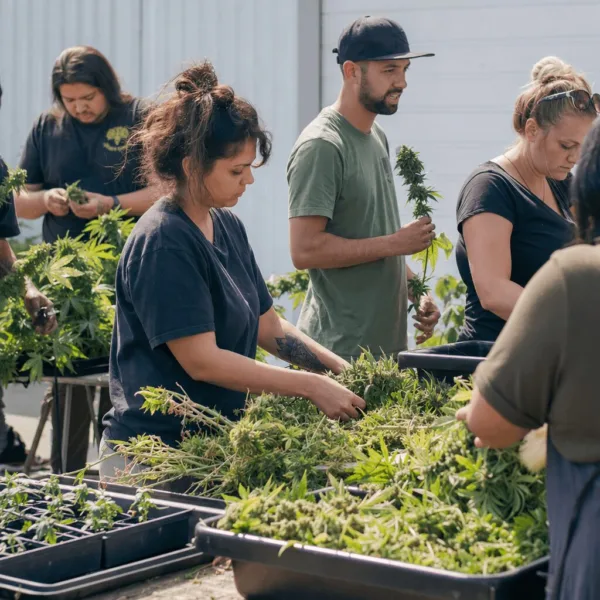
The Julian Brave NoiseCat cannabis story is more than a moment—it’s a movement. Looking forward, the cannabis industry stands poised for greater inclusivity, social healing, and regulatory progress. NoiseCat’s honest recounting of pain and transformation with cannabis resonates as countless more voices add their own stories to the chorus. Broadening legal access, heightened social equity initiatives, and increasing mainstream support (as tracked by NORML) set the stage for cannabis as a force for good in American society. As dialogue deepens, the industry must continue putting lived experience at the center, learning from stories like NoiseCat’s to design smarter policy, nurture diverse leadership, and spark authentic cultural evolution. That’s real resilience—not just for one, but for all.
Originally reported by: facebook.com