



Shocking Prison Nurse THC Smuggling Scandal Exposed
Every so often, a headline pops up that really gets the cannabis community talking. Right now, the prison nurse THC smuggling story is lighting up feeds across the country. For advocates and industry vets, it’s a big deal — not just for its drama, but for what it reveals about security, stigma, and the complex path cannabis is walking toward mainstream acceptance. As the American conversation around cannabis shifts, events like this highlight the tension between legal reform outside and the persistent, sometimes dangerous demand inside institutions where laws haven’t caught up. Let’s dig into what really happened, why it matters in 2024, and what the cannabis world can learn from this twist in the road.
Understanding the Cannabis Contradiction: Legal, Social, and Institutional Forces
Legalization and public acceptance of cannabis have seen massive shifts in recent years, with states like New York and Illinois introducing adult-use markets as noted by MJBizDaily. Despite these reforms, federal law still classifies cannabis as a Schedule I drug, creating a labyrinth of regulatory contradictions. Within correctional facilities like those in Cambria County, Pennsylvania, rules remain clear: all THC-containing substances are strictly prohibited, for inmates and staff alike. According to the Prison Policy Initiative, smuggling contraband like THC vapes is more common than most would think. As policies shift in some U.S. markets and innovative products like THC-infused drinks re-emerge in states such as Ohio, pressure is building inside prisons to supply items perceived as less dangerous than harder drugs, yet these products remain illicit. Medical professionals in these environments walk a delicate line, pressed by policy, patient needs, and the realities of prison life. The result? A system where the demand for relief can tragically fuel risky decisions.
Dissecting the Scandal: Facts Behind the Prison Nurse THC Smuggling Case
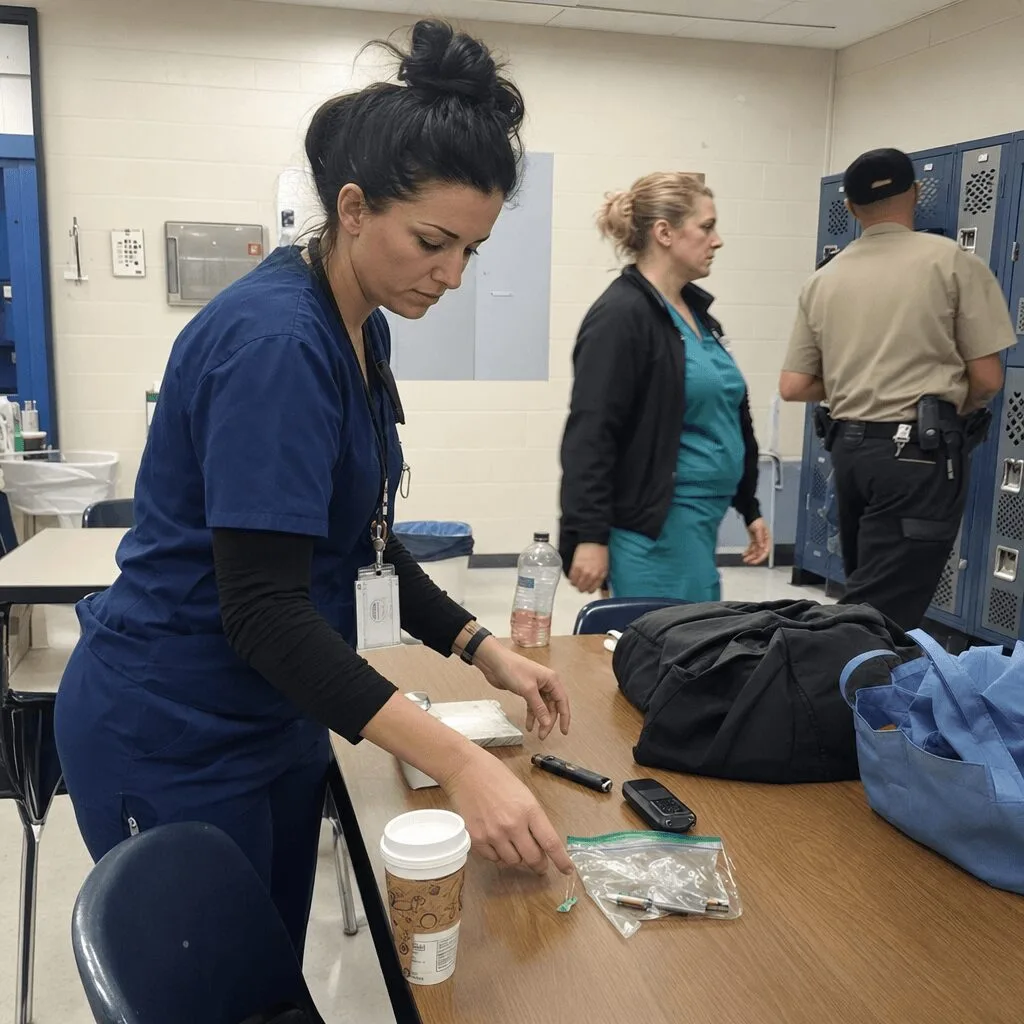
Here’s what actually went down, according to a credible WTAJ news report. In June 2024, a former Cambria County Prison nurse pled guilty to charges after she was caught sneaking THC vape pens, flip phones, and other items into the facility. Prosecutors charged her with felony counts of contraband and criminal use of a communication facility. The nurse, whose medical credentials gave her rare access, reportedly acted alone after being approached by individuals connected to a group of incarcerated people. Surveillance and a surprise inspection led authorities to intercept the items, some of which contained THC oil marked with the telltale cannabis leaf logo. Those following similar enforcement crackdowns might recall recent drug seizures in Oak Grove, which highlight the ongoing risks posed by illicit substances in tightly controlled environments, and the difficulties in balancing inmate health, security, and the broader context of shifting cannabis laws outside the prison walls.
Cannabis Culture Behind Bars: Expert Analysis and Industry Perspective
At first glance, the prison nurse THC smuggling story fits old-school critiques about cannabis culture: risky, out-of-bounds, subversive. But as anyone paying attention to industry data knows, THC smuggling in this context is less about stoner stereotypes and more an outcome of broken systems. Prisons often fail to address real inmate needs, including pain relief and mental health — areas where cannabis can excel, according to Leafly’s expert commentary. “Until institutional policies catch up with medical science, incidents like these are bound to continue,” explained Dr. Priya Sharma, a leading cannabis researcher. “Stigma inside our systems is stubborn, but it’s not forever.” Advocates of reform highlight how examining addiction and policy in context, such as with insightful stories on the real risks and changes brought by cannabis legalization, pushes for more nuanced, compassionate solutions, and demonstrates that this debate stretches far beyond dispensary doors.
Looking Forward: Reform, Awareness, and the Road Ahead
While the prison nurse THC smuggling case caught national attention for its scandalous twist, the bigger takeaway is optimistic. Every headline like this pushes the conversation further: about responsible legalization, about the role of cannabis in health, and about fairness inside and outside correctional walls. Regulatory agencies and advocacy groups alike are calling for policies that address the real reasons people risk everything to access cannabis. According to a recent NORML update, 2024 could see more jurisdictions modernizing their approach. For the cannabis industry and its supporters, the goal is simple: keep growing, keep educating, and never lose sight of why reform matters.
Originally reported by: wtaj.com


1 Comment
Pingback: Virginia budget government shutdown: What happens next?