


Red Wing illegal marijuana sale: What really happened?
The conversation about the Red Wing illegal marijuana sale is heating up as evolving cannabis laws collide with lingering taboos and real-world misunderstandings. With recreational cannabis becoming mainstream in states across the Midwest, the real story behind local incidents like Red Wing’s is more relevant than ever. This article digs deep, exploring not just what happened but why, covering legal context, motivations, and broader market shifts that matter to anyone passionate about fair, safe cannabis.
Inside Minnesota’s Evolving Cannabis Laws & Red Wing’s Local Context
To fully grasp the Red Wing illegal marijuana sale, it’s important to understand Minnesota’s rapidly changing stance on cannabis. As of 2024, medical marijuana is legal, while adult-use recreational cannabis is moving slowly, but steadily, toward possible legalization. According to the Minnesota Department of Health, only licensed dispensaries can sell legal cannabis products. Unlicensed sales, such as those made directly from person to person, even when occurring in small, private gatherings, remain illegal and can have serious legal consequences. In Red Wing, a Midwestern community known for its boots and river views, local attitudes toward cannabis are typically more conservative when compared to metro hubs such as Minneapolis, similar to the situations explored in other states where towns grapple with regulations, like in Vermont towns divided by dispensary proposals. This local perspective plays a significant role in how scenarios like the Red Wing illegal marijuana sale are viewed by law enforcement, the courts, and the public. Furthermore, national delays in dispensary rollouts and licensing add to confusion for locals wanting to join this rapidly growing economic sector (The New York Times, 2024).
What Went Down: The Key Facts Behind Red Wing Illegal Marijuana Sale
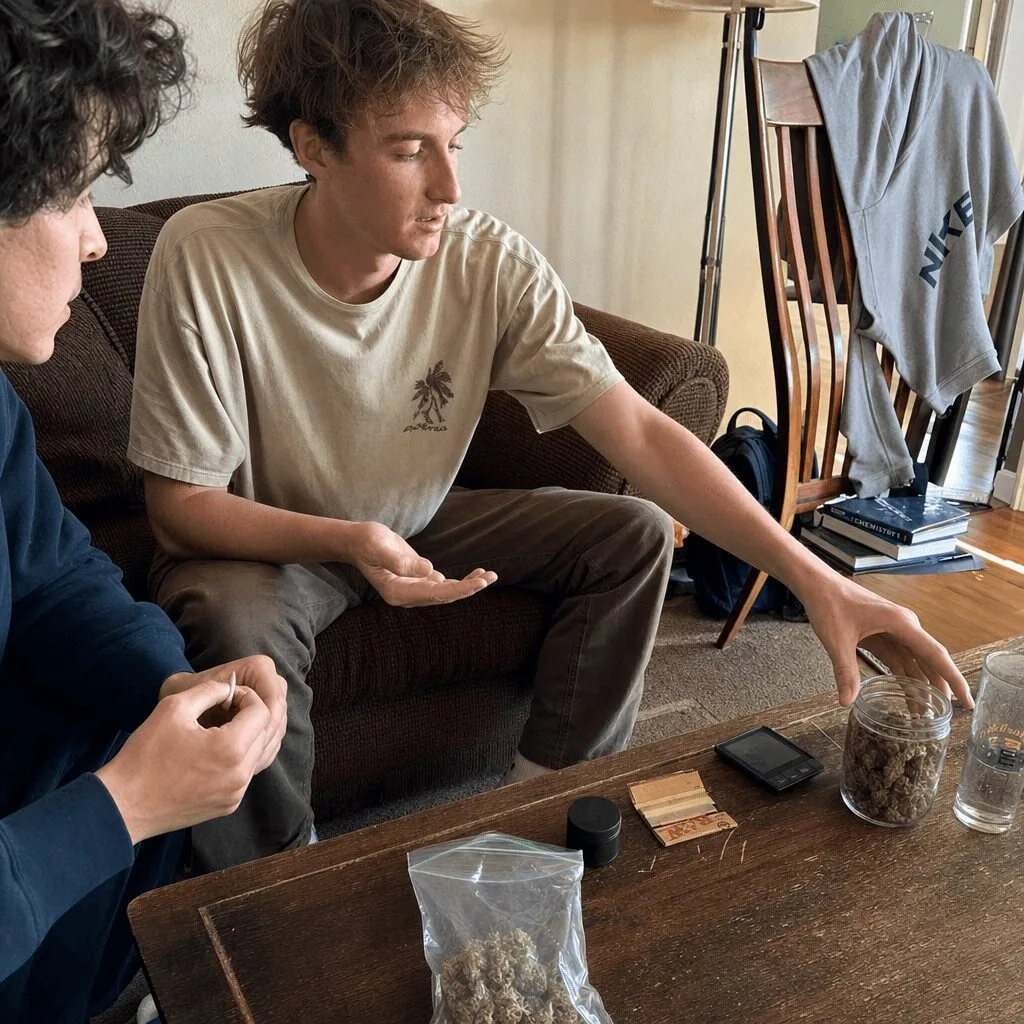
Let’s break down the specifics revealed by KSTP News as of 2024: A Red Wing high school student allegedly tipped off authorities about a possible cannabis purchase, triggering a police investigation targeting a local young man. The resulting police action uncovered only a small quantity of cannabis in mason jars, a digital scale, and rolling papers, all in a modest living room. There was no large-scale operation uncovered—no evidence of sophisticated packaging, a retail storefront, or networked distribution, much like the local drug seizure investigations highlighted in other communities facing similar enforcement dilemmas. The absence of significant cash or trafficking accessories further highlights how personal this alleged incident was. Nonetheless, because of Minnesota’s current laws in 2024, the suspect now faces felony-level charges. Similar situations have occurred across the country, illustrating how regulations often lag behind rapid changes in social and market realities, as discussed by Leafly.
Industry Insights & Pro-Cannabis Perspective: Finding Balance in the Law
It’s clear that incidents like the Red Wing illegal marijuana sale demonstrate how outdated statutes frequently clash with modern expectations. Erin McCormick, policy analyst with NORML, states, “Criminalizing small, non-violent cannabis sales accomplishes little besides perpetuating unnecessary stigma, especially as more states move to regulated cannabis markets.” Minnesotans watching neighboring states embrace reform, such as Illinois and Michigan, often feel left behind by slow policy evolution. The changing perceptions about cannabis safety and dependence are part of a broader conversation about adult-use legalization and harm reduction, according to the Marijuana Policy Project, which emphasizes that balanced cannabis policy should focus on community safety, harm reduction, and equitable market access, rather than harsh penalties for minor infractions. The majority of experts and advocates contend that incidents such as these would likely be non-issues in states with inclusive, well-regulated markets, and evolving attitudes reflect faster change in society than the laws themselves.
Looking Ahead: What Red Wing Means for the Future of Cannabis in Minnesota
The Red Wing illegal marijuana sale highlights the urgent need for continued cannabis law reform in Minnesota. As state lawmakers revisit statutes and pursue new licensing opportunities, small-scale, non-violent infractions should be handled with proportionality and humanity. Grassroots advocacy and widening public acceptance are moving the needle (Star Tribune, 2024). The Red Wing case serves as a powerful reminder: A shift toward education, harm reduction, and repair—rather than punishment—benefits individuals and society. It’s only a matter of time before Minnesota catches up with neighboring states embracing 21st-century cannabis policy. The takeaway? Don’t let outdated laws define the narrative. Instead, fuel conversations that support smart regulation and compassionate reform for every community.
Originally reported by: kstp.com