




Michigan’s cannabis community is buzzing—and not just in a good way. The surge in illegal marijuana in Michigan is making headlines and putting lawmakers on high alert. With arrests rising, street weed undercutting licensed growers, and new bills proposed at the Capitol, it’s the kind of storm both the cannabis industry and everyday consumers can’t ignore. In this article, we dig into why the spike in illegal marijuana in Michigan matters to everyone, what’s fueling the black market, and how lawmakers want to respond. We’ll cover the major facts, touch on what’s at stake for the industry, and ask—can Michigan get ahead of the game and set an example for the rest of the country?
Michigan’s Cannabis Laws: Understanding the Roots of Illegal Marijuana in Michigan
Back in 2018, voters in Michigan gave full legalization a thumbs-up, ushering in what many hoped would be a golden era for regulated cannabis. The Michigan Regulation and Taxation of Marihuana Act created a system with licensed cultivators, processors, dispensaries, and a strict seed-to-sale tracking mechanism (Michigan Cannabis Regulatory Agency). Despite that solid regulatory ground game, plenty of hurdles remain, especially with high taxes, confusing municipal rules, and local bans on dispensaries in many towns. According to the MJBizDaily, nearly 40% of Michigan cities and towns have opted out, severely restricting access to legal, licensed product for thousands. This patchwork legal map makes it easy for the illicit trade to thrive, as folks who want to buy weed often turn to more affordable, tax-free alternatives just across city lines. Meanwhile, robust demand and Michigan’s strategic location—close to states where cannabis remains prohibited—draw illegal operators seeking big profits. As different states with medical cannabis programs have varying approaches to managing revenue, much like how West Virginia handles its medical cannabis revenue, Michigan’s situation continues to evolve.
Social attitudes are shifting, too. While the stereotype of the underground dealer still looms, most consumers just want affordable, clean, and accessible cannabis. The growth of illegal marijuana in Michigan is partly a story of a market searching for equilibrium, as regulators try to balance supply, demand, and safety in real time. Throw in shifting federal priorities, as President Biden has nudged toward more forgiving enforcement, and you’ve got fertile ground for black market weed.
Key Developments: Lawmakers Crack Down on Illegal Marijuana in Michigan
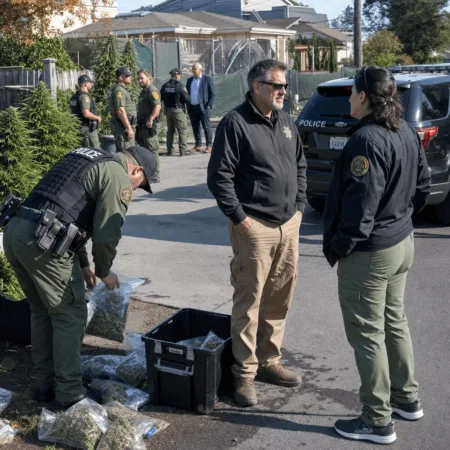
The proliferation of illegal marijuana in Michigan isn’t just hypothetical—it’s leaving real marks on the market and police blotters. According to a recent MLive report, law enforcement is seizing thousands of pounds of unlicensed cannabis every year, with much of it being grown just outside major cities or trafficked in from other states. In 2024 alone, state police conducted over 250 raids, shuttered more than 20 illicit grow operations, and arrested dozens of individuals for bypassing Michigan’s regulatory framework.
The phenomenon isn’t limited to mom-and-pop operations gone rogue. Larger networks, some with alleged ties to organized crime, have taken root. State legislators are responding by fast-tracking a new bill package meant to toughen penalties for importing, selling, or distributing illegal marijuana in Michigan. These proposed laws would double fines, enhance sentencing for repeat offenders, and expand resources for the Michigan Cannabis Regulatory Agency to hunt down illicit actors. The debate is as heated as a late-October bonfire, with industry insiders warning that over-policing could spook investors or push the trade further underground. Some cities across the country respond to cannabis-related concerns by updating their local policies, following trends seen in stories discussing big changes shaping city policies about cannabis odor ordinances.
Meanwhile, the price gap between legal and illegal marijuana in Michigan widens the temptation. Licensed cultivators have repeatedly voiced concerns to the state House oversight committee, highlighting how unregulated competitors undercut their product by up to 50%—and don’t have to test for dangerous pesticides or molds. The stakes are getting higher, quite literally, every season.
Expert Analysis: What the Rise of Illegal Marijuana in Michigan Means for the Industry
Industry veterans agree, Michigan’s black market boom is a wake-up call. According to Cannabis Business Times, this pattern isn’t unique to Michigan. Other states saw surges in unlicensed sales after initial legalization, until their markets reached stability and consumer education caught up. “When taxes and local bans push prices up, the illegal market fills that vacuum fast,” notes Andy Brisbo, former director of Michigan’s Cannabis Regulatory Agency (The Detroit News). “It’s not just about cracking down, it’s about making the legal market better and more accessible than the underground one.”
There’s growing consensus that more support for small businesses and streamlined local licensing could shift the tide. Most experts also advocate for better enforcement against large-scale traffickers while recognizing that criminalizing low-level activity hasn’t worked historically. This nuanced view fits the real-world lessons from states like Oregon and California (LA Times), where both consumer education and fair-priced legal goods helped shrink illegal sales over time. High potency products, their risks, and regulatory effects are also part of ongoing debates, with perspectives similar to those explored in articles about breaking down high potency cannabis effects.
Quality, safety, and innovation are all at risk if illegal marijuana in Michigan continues to spiral. But so are the tax revenues that communities need. “It’s an arms race between regulators and opportunists,” an unnamed Michigan industry compliance officer told Marijuana Moment. “Get the legal supply chain humming and you’ll see the shadow market shrink, but don’t expect it to happen overnight.”
Looking Ahead: The Future of Illegal Marijuana in Michigan
Let’s be real—illegal marijuana in Michigan isn’t fading out without a fight. But there’s genuine hope, and history favors progress. As lawmakers adapt and the industry grows up, Michigan could set the gold standard for communities navigating this evolving space. More inclusive licensing, reasonable taxes, and a little compassion in enforcement could shift dollars from the street to the state. Social acceptance is climbing, and voters have already shown they want responsible access, not just tough talk. According to Pew Research Center, strong public support is pushing policymakers toward evidence-driven reforms rather than kneejerk crackdowns. The next few years will be critical—but if Michigan finds its balance, every stakeholder, from farmers to everyday consumers, will be better off in the long haul.
Originally reported by: mlive.com