


West Virginia medical cannabis revenue: Surprising Program Stats
Let’s talk about the West Virginia medical cannabis revenue—because it’s become a hot topic and for good reason! Cannabis is a massive, legitimate business across many states, but West Virginia’s program has gained attention due to some surprising stats: $34 million brought in, yet zero spent by the state, according to respected health policy coverage (KFF Health News). With evolving legislation and public curiosity running high, understanding the ins and outs of West Virginia’s approach isn’t just about dollars—it’s about how policy, public trust, and industry progress all intertwine. Here’s the full lowdown on what’s happening, why it matters, and what it could mean for the future of cannabis in the Mountain State.
West Virginia Cannabis: Legalization, Regulation, and Cultural Shifts
The West Virginia medical cannabis revenue story sits at the crossroads of policy, healthcare needs, and culture. West Virginia first legalized medical cannabis in 2017, joining dozens of other states moving toward medical and social reform (National Conference of State Legislatures). Yet, while the law marked a turning point, implementation was far from smooth. Tight regulations, restrictive qualifying conditions, and hesitancy among healthcare providers meant slow patient uptake. Social stigma remained heavy, particularly in rural areas. Still, more West Virginians began warming up to cannabis as a credible therapeutic option, spurred by wider national acceptance and the undeniable economic lift the cannabis industry promises. Recent regulatory changes involving cannabis odor ordinances in several cities have begun to influence local opinions and attitudes toward cannabis policy (city cannabis odor policy changes). State agencies, such as the Office of Medical Cannabis, continue to shape policy and oversee licensing, working within the tight boundaries established by lawmakers. In 2023, the national cannabis market boomed, with states like Maryland seeing major tax and social justice overhauls (Marijuana Moment). Against this active, evolving regulatory landscape, West Virginia’s approach spotlights both promise and persistent limitations for patients, businesses, and government revenue alike.
Breaking Down the West Virginia Medical Cannabis Revenue Paradox
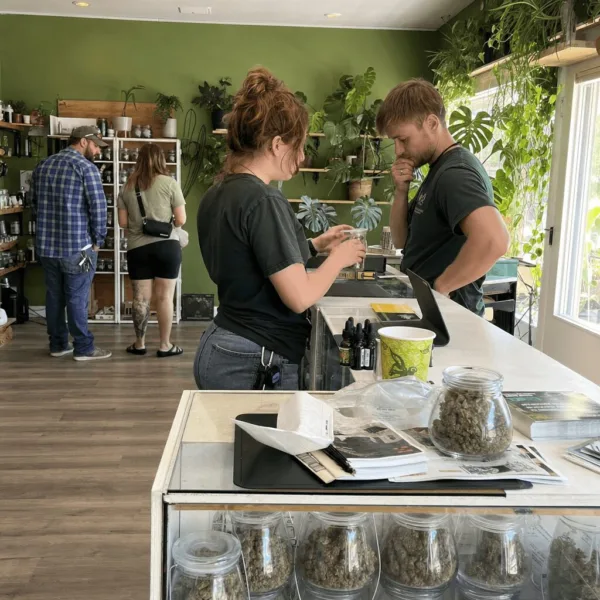
Here’s the eyebrow-raising fact: since its inception, West Virginia’s medical cannabis program has raked in $34 million in registration and application fees. This revenue comes from more than 21,000 enrolled patients and over 180 authorized healthcare professionals—a substantial base for a relatively new program (source: KFF Health News). Yet, not a dime of this cash has been spent on supporting patients, expanding provider training, or boosting the system’s transparency. Instead, complex budgeting rules have left these millions parked in accounts, accruing interest but locked away by legislative gridlock. Legislators, agency reps, and advocates all acknowledge that the law’s original language didn’t create clear spending pathways for these funds. For comparison, Kentucky has seen significant delays for patients awaiting relief with their own program (delays in neighboring state’s access). The West Virginia Department of Health and Human Resources, facing scrutiny, states it’s actively working to solve the bottleneck. Meanwhile, patients struggle with limited dispensary access—only a handful of tightly clustered operators are in business, and rural reach remains weak. Companies like Verano and Trulieve, familiar names nationwide, lead the market alongside local outfits, but still face tight compliance standards. The state’s cannabis rules remain stricter than many, forbidding flower sales and home grows and keeping product choices limited. Despite the cash pileup, patients and advocates say bureaucracy, not lack of funds, is the main thing holding back wider access and practical improvements.
Expert Commentary: Missed Opportunities, Fixable Problems—and Realistic Paths Forward
It’s no secret that West Virginia’s program is behind the curve compared to states with thriving cannabis businesses. The ongoing freeze on using collected funds is a missed chance to improve services, expand patient education, and launch provider scholarships. Industry leaders nationwide agree that transparency in cannabis fund usage boosts public trust and program effectiveness (Marijuana Moment). According to cannabis industry analyst John Hudak in his Brookings Institution research: “States that invest their cannabis revenue back into the community see stronger public health and long-term program growth.” As new policies emerge and pressures mount from neighboring states, many advocates suggest reviewing recent reforms such as the Republican-driven medical cannabis legislation debates that have shaped national discourse (policy reform debates in other states). Many advocates point out that legislative fixes—like clarifying spending permissions or earmarking program funds—are well within reach, if lawmakers can get behind pragmatic policy. Patient stories highlight the stakes: with more resources, access to clinics and community outreach could increase, raising both program effectiveness and social acceptance. Which leaves the million-dollar (or thirty-four-million-dollar) question: will Mountain State lawmakers break the gridlock and actually reinvest these funds for the intended public good?
Looking Ahead: Optimism and Opportunity for West Virginia Medical Cannabis Revenue
Despite current frustration, there’s good news: West Virginia medical cannabis revenue isn’t going anywhere. With ongoing legislative attention and mounting patient advocacy, change seems not just likely but inevitable. Trends across the country point to states refining their cannabis fund management, with more transparency and community reinvestment on the horizon (NORML). The growing public support for cannabis as a medical and economic driver means pressure will keep rising until practical fixes arrive. As other states harness their cannabis windfalls for research, addiction treatment, and criminal justice reform, the Mountain State has every opportunity to catch up—and maybe even lead. Stay tuned: West Virginia’s story is far from over, and the next chapter is set to deliver on the promise this industry and its patients deserve.
Originally reported by: kffhealthnews.org