


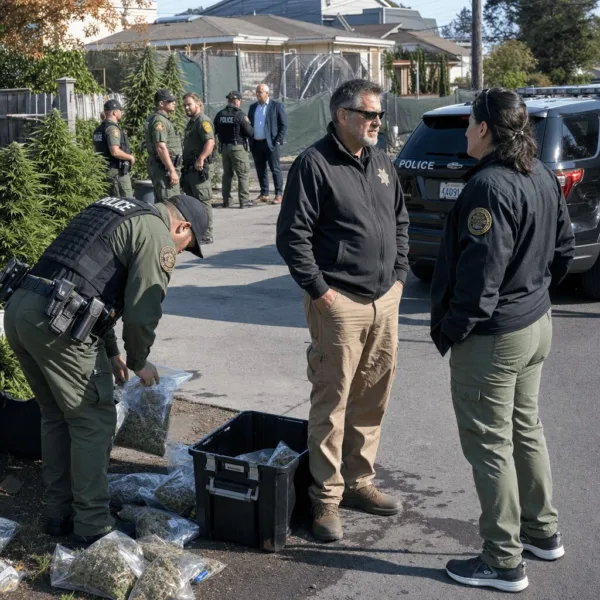



Cannabis Odor Ordinance: Key Changes Just Approved
The cannabis odor ordinance is back in the headlines with newly approved changes drawing attention from growers, city officials, and neighbors alike. As legal cannabis continues expanding across the nation, local governments scramble to balance commerce, public comfort, and social acceptance. Today’s news shakes up the ongoing debate and highlights why regulations on cannabis odor are a hot-button topic for residents, industry professionals, and anyone invested in the future of cannabis policy.
Regulatory Backdrop: Understanding the Cannabis Odor Ordinance
Cannabis legalization has forced municipalities to craft new guidelines on everything from cultivation locations to environmental impacts. One common pain point, managing the distinctive smell that comes with growing and processing cannabis, has garnered substantial attention. Odor complaints have driven regulatory crackdowns in states like California and Colorado (Leafly). The cannabis odor ordinance specifically addresses how municipalities can regulate airborne emissions, protect neighboring property values, and maintain quality of life without stifling a booming local industry. According to NORML, such ordinances often set clear standards for filtration systems, setback requirements from homes and schools, and actionable measures for complaints. These odor concerns often overlap with debates on consumption risk and evolving safety standards, as discussed in recent explorations of high potency cannabis effects. The debate reflects wider industry themes: normalization, coexistence, and fair regulation in evolving markets.
Breaking Down the Latest Developments
The Santa Barbara County Board of Supervisors has just greenlit several adjustments to their cannabis odor ordinance, as reported by the Santa Maria Sun. After heated deliberations on June 6, 2024, local officials voted to permit conditional modifications to existing odor control requirements. This decision came after a surge of feedback from both cannabis cultivators and concerned residents. The altered ordinance now introduces a streamlined appeals process for growers facing odor complaints and grants flexibility for permit holders to implement custom odor-mitigation technologies, provided they meet baseline air quality standards. Notably, these changes aim to foster greater cooperation between regulators, businesses, and the public, reflecting ongoing adaptations across the cannabis sector. According to local experts, precedent from recent instances such as conditional use cannabis permit decisions demonstrates how regulatory updates can reverberate throughout the industry. The amendments are officially slated for adoption by the end of July 2024 and mark a significant update to local odor management strategies.
Expert Analysis: What This Means for the Cannabis Industry
These modifications to the cannabis odor ordinance signal a maturing regulatory approach that balances environmental concerns with economic reality. As industry analyst Amanda Reiman of Marijuana Moment observes, “Local governments are learning that rigid rules can backfire, flexibility helps ensure cannabis companies can thrive while being good neighbors.” Nationwide, cannabis odor ordinances often spark heated debate, yet seasoned regulators and industry pros agree: adaptive policies encourage innovation in odor mitigation and allow for best practices to evolve. This is crucial both for industry stability and community relations. Leveraging advanced filtration, creative greenhouse designs, and community outreach, cultivators are starting to transform what was once seen as a nuisance into a showcase of responsible growing. As highlighted by the Cannabis Business Times, ongoing dialogue and iterative rulemaking will set a gold standard for integrating cannabis into mainstream agriculture and urban planning. These shifts also mirror broader regulatory trends, such as those examined in recent THC beverage regulation updates in Ohio, underscoring the impact of policy evolution throughout related markets.
Looking Forward: The Future of Odor Policy and Cannabis Integration
The cannabis odor ordinance will undoubtedly evolve as legal markets expand and communities seek coexistence. The latest updates in Santa Barbara set a progressive tone, providing a blueprint for other cities nationwide wrestling with similar challenges. Industry watchers—from NORML to state regulatory agencies—noted how cooperative, science-driven policies help mitigate friction and promote social acceptance. As technology advances and cannabis gains mainstream legitimacy, expect to see more nuanced ordinances designed to protect both businesses and neighbors. The future looks bright, with a path toward harmony between cannabis culture and community living.
Originally reported by: santamariasun.com


2 Comments
Pingback: Kentucky medical marijuana delay: What cardholders need to know
Pingback: West Virginia medical cannabis revenue: Surprising Program Stats