



Hemp Beverages Road Safety: Are Colorado Roads at Risk?
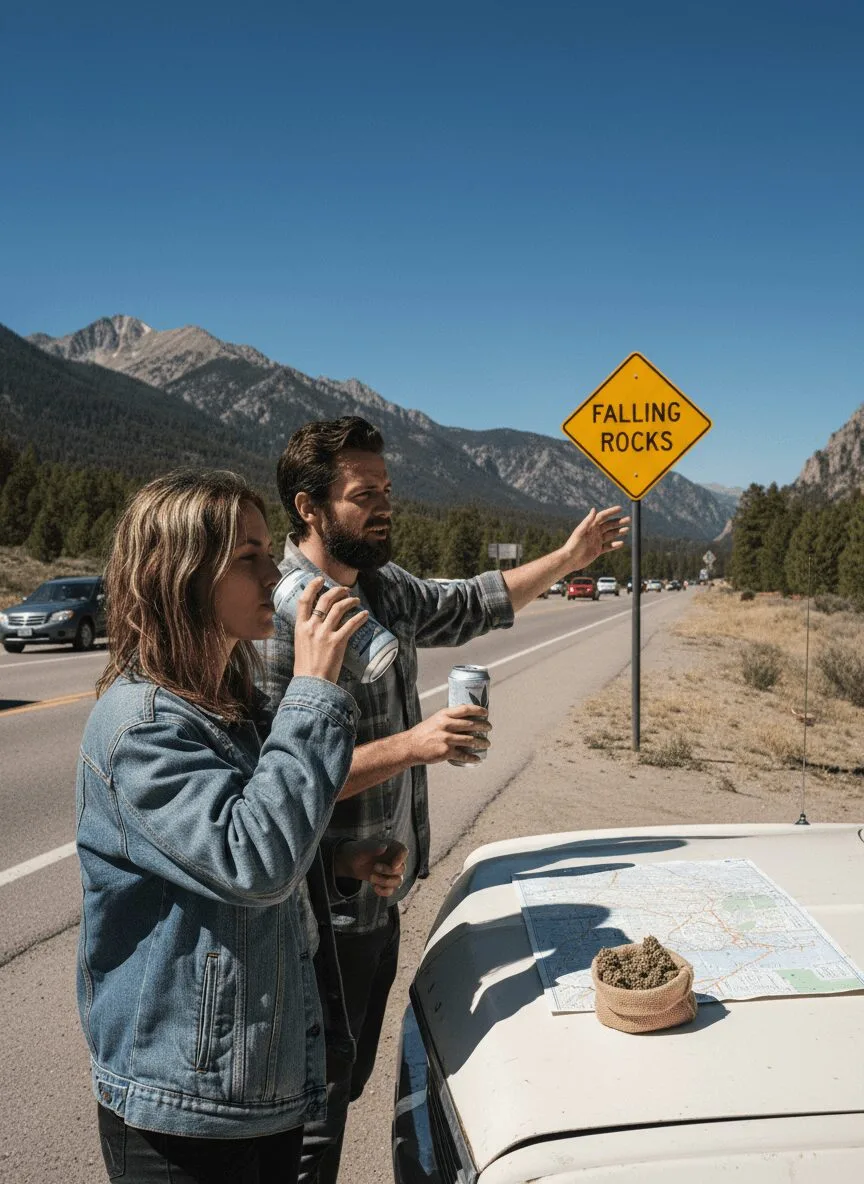
When it comes to hemp beverages road safety, Colorado is at the epicenter of heated discussion. The rise of THC-infused sodas, seltzers, and iced teas is changing the way we think about road safety and regulation. With dispensaries lining busy streets, hemp drinks are popping up everywhere—just as lawmakers, regulators, and the community scramble to keep up. Lately, several high-profile opinions and reports have raised tough questions about the risk these drinks may pose to road safety, especially as public interest in hemp continues to skyrocket. In this article, I’ll break down the current hemp beverages road safety debate, highlight the latest developments, and offer a nuanced look at what it all means for the future of driving—and the cannabis industry as a whole.
How Hemp Regulation, Social Attitudes, and Road Safety Policies Intersect
Understanding hemp beverages road safety takes more than looking at accident stats. The devil’s in the details, from state laws and evolving federal guidelines to shifting public attitudes—each plays a role. In Colorado, state agencies have established clear THC limits and packaging requirements for cannabis beverages, but this emerging category continues to evolve. For example, broader national regulation such as Texas hemp legality in 2024 has highlighted how consumers and lawmakers in other states are also navigating new product categories and enforcement frameworks. Federal law, under the 2018 Farm Bill, sets the limit for legal hemp at under 0.3% THC by dry weight. Yet effects and public perceptions vary. Some community safety groups worry these drinks may slip through regulatory cracks, especially compared to alcohol, which has a century-long road safety track record. At the same time, cannabis news sources highlight the importance of responsible usage campaigns and evolving product labeling as solutions. Overall, the policy landscape remains dynamic and complex, influenced by both regulatory changes and shifting social attitudes—factors that also played a part during the recent GOP-led shake-up of hemp industry regulation, according to industry analysis.
Recent Events: Public Concerns and Policy Moves in Colorado
The conversation around hemp beverages road safety is active and ongoing. Earlier this month, The Gazette published an opinion piece warning that broader access could present new risks on Colorado roads. Lawmakers are assessing whether traditional enforcement tools like sobriety checkpoints and field tests are effective for THC-based drinks, which metabolize differently than alcohol. Major industry players such as Wana Brands and Keef Cola have released new hemp beverage lines, prompting further debate. In March, the Colorado Department of Transportation, in collaboration with public health advocates, rolled out new guidance on cannabis-impaired driving and the distinct effects of edible and drinkable THC, as compared to traditional smoking. The Colorado Department of Public Health and Environment has also released data showing an uptick in adult hemp beverage use, though there’s currently no evidence linking this to increased accident rates. As highlighted in cannabis industry news, some lawmakers back public education campaigns while others push for stricter retail controls. Additionally, infrastructure changes such as the recent State Route 31A closure have impacted local cannabis culture and access, underscoring how policy and public safety debates intersect with everyday transportation issues.
Expert Analysis: Weighing Perception Versus Reality in Hemp Beverage Risks
As someone who’s observed the evolution of the cannabis space, I’ve seen how myths and facts often collide, particularly on the topic of hemp beverages road safety. Not every hemp-infused drink is the same—impairment depends heavily on a product’s THC content, the user’s personal tolerance, and the method of consumption. Recent scientific reviews by organizations like NORML found no significant impairment in field sobriety tests after common use of hemp-derived cannabinoids, though experts agree that more nuanced public education is needed instead of alarmism. As Dr. Amanda Reiman, a respected cannabis safety consultant, emphasizes, “We must teach consumers how hemp beverages affect them personally, just as decades of alcohol education have, all while ensuring enforcement tools are science-based and fair.” (Source: Marijuana Moment.) It’s crucial to separate scare tactics from evidence and provide practical resources. Broader shifts in cannabis regulations, such as how data center rules are influencing compliance efforts in the industry, suggest that a multi-faceted approach will be key as the sector matures.
The Road Ahead for Hemp, Driving & Public Health
So, where does this leave hemp beverages road safety policy? In Colorado and beyond, expect a rapid evolution. The cannabis industry will likely see even tighter packaging rules, clearer labeling about impairment risks, and smarter public service campaigns. With science catching up to policy—and more adults interested in safe, responsible cannabis enjoyment—the future looks promising and grounded in evidence, not fear. Regulatory change, like that described in NORML’s Colorado law roundup, always starts bumpy but ends smoother as stakeholders collaborate. The key is open dialogue, innovation, and keeping road safety at the forefront—alongside people’s freedom to responsibly enjoy hemp. One thing’s clear: hemp beverages road safety will stay a headline topic as the industry matures and society’s relationship with cannabis continues to evolve.
Originally reported by: gazette.com