




State Route 31A closure: What Drivers Need to Know Now
The State Route 31A closure is making headlines for locals, commuters, and cannabis enthusiasts alike. With this closure impacting daily routines, heightened attention surrounds how small towns adapt when key arteries are blocked. This isn’t just about detours and roadwork; it’s a window into changing regulations, social flows, and even the undercurrent of evolving cannabis culture. Today, we’ll break down the facts you need to know, analyze the broader impact, and reflect on why issues like the State Route 31A closure reveal more than just a roadblock.
Understanding the Scene: Regulatory and Social Background
The State Route 31A closure highlights a common scene in America, where local infrastructure projects intersect with evolving community norms. With cannabis legalization spreading across states like New York, towns are adapting to new lifestyles and consumer behaviors. According to the National Organization for the Reform of Marijuana Laws (NORML), legal policies continue to reshape how residents move, socialize, and interact with public spaces. This is seen not only in regulatory shifts but also in the daily impact on individuals, such as those experiencing the everyday life and big impact of the new normal for legalized marijuana in places like Maine. Transportation planning is increasingly influenced by both state and local regulatory frameworks, a shift visible in the ripple effects of major roadwork and route closures. Social factors, including rising support for responsible cannabis use and outdoor socializing, blend into these changes. Infrastructure upgrades, like those prompting the State Route 31A closure, often happen alongside efforts to create safer, more inclusive environments for drivers, walkers, bikers, and the growing cannabis-friendly community.
What’s Actually Happening: State Route 31A Closure Details
The State Route 31A closure in the town of Sweden, Monroe County, is far more than a traffic hiccup. According to WHEC News, the section between Redman Road and Country View Terrace is completely shut down for roadwork starting Monday and expected to last until late May. The New York State Department of Transportation is spearheading the project, focusing on critical repairs and upgrades. Detour plans are in place to reroute cars through nearby streets, and clear signage keeps things organized. For residents, this means more than delays, it’s a disruption to daily life, altering travel to work, school, and local businesses. However, similar to how small towns take charge in addressing marijuana-related community challenges, the closure offers space for community members—like those embracing the relaxed cannabis lifestyle New York endorses—to create new public routines. Local authorities urge patience and safety, especially given increased pedestrian activity during detours.
Expert Takes: Insights on State Route 31A Closure and Cannabis Community
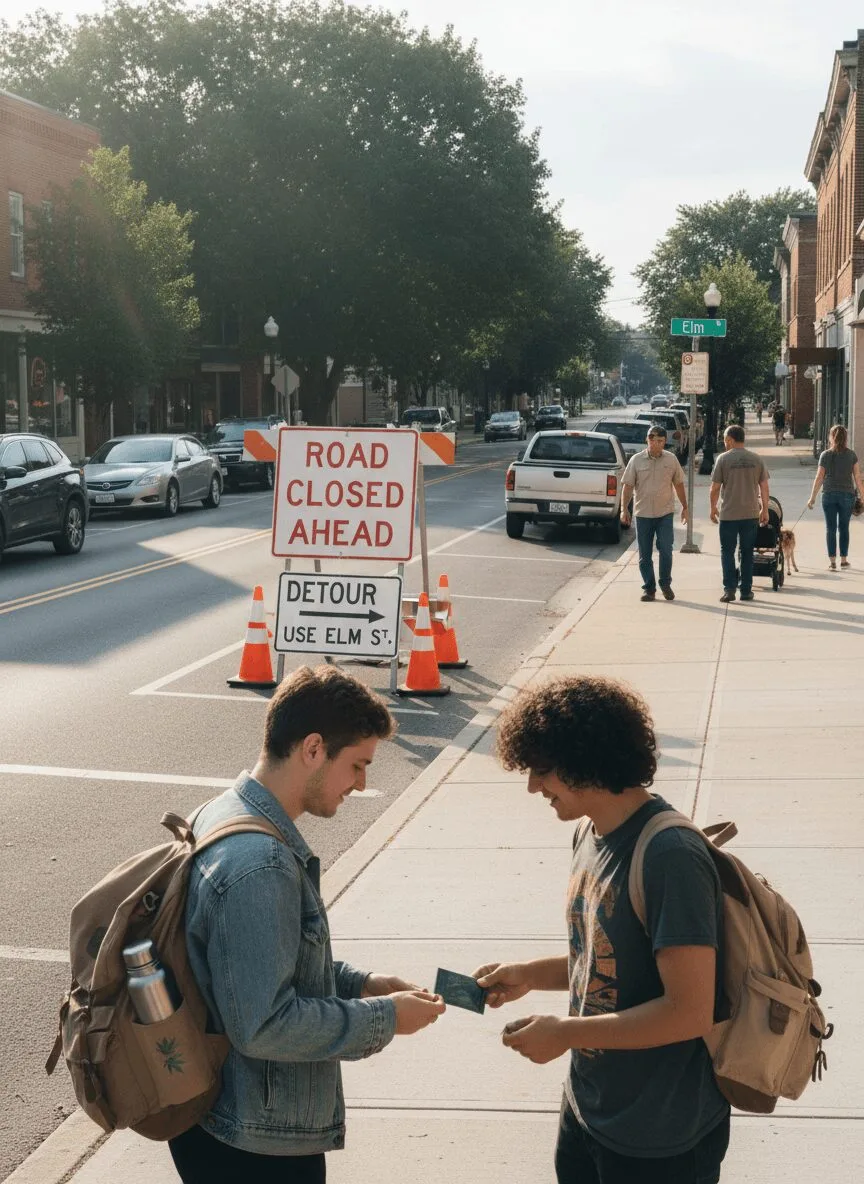
From an industry perspective, closures like State Route 31A reflect broader societal changes. Small roadblocks become cultural markers, especially as public acceptance of cannabis grows. As Forbes cannabis industry analysts point out, “The integration of cannabis into daily life is as much about social acceptance as it is about law.” This integration can reshape public spaces, much like the emergence of modern, social-forward edible products has shifted expectations in the cannabis market. Disruptions like the State Route 31A closure can drive new, organic meetings for the community—think side-street conversations, outdoor gatherings, and a more visible yet normalized presence of cannabis users. Industry expert Morgan Fox, spokesperson for NORML, has said, “These everyday moments, waiting at a detour, sharing space during construction, are the new proving ground for responsible cannabis use and inclusive public policy.” As towns invest in infrastructure, the blend of routine maintenance with a flourishing cannabis scene creates opportunities for expanded dialogue and mutual understanding among users, authorities, and non-users alike.
Looking Forward: Community Growth Beyond the Detour
Though the State Route 31A closure brings short-term inconvenience, it also nudges local culture forward. With more states normalizing cannabis and enhancing public infrastructure, these closures cultivate safer, healthier, and more open-minded spaces. This moment is a snapshot of bigger changes—where transportation planning, cannabis policy, and everyday life merge. According to the Marijuana Policy Project, ongoing reforms are paving the way for integrated, vibrant communities that welcome both travelers and toker-citizens. As we look ahead, expect these intersections—literal and figurative—to keep driving new conversations, smarter regulation, and an even stronger sense of belonging on every block.
Originally reported by: whec.com


