

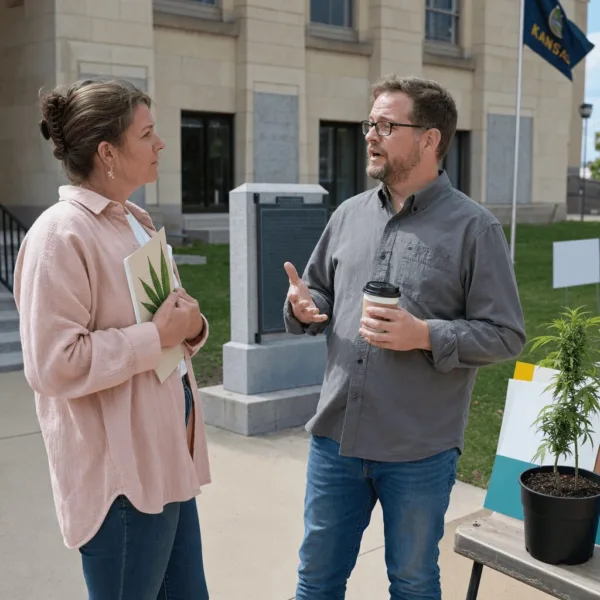




Texas hemp legality: What You Need to Know Right Now
If you’re keeping an eye on plant trends or emerging markets, the buzz around Texas hemp legality is impossible to ignore. New legal challenges, shifting enforcement, and evolving THC product rules are changing the future of hemp in the Lone Star State. Whether you’re a seasoned consumer, hopeful entrepreneur, or simply a curious Texan, knowing where things stand on Texas hemp legality has never been more important. In this guide, we’ll break down what’s changed, who’s involved, and why these legal battles matter for everyone from farmers to everyday consumers.
Understanding the Texas Hemp Legality Landscape
Diving into Texas hemp legality reveals one of the most fascinating, and frustrating, regulatory puzzles in the U.S. market. When the 2018 Federal Farm Bill (USDA) reclassified hemp (cannabis containing less than 0.3% THC) as an agricultural commodity, Texas responded with headlines and heated debate. By mid-2019, the state passed House Bill 1325, which allowed regulated cultivation, processing, and retail sales of hemp and hemp-derived products, provided they remained under the 0.3% THC threshold. But Texas’s state laws tacked on their own unique flavors, ranging from a notorious ban on smokeable hemp to tighter rules around Delta-8-THC, confusing law enforcement and consumers alike. Unlike states like Colorado, Texas strictly differentiates hemp from marijuana, yet enforcement varies widely depending on county and political leadership (Texas Department of Agriculture). Retail businesses are also experiencing the impact of the evolving regulatory climate, much like Fort Worth hemp shop owners who have to navigate constantly changing local rules. This ongoing struggle between tradition, fearmongering, and modern cannabis policy has made Texas hemp legality both a hot-button issue and a moving target for businesses and advocates.
Recent Developments Shaping Texas Hemp Legality
The Texas hemp legality debate advanced this April after new legal action from businesses and advocacy groups pushed back against statewide bans. According to KERA News, a coalition of Texas retailers and producers challenged the Texas Department of State Health Services, pressing on the state’s controversial 2020 ban on smokeable hemp products. Legal filings in Travis County highlighted the industry’s argument that the ban goes against both federal classifications and the economic interests of Texas businesses. While district court judges previously issued injunctions allowing smokeable hemp product manufacturing, the latest showdown reopens old wounds and uncertainty. Major players such as Wild Hempettes LLC and Texas Smoke Shop Owners United cited damage from enforcement confusion and market restrictions, all while state agencies doubled down, citing public health and youth safety. According to the Texas Department of State Health Services, these rules aim to tighten product safety and market oversight, though many claim the measures are more about optics than public welfare. Some see this situation as part of a broader trend, similar to how data center regulations are reshaping cannabis operations in other sectors, as detailed in industry analyses of compliance issues for cannabis businesses. The hemp industry’s fate in Texas now hinges on court rulings and potential legislative fixes this year, making 2024 a make-or-break year for Texas hemp legality.
The Bigger Picture: Analysis, Advocacy, and Emerging Trends
As someone who’s championed cannabis normalization since back when brick weed was still a thing, I can tell you that Texas hemp legality isn’t an isolated saga, it’s the tip of the iceberg. These legal challenges set precedents that influence national policy debates and impact how businesses structure supply chains. With over 1,300 Texas hemp licenses granted since legalization (source: HempToday), all eyes are on whether the courts will back consumer choice or state-imposed limits. According to cannabis legal expert Lisa Pittman in Marijuana Moment, “Texas has a unique opportunity to embrace hemp as both an economic powerhouse and a tool for criminal justice reform, if only lawmakers and agencies can get on the same page.” National industry leaders warn that heavy-handed enforcement not only stifles local economies but also pushes consumers into riskier, unregulated markets. That’s a lose-lose for everyone except illegal bootleggers. At the same time, pro-cannabis voices highlight hemp’s potential, especially as demand ballooned for Delta-8 and other minor cannabinoids. This reminds me of how the broader cannabis movement, such as legal reforms in states like Maine, continue to reshape everyday life and influence the new normal for advocates and consumers alike, as explored in recent discussions about legalization’s day-to-day effects in Maine. “We’re seeing the Texas hemp legality challenge play out on Main Street and in the courts at the same time,” notes Pittman, who remains optimistic about long-term normalization if stakeholders stay engaged.
Looking Forward: Texas Hemp Legality and The Path Ahead
The legal wrangling over Texas hemp legality is more than a footnote—it’s the headline for a rapidly changing industry. Market watchers and advocates place big bets on policy clarity, economic growth, and increasing social acceptance. In the last five years, national support for regulated hemp skyrocketed, especially as stories of small-town farmers and urban innovators caught public attention (Leafly). Even as Texas regulators tighten certain screws, new legislative pushes and court decisions could soon open the door to a broader range of safe, accessible hemp products. For every challenge, the cannabis community counters with education, evidence, and righteous Texas grit. Today, the Texas hemp legality debate is far from over—but tomorrow is looking brighter for hemp, advocates, and consumers across the state.
Originally reported by: keranews.org

3 Comments
Pingback: GOP hemp industry regulation: Shocking New Changes Ahead
Pingback: SWLA Arrest Report: Shocking April 26, 2026 Highlights
Pingback: Unlocking the Science of Cannabis: What You Need to Know