


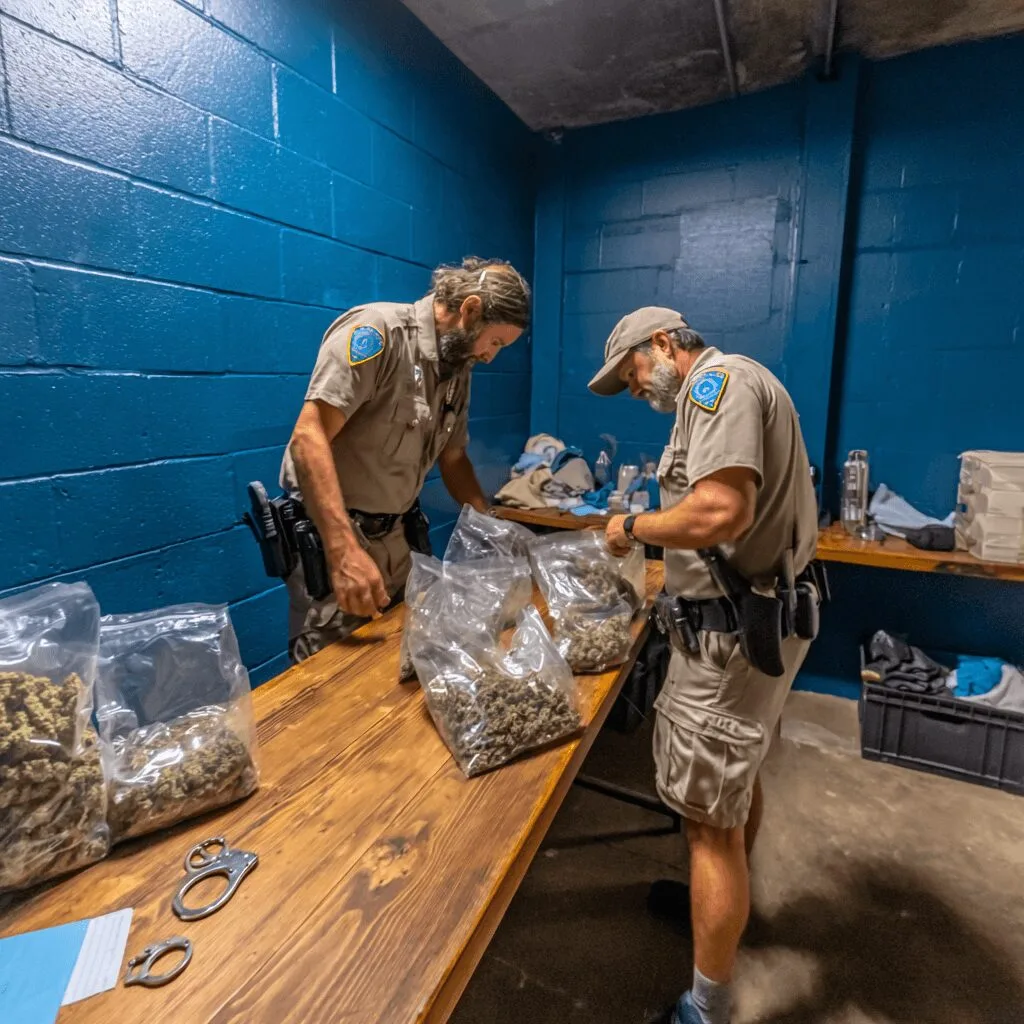
Fountain Correctional Facility marijuana bust: What Really Happened?
The Fountain Correctional Facility marijuana bust has everyone talking—and for good reason. As legalization sweeps across the country, stories of marijuana entering correctional facilities spark heated debates and deep curiosity. This recent bust is not just a headline—it sheds light on complicated legal realities, evolving cannabis culture, and lingering stigmas in unexpected places. Here’s a chill, well-informed look at the facts, the industry context, and why this story matters far beyond the prison walls.
Behind Bars: Cannabis, Contraband, and Legal Grey Areas
It might surprise some, but the cannabis industry’s growth doesn’t erase the stark legal line between inside and outside correctional walls. According to Marijuana Policy Project, even as legalization advances across dozens of states, federal law keeps cannabis strictly prohibited in prisons. Correctional facilities nationwide face a tough dilemma, addressing black-market cannabis trade while adapting to shifting public attitudes. Besides the legal patchwork, economic incentives drive in-facility contraband trade. According to Prison Policy Initiative, demand for cannabis inside prisons develops as both protest and coping mechanism—an open truth correctional staff recognize. The Fountain Correctional Facility marijuana bust further demonstrates that regulation alone doesn’t erase supply chains, but simply drives them into new forms highlighted by recent coverage of significant cannabis seizures in other states.
The Latest: Key Details on the Fountain Correctional Facility Marijuana Bust
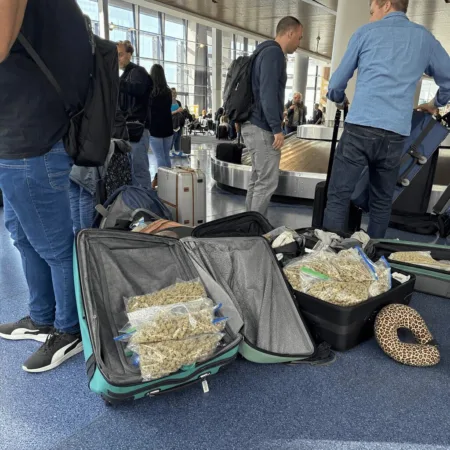
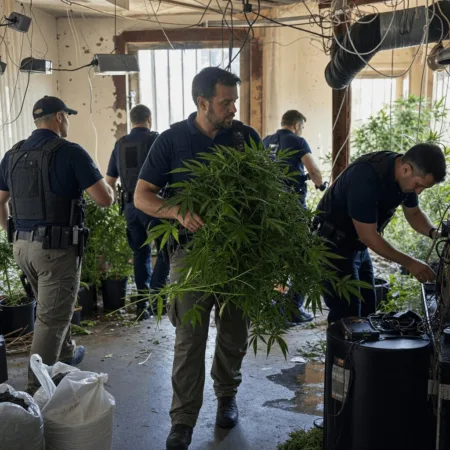
Let’s talk the facts. According to a detailed Atmore Advance report, correctional officers at Alabama’s Fountain Correctional Facility detained staffers for a routine contraband check on June 25, 2024. Law enforcement discovered several plastic evidence bags containing sizable quantities of green cannabis bud, a clear indication of recent trafficking activity. They also confiscated cellphones and associated paraphernalia, cleverly hidden among personal effects. The report names Fountain Correctional Facility directly and notes the bust happened after security observed suspicious late-night activity on internal cameras. Documentation from Alabama Department of Public Safety confirms that charges are pending further investigation, with outside agencies now involved. Multiple officers were interviewed on scene, and standard protocols for evidence handling have been followed. No full staff disciplinary actions have been announced as of publication, but sources indicate internal reviews are underway. This is not an isolated event, as Alabama prisons have documented similar seizures regularly over the last three years, with cannabis ranking as the most commonly found contraband by volume, according to Vera Institute of Justice. The widespread presence of marijuana in correctional institutions points to broader industry patterns, mirroring trends seen in regulatory discussions such as the impact of seed regulations on cannabis markets.
Cannabis in the System: Industry Insights and Pro-Cannabis Counterpoints
While news about the Fountain Correctional Facility marijuana bust grabs headlines, it highlights several realities, none more pressing than the disconnect between state-legal cannabis above ground and penalties below. Legalization hasn’t reached behind bars yet and, as Leafly points out, incarceration remains a central flashpoint for cannabis policy reformers. This incident sparks debate: should cannabis be the threat it’s portrayed as in correctional settings, or is it a symptom of outdated laws and social policies? Cannabinoid researcher Dr. Amanda Reiman puts it simply: “We need policies rooted in modern science and harm reduction, not relics of prohibition” (Americans for Safe Access). Indeed, minimizing black market trade and contraband risk would be easier if cannabis prohibition didn’t persist so deeply in prison life. Transparency, stronger staff training, and effective reform efforts—like removing nonviolent cannabis arrests from the books—would help bridge the policy divide. Coverage of the broader impacts of cannabis on markets and public perception underscores the urgent need for aligned policy both inside and outside correctional facilities. According to reports from NBC News, what the public calls a “bust” is often a call for systemic change.
The Road Ahead: Growth, Acceptance, and Smarter Policy
The Fountain Correctional Facility marijuana bust isn’t just another crime stat—it’s a window into evolving cannabis realities. As more states move towards common-sense legalization, the paradoxes inside prison walls become even clearer. The cannabis industry keeps growing, fueled by a wave of public support and regulatory adaptation, as shown by recent New Frontier Data trend reports. Looking forward, expect more conversations—not just about contraband, but about fairness, health, and harm reduction. Whether you’re an advocate, critic, or just a curious reader, stay tuned. The way we talk about cannabis is changing everywhere—yes, even in places you least expect.
Originally reported by: atmoreadvance.com