

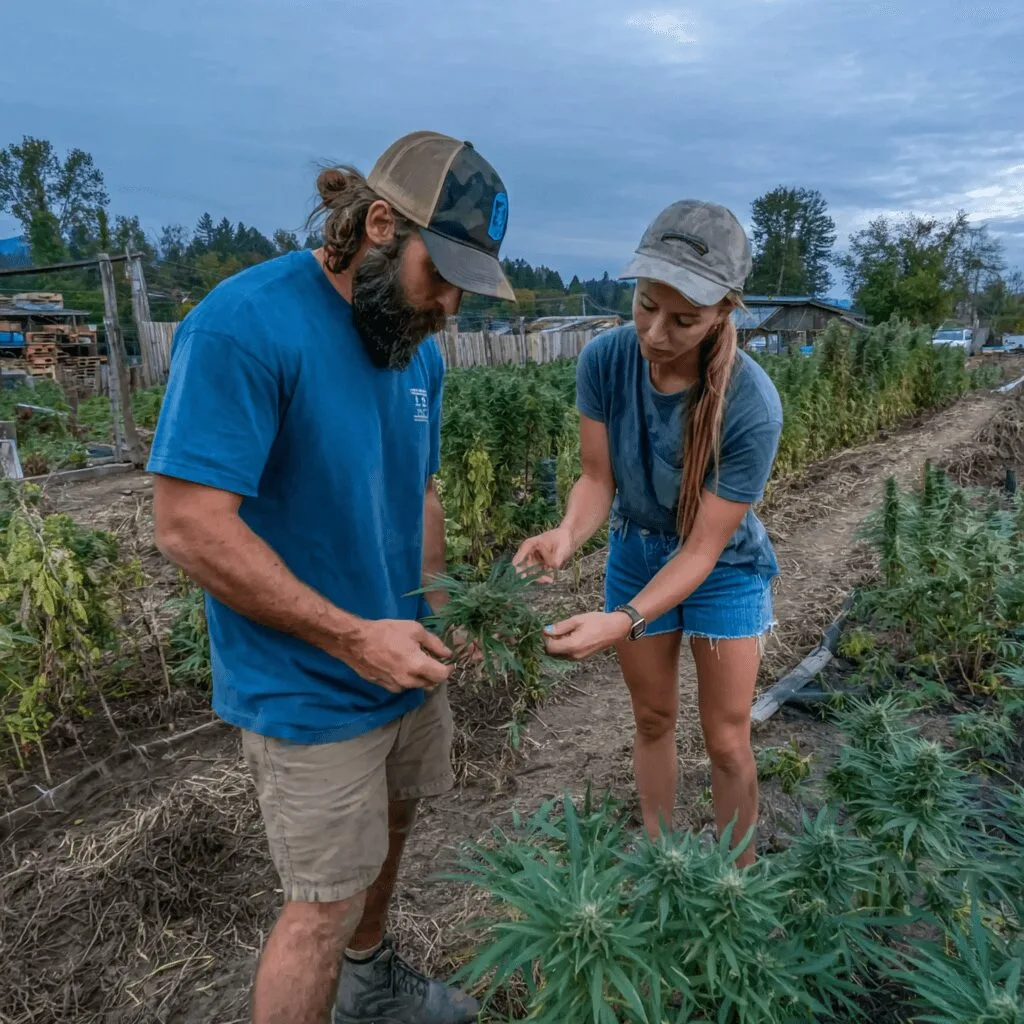
Hemp Industry Challenges: Why the Legal Sector Faces Attacks
Let’s be real: city councils, lawmakers, and even some old-school industry voices are seriously debating the future of legal hemp right now. The market’s booming, but regulatory hostility and social skepticism are mounting. That means hemp industry challenges are front and center, from shifting laws to confusing headlines and the growing demand for natural wellness options. Understanding where these attacks are coming from—and how the hemp sector responds—matters for anyone invested in cannabis culture, policy reform, or market opportunity.
The Long Road: Regulatory, Legal, and Social Background
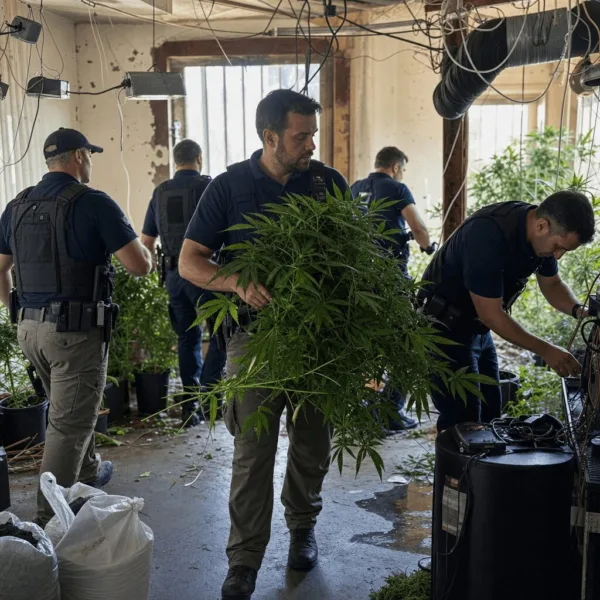
The 2018 Farm Bill kicked off the current era of legal hemp, setting strict guidelines for THC content and opening a massive market for fiber, food, and cannabinoids. Still, old biases remain, and regulatory confusion plagues businesses from coast to coast. States enforce patchwork rules around hemp-derived THC, delta-8, and smokable flowers. Neighbors and communities sometimes can’t tell hemp from illegal cannabis varieties, which can lead to unnecessary police encounters in ways reminiscent of recent high-profile cases, such as the Oklahoma marijuana arrest that shook the industry. Social stigma persists, despite legal status, and advocacy groups argue that fear-based narratives often cloud reasonable debate. The main hemp industry challenges emerge from this tangle of evolving laws, market volatility, and deep-rooted cultural biases.
Key Developments & Issues: Attacks on Legal Hemp
According to an op-ed at Marijuana Moment, legal hemp is under coordinated attack from several sides. Recent months saw increased raids and warnings against operators running above-board businesses. State governments, such as Texas and Tennessee, introduced bills to restrict or ban certain hemp products, citing concerns over consumer safety and psychoactive cannabinoids. Even the DEA weighed in, attempting to clarify, or rather restrict, what defines legal hemp versus marijuana. Retailers like Kush.com and Texas-based CBD shops have faced uncertainty, with law enforcement upfront about their skepticism. At the same time, state-level legislation, as seen when bans spurred change in places like Florida, is igniting shifts in cannabis policy that ripple beyond hemp—take for example the federal hemp ban’s impact on Florida’s legalization push. Meanwhile, industry coalitions, including the National Hemp Association, are stepping up to defend hemp’s status as a legitimate, job-creating market. As these hemp industry challenges mount, business owners across the country are calling for clearer, fairer rules and seeking allies among both consumers and lawmakers.
Expert Analysis, Insights, and a Pro-Cannabis Counterpoint
Here’s the chill but honest vibe: Hemp is a functional crop with deep roots in American history—think textiles, building materials, and nutrition. Yet, confusion around legality causes real harm. As Forbes highlights in a recent interview, “We’re fighting for the right to exist, not just to profit,” says Morris Denton, CEO of Compassionate Cultivation. “If regulators can’t recognize the difference between lawful hemp and other cannabis, everyone suffers—the farmer, the patient, the retailer.” The hemp industry challenges are amplified by misinformation and power struggles between established cannabis interests and smaller hemp operators. Market disruptions, such as regulatory crackdowns, can be seen in how seed laws and genetic standards are shaping the cannabis landscape, as seen by the ways marijuana genetics seed regulations are shaping the future. Market disruptions, like the crackdown on delta-8, push small businesses to the brink, even as hemp’s economic impact approaches nearly $6 billion, according to Hemp Benchmarks. But here’s a crucial insight: effective education, transparent testing, and honest labeling can turn fear into opportunity. Keeping it real, a smarter regulatory pathway helps both public health and hemp sector stability.
The Road Ahead: Opportunity Amid Hemp Industry Challenges
Bottom line: The hemp industry challenges are real, but so is the determination of advocates and entrepreneurs. States like Colorado and Illinois have begun adjusting legislation to better distinguish hemp from high-THC cannabis, according to reports by Leafly. This trend signals growing social acceptance, with public opinion shifting toward supportive frameworks. As consumer interest grows—for both traditional uses and cutting-edge cannabinoids—so does the call for smart regulation.
With ongoing industry organization, more robust self-regulation, and statehouse advocacy, hemp’s future looks promising. Hemp isn’t going anywhere. In the face of continual hemp industry challenges, the community is evolving, innovating, and, most importantly, getting heard. Expect this green wave to keep rolling—one step, law, and honest conversation at a time.
Originally reported by: marijuanamoment.net