

Marijuana Genetics Seed Regulations: What Hemp Companies Must Know
The conversation around marijuana genetics seed regulations is heating up as the hemp and cannabis industries face big changes. With shifting legal definitions, increased enforcement, and tight timelines from federal agencies, hemp businesses and genetic innovators are under the microscope. Recent updates are making waves—especially as deadlines approach for moving legacy seeds in or out of the U.S. Savvy operators must keep an eye on loopholes and emerging compliance moves, since these choices shape the field for everyone from boutique breeders to multimillion-dollar players. This is your essential guide to what’s happening under the hood—and who wins or loses as these seed regulations evolve.
Understanding the Landscape: Regulatory, Legal, and Market Forces Fueling Marijuana Genetics Seed Regulations
Marijuana genetics seed regulations sit at the crossroads of science, law, and business. Since the 2018 Farm Bill separated ‘hemp’ from ‘marijuana’ based on THC content, regulators have scrutinized how seeds move across borders. According to NORML, seeds themselves remain a legal gray area when detached from plant THC levels. Today, enforcement is driven by evolving federal rules, increasing pressure from state authorities, and an unpredictable global trade environment. For example, past legal debates over seed possession and seizures in places like Oklahoma highlight just how fast policies can change—see this recent profile of a high-profile cannabis seizure. Market demand for high-CBD, low-THC, and rare genetic traits also puts pressure on lawmakers to clarify their stance. As the industry scales, legacy practices around seed sharing, once ‘underground’ or ignored, are now getting legal attention. Those in the genetic and cultivation space must navigate not only shifting definitions, but also heightened compliance checks and the possibility of cross-state legal mismatches, as reported by authoritative sources like Leafly News.
Key Developments & Issues: Major Regulatory Moves, Legal Deadlines, and Industry Impacts
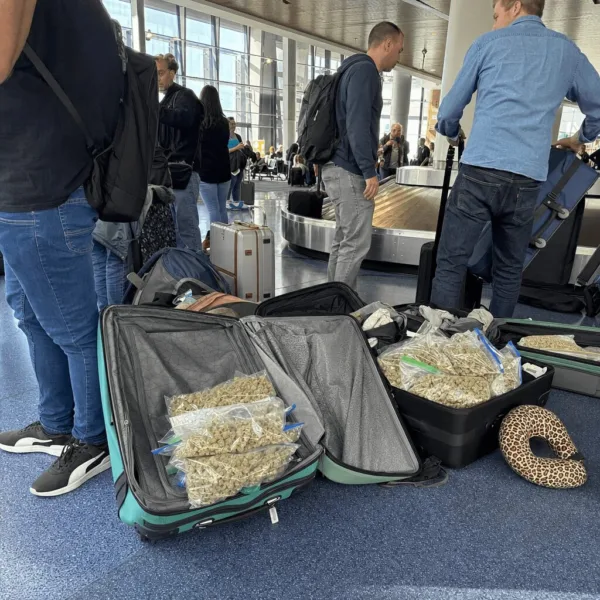
According to recent coverage from Mondaq, federal regulators have given U.S. hemp companies a strict one-year timeline to finalize moving certain marijuana genetics, specifically legacy or non-compliant seeds, into or out of the country. This move follows re-examination of the legality of selling or transferring marijuana seeds deemed to contain impermissible genetic markers or exceeding trace THC potential. The U.S. Department of Agriculture (USDA) and Customs and Border Protection (CBP) have issued fresh guidance for seed import and export, raising the stakes for compliance. Businesses that rely on legacy genetics or that import rare strains from overseas must now document every transaction. The growing attention on compliance has also been fueled by high-profile market events and surges in demand, which can be seen in reports on seasonal sales like this industry surge in Massachusetts. Key companies named in recent filings, like Phylos Bioscience and Humboldt Seed Company, face both opportunity and risk as they pivot to meet these new requirements. Simultaneously, legal experts warn of potential loopholes: seeds technically containing less than 0.3% THC may still be treated inconsistently by customs, depending on genetic testing techniques or declared purpose. The impact is massive, as failure to comply could mean product seizures, major fines, or losing the right to operate, at a critical moment as the industry pushes for federal legalization, as detailed in Marijuana Moment reports.
Expert Analysis & Insights: Why These Regulatory Moves Matter and What’s Next for Marijuana Genetics Seed Regulations
For industry veterans, the latest round of marijuana genetics seed regulations is both a challenge and a wake-up call. It’s not just about paperwork; these rules could fundamentally reshape access to valuable cannabis genetics. As Dr. Ethan Russo, a renowned cannabis researcher, stated in an interview with Project CBD: “Genetic diversity is the backbone of innovation in cannabis. Overzealous regulation risks stifling progress and locking out traditional breeders.” With top genetic banks and seed breeders now on high alert, many insiders fear a climate of risk aversion—as hesitant businesses overcompensate or slow their R&D. Yet, for those who adapt fast by embracing seed tracking, transparent documentation, and smart cross-border legal advice, there’s major upside. A compliant, clearly defined market for genetics could ignite investment and attract mainstream partnerships. For instance, the push for clear labeling and testing standards in Europe and Canada is mirrored by community-focused education efforts in the US—reflected in initiatives such as community education in emerging substance use regions. The key takeaway: those who treat marijuana genetics seed regulations as a strategic asset, not just a hurdle, will shape the new DNA of the cannabis industry’s future.
Looking Ahead: How Marijuana Genetics Seed Regulations Will Drive Industry Growth
Despite the headaches and hard deadlines, marijuana genetics seed regulations are fueling progress toward a truly mature, global cannabis industry. By standardizing genetic documentation and tracing plant lineages, regulators are nudging the market toward science-driven, consumer-safe, and legally sound practices. Forward-thinking companies are already investing in compliance tech and data-driven seed inventories, betting that tomorrow’s market leaders will be those who master both the science and the statutes. According to a New Frontier Data report, these changes could unlock billions in new value by opening up global trade once legal frameworks align. The message for cannabis companies? Stay agile, get informed, and see each regulatory shake-up as a new growth opportunity—for your business, and for the vision of safe, legal, and innovative cannabis for all.
Originally reported by: mondaq.com