





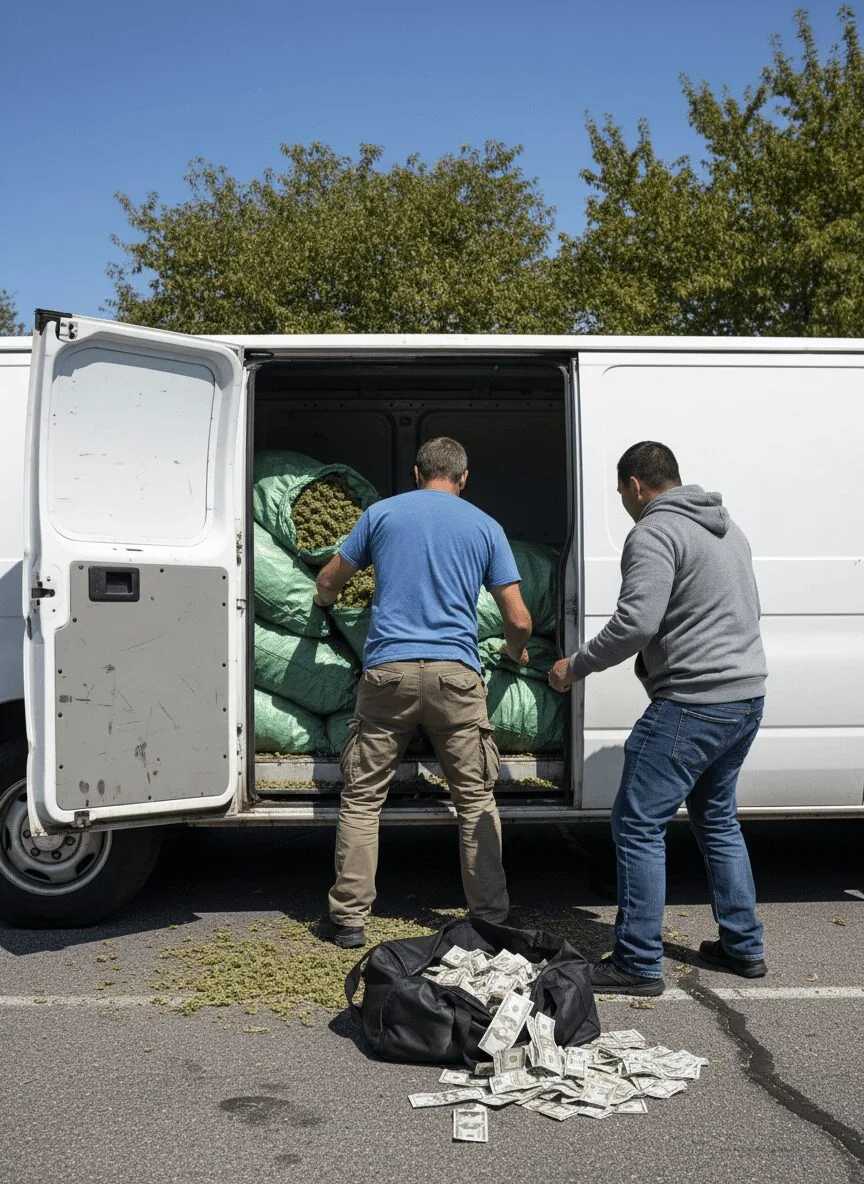
Fort Bragg marijuana arrest: 1300 pounds seized, $253K cash found
The Fort Bragg marijuana arrest has hit headlines, sending shockwaves across California’s cannabis sector and stirring up fierce debate among advocates, law enforcement, and everyday consumers. As legalization continues to evolve, big busts like this put both legacy growers and market regulators under the microscope. We’ll break down why this story matters to anyone tracking the industry’s legalization journey—and what it could mean for the bigger picture of cannabis, compliance, and justice. Strap in as we explore the intersecting worlds of enforcement, market pressures, and public perception during this pivotal time.
California’s Green Rush: Regulatory & Social Context of the Fort Bragg Marijuana Arrest
Understanding the Fort Bragg marijuana arrest means starting with California’s dynamic cannabis landscape. Home to one of the world’s largest legal markets, California legalized recreational cannabis in 2016 through Proposition 64, giving birth to immense legitimate business opportunities, and inevitably, a shadowy illicit scene still operating outside regulatory lines. Despite California Department of Food and Agriculture licensing for cultivators, the illicit trade persists, driven by high taxes, tight market access, and black market demand. According to the LA Times, California’s legal market has struggled to quash unlicensed operators, as many small farmers and legacy growers face high regulatory hurdles, licensing delays, and law enforcement scrutiny. Recent analysis also shows that illegal cannabis seizures have surged in California, putting constant pressure on law enforcement and regulatory agencies, as detailed here. The Fort Bragg marijuana arrest serves as a stark reminder of these unresolved tensions, where the lines between regulation, prohibition, and entrepreneurship remain blurred. Community concerns around safety, environmental impact, and fair access are piling up, making every high-profile case a lens for bigger industry debates.
Major Seizure in Fort Bragg: Key Events & Legal Details
According to reports from KRCR News, Mendocino County law enforcement uncovered more than 1300 pounds of illegal marijuana, bagged, boxed, and ready for distribution, in an unassuming van parked near Fort Bragg, California on June 3, 2024. Officers also discovered an eye-popping $253,000 in cash, a find that quickly elevated this stop from routine traffic control to headline news. The suspect, reportedly a local resident, was detained and faces multiple charges relating to unlawful transportation and possession of cannabis with intent to distribute, according to court filings reviewed by The Mendocino Voice. Such incidents highlight major law enforcement efforts—similar to large-scale drug seizures recently reported elsewhere, as seen in the Hawaii police case. The van’s contents suggested a sizable operation, with the quantity far exceeding California’s legal personal limits. Authorities said initial leads point to illegal market distribution, potentially with links across county lines. This Fort Bragg marijuana arrest isn’t just a police action, it’s a microcosm of the lingering challenges between local law enforcement, fluctuating state regulations, and North Coast cannabis culture.
Industry Perspectives and Cannabis Expert Insights
The Fort Bragg marijuana arrest highlights the ongoing tension, if not outright contradiction, between legalization dreams and enforcement realities. While many celebrated California’s green light for adult-use cannabis, the transition to a fully legal, regulated market has been, to put it gently, messy. Many insiders, like Leafly columnist and cannabis consultant David Downs, point out: “Overregulation and high compliance costs often push small growers into the gray market, not criminal intent but survival in an unfair system.” Additionally, a Marijuana Moment analysis notes that unlicensed operations still outnumber legal shops in many rural parts of California, with enforcement falling unevenly across counties. For legacy farmers and those following the letter of the law, protecting workers and building a sustainable business requires careful navigation—as explored in the context of grow facility liability and compliance challenges. This Fort Bragg marijuana arrest, while a blow to illicit supply lines, raises tough questions about support for legacy farmers, transparency in licensing, and whether police priorities align with community interests. Bottom line: The industry is overdue for regulatory fine-tuning, clearer access to the legal market, and more resources for compliant operators struggling to compete. As one CannaCraft strategist put it, “It’s time our rules support the pioneers and let communities thrive, not just catch headlines with busts.”
Charting a Way Forward: Cannabis, Community, and Growth
Despite headline-grabbing stories like the Fort Bragg marijuana arrest, California’s cannabis industry is undeniably moving forward. With the state creating new task forces for improved enforcement and revamped licensing (California Cannabis Portal), plus expanding social equity programs, the direction is toward more inclusion and better market stabilization. Momentum is building for smarter policy—not just more policing. Public attitudes, too, are shifting, with most Californians supporting fair legal access and compassionate reform, according to the Pew Research Center. The Fort Bragg marijuana arrest may highlight ongoing flaws, but it also underscores the resilience and determination within the cannabis community. From growers and retailers to activists and everyday fans, the call is clear: build a system that works for everyone. And as legalization spreads, lessons learned here will guide the next wave of smart, fair cannabis policy. We’re all rolling forward, one headline—and one hard lesson—at a time.
Originally reported by: krcrtv.com

1 Comment
Pingback: Psilocybin for Depression: Breakthrough Relief or Hype?