





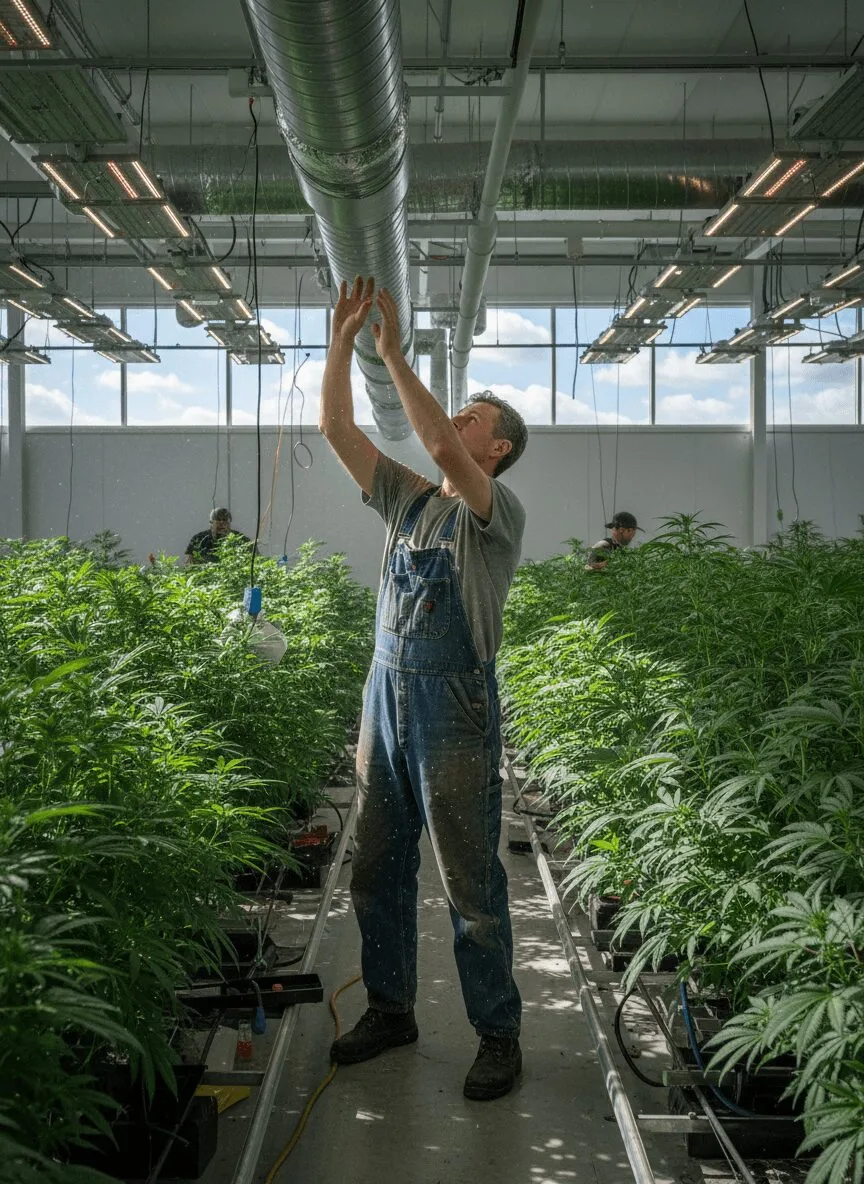
The cannabis boom shows no sign of slowing, but with rapid growth comes greater responsibility. As more operators expand, grow facility liability marijuana is emerging as a hot topic—triggered by both legal action and the evolving regulatory landscape. Operators face questions surrounding employee safety, insurance, and the real-world risks that come with running a busy grow house. Recent headlines make this more than theory; it’s an urgent issue for everyone in the industry, from cultivators and contractors to investors and policymakers. Let’s break down why this matters and what every cannabis facility needs to know.
The Regulatory and Legal Roots of Grow Facility Liability Marijuana
The legal cannabis industry keeps growing, with more states legalizing and expanding rules to cover everything from cultivation to worker safety. According to the CDC’s NIOSH Cannabis page, marijuana cultivation brings unique occupational hazards that require clear safety protocols. States like Colorado, California, and Missouri have issued guidelines to prevent on-site accidents and exposures, reinforcing the importance of compliance regarding air quality, training, and reporting workplace incidents.
Changes in regulatory approaches, such as those seen in Arizona’s evolving recreational marijuana program, show how adapting legislation is pivotal in safeguarding both businesses and workers. But as business accelerates, many facilities struggle to adapt their safety processes for large-scale operations, opening the door to liability for accidents like slips, falls, or, as recently highlighted, exposure to cannabis dust. Operators are expected to uphold strict standards or risk legal consequences. For both workers and employers, understanding these standards is now a fundamental part of doing business in cannabis.
Accident in the Headlines: Legal Action Hits a Missouri Grow Facility
The conversation about grow facility liability marijuana ramped up after a contractor suffered a serious injury due to marijuana dust exposure inside a major Missouri cannabis operation. This event, covered in detail by Missouri Lawyers Media, centered on a maintenance worker who was reaching for HVAC components in an active cultivation area when airborne cannabis dust triggered respiratory distress. Despite wearing basic protection, the worker sustained lasting injuries, leading to a lawsuit that highlighted both employer obligations and gaps in industry best practices. The verdict found the facility liable for failing to follow required safety procedures and adequately warn contractors about airborne hazards, resulting in significant financial damages. This case sets a precedent, signaling that courts are holding cannabis facilities accountable just like mainstream businesses, especially as the sector becomes more regulated and mainstream. In the wake of similar legal challenges and heightened enforcement, industry observers have drawn parallels to growing pains experienced during major cannabis busts in places like Monterey County.
Insights, Lessons, and a Pro-Cannabis Perspective
This incident has sent ripples through the industry, raising important questions about everyday worker safety and where liabilities start or stop. Leading cannabis attorney Rachel K. Gillette of Leafly notes, “As cannabis becomes an established industry, operators must prioritize lawful, safe work environments, or risk lawsuits that can jeopardize their business.” Similarly, Cannabis Business Times reports that transparent safety training and documented hazard communication are now expected as the legal baseline in cultivation sites.
- Many facilities already lead the way in safety standards, making this case a wake-up call, not a condemnation.
- Proper personal protective equipment (PPE), training, and clear signage minimize risks and are already best practices among responsible operators.
- This legal action encourages collaboration between regulators, business owners, and insurance providers to strengthen social acceptance and industry reliability, echoing how greater openness and education can foster understanding, as discussed in initiatives reshaping cannabis culture in education.
It’s easy to focus on negative headlines, but the majority of cannabis businesses are committed to compliance and worker safety. If anything, this ruling incentivizes everyone to get serious about safety documentation and proactive hazard management: win-win for employees and employers alike.
The Road Ahead: Safe, Sustainable Cannabis Grows
The future of grow facility liability marijuana is bright, with smart operators refining their protocols and embracing transparency. As state and federal rules evolve, the industry’s commitment to workplace safety will help ensure smoother operations, fair legal treatment, and ongoing acceptance from skeptical outsiders. NORML highlights public support for responsible, regulated cannabis businesses. By investing in compliance, staff training, and risk reduction, cultivators aren’t just avoiding trouble—they’re building a stronger, more respected cannabis industry for all.
Originally reported by: molawyersmedia.com


1 Comment
Pingback: PA cannabis legalization 2026: Is Pennsylvania Ready for Change?