Arizona recreational marijuana program: What you need to know
The Arizona recreational marijuana program is celebrating a milestone, marking five years since voters said “yes” to legal adult-use cannabis. With business booming, shifting industry trends, evolving regulations, and vibrant local cannabis culture, this program impacts thousands across the state. For consumers, business owners, and policymakers alike, understanding the highs, lows, and new rules in Arizona’s emerging market is more important than ever. This guide dives deep into the latest developments, key legal issues, expert insights, and what the future may hold for marijuana in Arizona.
Background: The Rise of the Arizona Recreational Marijuana Program
Arizona’s cannabis journey has taken massive leaps in a short time. In November 2020, voters passed Proposition 207, known as the Smart and Safe Arizona Act, legalizing recreational marijuana for adults 21 and up. This move made Arizona one of the first states in the traditionally conservative West to embrace full legalization, following in the footsteps of states like Colorado and California (The New York Times). The Arizona recreational marijuana program is regulated by the Arizona Department of Health Services (ADHS), which oversees everything from dispensary licensing to product safety testing. Since legalization, the state has enacted strict rules for sales, THC limits, packaging, and advertising. Local governments can still regulate or ban dispensaries, but statewide, the legal market has grown rapidly, spawning hundreds of storefronts and delivery services. Tax revenue from cannabis sales funds public health, infrastructure, and community projects (Arizona Governor’s Office). As of the fifth anniversary, Arizona joins a national trend toward mainstream cannabis acceptance and sophisticated retail operations (NORML), changing the social and economic landscape. Comparable waves of change and public debate have been observed in other regions where cannabis legality intersects with controversy, as seen in recent incidents of city-centered protests impacting the perception of cannabis.
Key Developments and Issues in Arizona’s Recreational Marijuana Scene
The Arizona recreational marijuana program has reached its five-year anniversary, a major milestone for both the industry and the community. According to KGUN 9 News, Arizona’s dispensaries have sold over $2 billion in recreational cannabis since legalization began, supporting thousands of jobs statewide. Prominent local dispensaries like The Flower Shop and Harvest House of Cannabis have expanded rapidly, adapting to consumer demand by offering everything from pre-rolls to edibles and vapes.
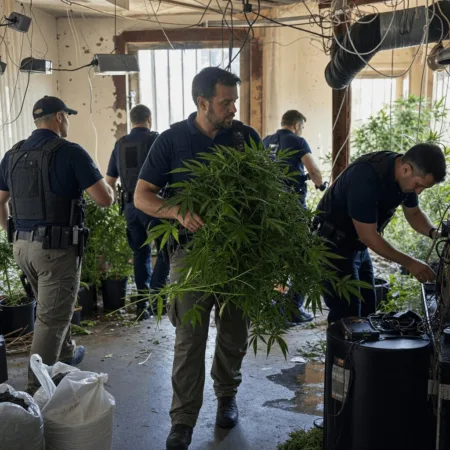
Recent data from the Arizona Department of Revenue show that cannabis tax revenues have consistently contributed more than $100 million per year. These funds bolster community colleges, public safety, and health initiatives, directly benefiting local residents (Arizona Department of Revenue). However, the program hasn’t been entirely smooth sailing, as regulators have grappled with issues such as product safety recalls, unlicensed cultivation, and confusing zoning codes for new dispensaries. There have also been efforts to expunge certain nonviolent cannabis convictions, but advocates argue the system remains cumbersome and slow, leaving many residents waiting for relief (Marijuana Moment). Comparable debates regarding access and stigma in educational environments, where open discussions about cannabis are gaining ground, mirror these local Arizona reactions—sparking dialogue and change in schools and universities.
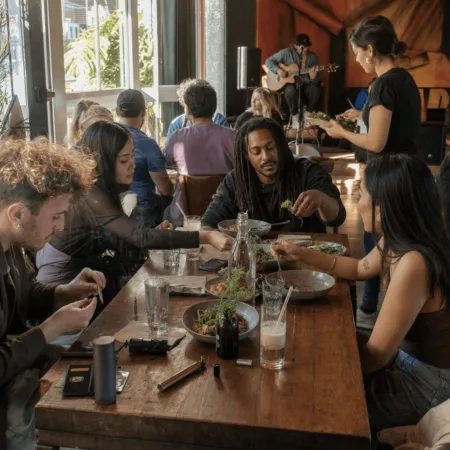
On the ground, community reactions are mixed. Some cherish the newfound freedom, while others express concerns about public use, youth access, and ongoing stigma. Yet, the overall direction is clear: the Arizona recreational marijuana program is here to stay, and it’s influencing every corner of society from economics to culture.
Expert Insights: What the Arizona Recreational Marijuana Program Teaches Us
Industry experts say Arizona’s approach represents the new standard in modern cannabis regulation. The Arizona recreational marijuana program’s blend of public health oversight, consumer access, and tight product safety rules has created a resilient, competitive marketplace. Emily Paxhia, co-founder of Poseidon Asset Management and a frequent cannabis industry analyst, recently shared, “Arizona’s program strikes a balance: it’s robust enough to support innovation but disciplined enough to keep operators in check” (Forbes).
Compared to states with deeply fractured legalization schemes, Arizona has benefited from clear, consistent guidelines. For instance, all products must be tested in state-licensed labs for pesticides, molds, and potency, instilling confidence in both veteran users and newcomers (Marijuana Policy Project).
The complex intersection between cannabis policy and psychology continues to unfold: for instance, consumers navigating between psychological support and psychotherapy could consider the important nuances for mental health as legalization shapes the public health landscape. Of course, challenges remain. Social equity applicants—business owners from communities most impacted by past criminalization—continue to face tough competition from established players. Licensed operators must constantly navigate evolving marketing restrictions, zoning battles, and federal uncertainty. But overall, the Arizona recreational marijuana program is seen as a blueprint for other states, especially those in the Southwest just now exploring legalization.
Looking Ahead: The Evolution of Arizona’s Legal Marijuana Market
The Arizona recreational marijuana program has rewritten the state’s narrative on cannabis, blending cultural change with economic opportunity. As social acceptance grows and lawmakers fine-tune the rules, Arizona is set to become an ever-stronger leader in the national cannabis conversation. Industry forecasters predict further gains in dispensary numbers, tax revenue, and public support over the next decade. According to a Cannabis Business Times market analysis, Arizona’s annual marijuana sales could surpass $1.5 billion by 2027, putting it firmly in the top tier of state cannabis economies.
Legalization has also inspired ongoing reforms in criminal justice and public health. Community leaders and activists continue pushing for improved expungement processes and fair access to opportunity within the industry. Whether you’re a consumer, entrepreneur, or just a curious Arizonan, the future for the Arizona recreational marijuana program is bright—and for many, that’s worth celebrating.
Originally reported by: kgun9.com