





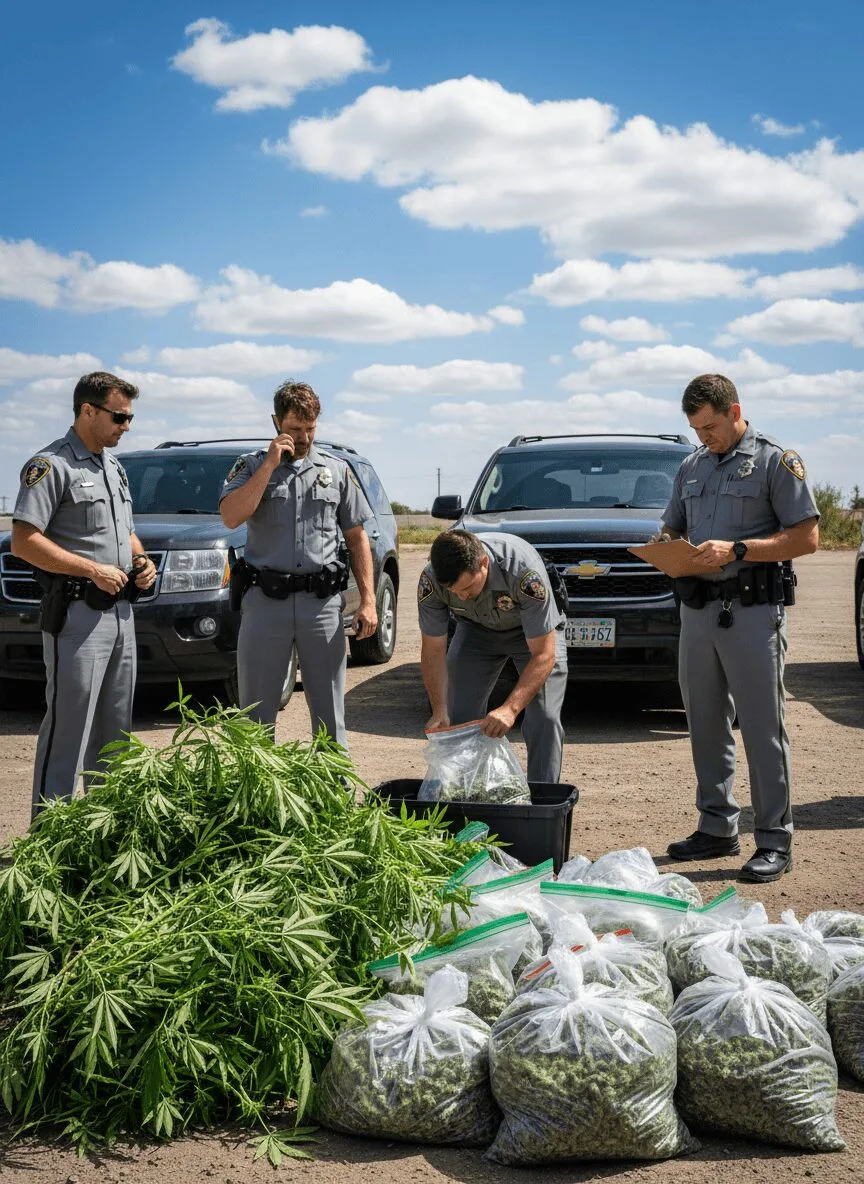
California illegal cannabis seizures skyrocket to $1.2B
If you’ve been following the wild rollercoaster ride of the Golden State’s cannabis scene, you know California illegal cannabis seizures are suddenly making national headlines. With authorities reportedly seizing $1.2 billion in unlicensed weed—an 18-fold jump since 2022—there’s a heated debate bubbling up among growers, patients, and even soccer moms eyeballing dispensary menus. Is this crackdown reshaping the entire cannabis market, or just exposing deeper issues in how we regulate the plant? Let’s break it all down and see why California illegal cannabis seizures are lighting up everyone’s news feeds right now.
Why Are California Illegal Cannabis Seizures Making Waves?
California’s legal cannabis journey has been nothing short of legendary. After voters approved Proposition 64 in 2016, the world expected a bud-filled paradise. But the landscape has grown a bit more complex since then. Licensed businesses face high taxes, dense regulations, and an ever-watchful eye from regulators, while the illicit market never packed up and went home. Industry analyses from the Los Angeles Times show that California’s underground scene still provides more than half of all weed consumed in the state. The state’s Department of Cannabis Control and law enforcement agencies say this dual-market dynamic still shapes every new policy. Recent efforts to curb environmental hazards and unlicensed operations have spurred record-setting California illegal cannabis seizures, amplifying tensions between legal operators trying to survive and regulators aiming for order. Unlicensed markets continuing to thrive mirrors what we’ve seen with five years of Arizona’s recreational marijuana program, where legal versus illicit supply remains a hot topic.
Key Developments: The $1.2 Billion Seizure Spike
According to an official press release from the California Department of Fish and Wildlife (CDFW), California illegal cannabis seizures topped $1.2 billion in value over the last year, marking an 18-fold spike since 2022. These operations included a wild patchwork of busts: covert grows in remote mountains, urban warehouses disguised as stores, and even some elaborate operations linked to organized crime syndicates. The task forces, comprised of CDFW, the Department of Cannabis Control, and local law enforcement, cracked down on nearly 450 illegal grow sites in 2023 alone. They reportedly confiscated more than 180,000 pounds of harvested cannabis, thousands of light fixtures, and industrial-level irrigation systems. At one San Bernardino County raid, ‘pallets of processed product’ filled an entire back lot. According to Cannabis Business Times, these operations also resulted in hundreds of environmental citations for illegal water diversions and pesticide use. This makes California illegal cannabis seizures not just a criminal issue, but an environmental story as well. Major enforcement actions like these are reminiscent of how grow facility liability is becoming a crucial subject nationwide, especially when worker safety and business success are on the line during raids and investigations.
Real Talk: Expert Analysis and Pro-Cannabis Insights
Let’s keep it real, the wave of California illegal cannabis seizures doesn’t paint the complete picture of what’s happening in the market. Many respected voices say this surge is a symptom of deeper problems, not the root cause. As Marijuana Moment noted, “The ongoing dominance of the illicit market is a direct result of excessive taxation and regulatory bottlenecks.”
Industry analyst Amanda Reiman, PhD, told Forbes in a recent interview: “You can’t just enforce your way to a healthy cannabis industry. Without lowering barriers for licensed operators and making the legal market competitive, enforcement just becomes a revolving door.”
Some experts and legacy cultivators argue that oversupply, oppressive state taxes, and out-of-reach compliance costs keep underground growers in business. In fact, regulatory delays, according to NORML, have left many rural producers in limbo for years. These challenges often push skilled cultivators out of the legal space, and into the shadows, where the risk of California illegal cannabis seizures hangs over them like a storm cloud. Ongoing struggles between compliance, enforcement, and consumer safety reflect the complexities seen nationwide, much like the ongoing Pennsylvania cannabis legalization debate that continues to raise questions about regulatory effectiveness and market fairness.
Where Do We Go from Here?
Despite headlines about sky-high California illegal cannabis seizures, this industry is still packed with opportunity. New legislative proposals, such as tax relief for small operators and streamlined licensing, could help close the gap between legal and underground growers. According to Leafly’s 2024 California Cannabis Law Tracker, there’s momentum behind regulatory reform that balances enforcement with education, economic support, and environmental protection. Most importantly, the culture of cannabis in California continues to shift. Public opinion polls reveal a persistent, strong majority of voters who want sensible legalization, practical rules, and a safe supply chain. With smart policies and a focus on equity, California’s massive cannabis market can thrive while shrinking the illicit footprint—and maybe, just maybe, next year’s headlines will be about record-breaking growth on the right side of the law.
Originally reported by: wildlife.ca.gov



1 Comment
Pingback: How Verified Cannabis Fintech Growth Drives Green Check's Surge