





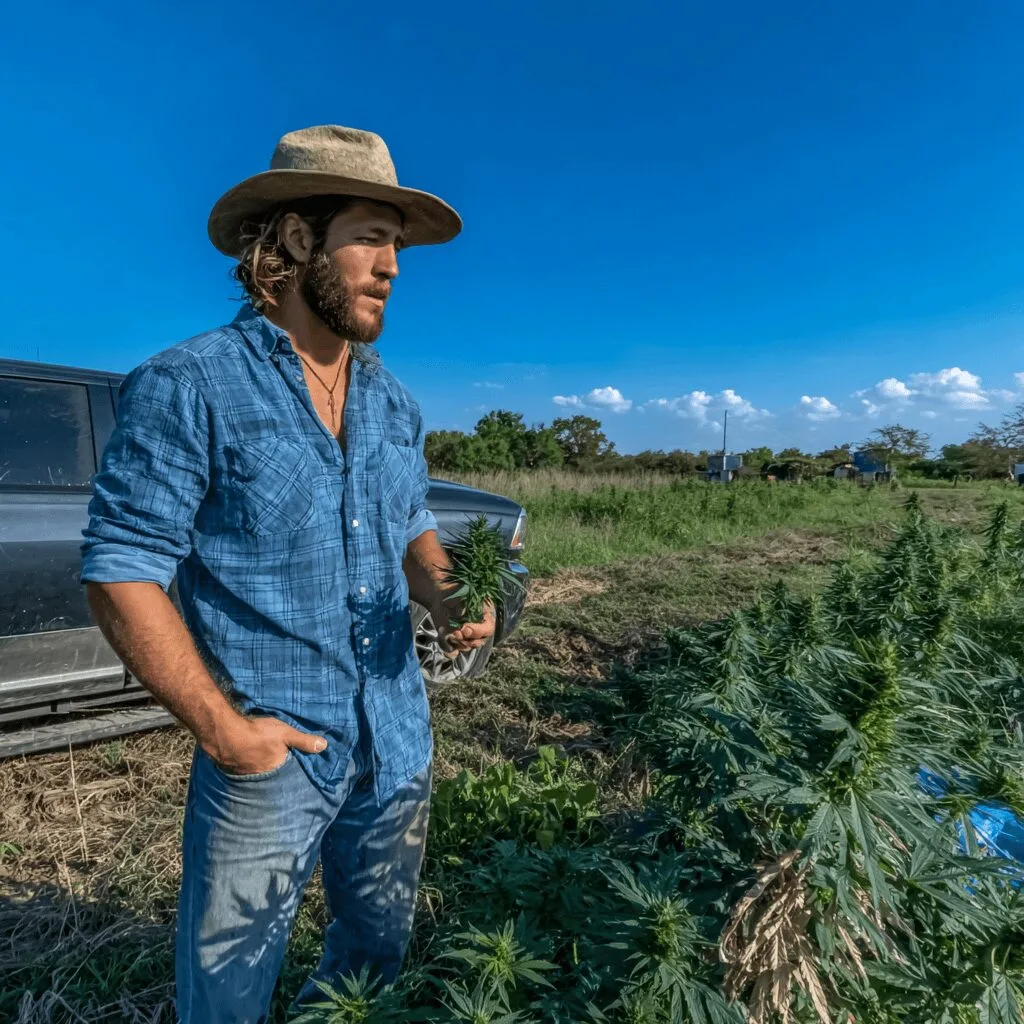
Federal THC ban Texas hemp: The Shocking Industry Fallout
Welcome to ground zero for the Texas hemp industry’s turbulence. Headlines and hashtags across the Lone Star State are exploding as the federal THC ban Texas hemp issue forces farmers, advocates, and businesses to scramble. In 2024, the federal push to ban any trace of THC—even in legal hemp—marks a potential turning point. With livelihoods, innovation, and personal freedoms tangled up in red tape, everyone from small family operations to major processors is feeling the heat. The fallout isn’t just about lost crops; it threatens job security, state revenue, and market diversity. Dive in as we break down what’s happening, why it matters, and where the industry might go next.
Background: The Long, Twisted Road to Legal Hemp, Federal THC Rules
Let’s get grounded in the saga so far. In 2018, the USDA greenlit hemp nationwide through the Farm Bill. The catch? Hemp could only legally contain up to 0.3% delta-9 THC by dry weight. Texas jumped in with its own programs, powering up a wave of new growers, processors, and legal brands, especially as smokable hemp, CBD, and wellness products boomed. Still, federal rules left a tightrope for everyone: even slight THC upticks could turn legal hemp into a Schedule I drug, exposing farmers and retailers to major risks. Political pressure, evolving DEA guidance, and patchwork state enforcement (see Texas Department of Agriculture) kept everyone guessing. Recent events in other states—such as in Michigan, where a hemp THC ban had wide industry impact—highlight that the recent moves to enforce a blanket federal THC ban Texas hemp are not just regulatory tweaks, but threaten to upend the entire balance and erase years of progress. Public sentiment had been swinging toward relaxation, industry education, and consumer safety, but federal crackdowns threaten to stifle Texas’s burgeoning hemp scene before it matures.
Key Developments, Fallout from the Federal THC Ban Texas Hemp
The news hit like a Texas thunderstorm. On November 13, 2025, federal authorities rolled out guidance aimed squarely at zero-tolerance policies for THC content in hemp—no more wiggle room. According to a recent KUT report, this federal THC ban Texas hemp guidance overtly threatens to criminalize otherwise lawful hemp crops as soon as trace THC is detected. Prominent industry economist Dr. Will Fowler, cited in the source, called the policy shift an “extinction-level event.” Major Texas hemp operators like Bluebonnet Botanicals and Lone Star Hemp Collective reported immediate production freezes and layoffs. Many other states are experiencing similar sudden industry disruption, as seen when federal hemp THC restrictions shook up the Kansas CBD and veteran community. Processors faced legal uncertainty, while retailers yanked best-selling products from shelves, hurting supply chains statewide. The Texas Department of Agriculture issued stern warnings and began collaborating with law enforcement. Meanwhile, crop insurance providers and lenders started pulling support, citing regulatory instability. Farmers lost two seasons’ worth of investment overnight, while advocacy groups rushed to file legal challenges and urge federal review.
Expert Analysis, Broader Impact, the Cannabis Advocate Take
So, what does the federal THC ban Texas hemp really mean? It’s like turning back time to the days before the Farm Bill revolution. “A zero-tolerance approach to THC in hemp is wildly out of step with science and economic reality,” argues Dr. Sasha Keller, lead cannabis policy researcher at the National Organization for the Reform of Marijuana Laws (NORML). According to MJBizDaily industry reports, trace amounts of THC often occur naturally due to weather stress, genetics, or harvest timing. The new rules not only punish honest farmers for what’s essentially an act of nature, they also risk criminalizing mainstream CBD and wellness businesses. Melinda Parks, owner of Austin’s Green Oasis Hemp, says, “This kind of ban will force us to shut down our family farm. The risk is too high, and consumers lose trusted sources.” The crackdown could deter investment, drive underground sales, and slow research on hemp’s benefits. Regulatory experts warn of a ripple effect—job losses, reduced tax revenue, and a chilling effect on agricultural innovation. These consequences are not isolated to Texas, as the powerful grassroots pushback sparked by Texas veterans affected by the hemp THC ban underscores the widespread challenges tied to strict enforcement. Yet, momentum for federal hemp reform is stronger than ever, as policy groups rally lawmakers and consumers demand clarity. Balanced regulation, not blanket bans, would promote safety, integrity, and market fairness.
Future Outlook: Hope Remains for Texas Hemp & Cannabis
Despite uncertainties from the federal THC ban Texas hemp, most industry insiders haven’t lost hope. The boom in consumer interest, ongoing research, and support for flexible rules keep the movement alive. Advocacy coalitions like the Texas Hemp Coalition are mobilizing to protect farmers, educate the public, and push for rational policy—inspired by the larger wave of cannabis acceptance across the US. Even as federal enforcement ramps up, states are flexing their own muscles to defend local industry, adopt innovative testing, and build smarter risk-sharing frameworks. As economists point out, prohibition rarely works long-term: adaptation, grassroots activism, and pragmatic negotiation often win out. In the next few years, look for legal battles, policy tweaks, and new products to keep Texas hemp alive and kicking. For anyone passionate about plant medicine or small business, this fight is far from over.
Originally reported by: kut.org


