





Michigan hemp THC ban: What it means for cannabis industry
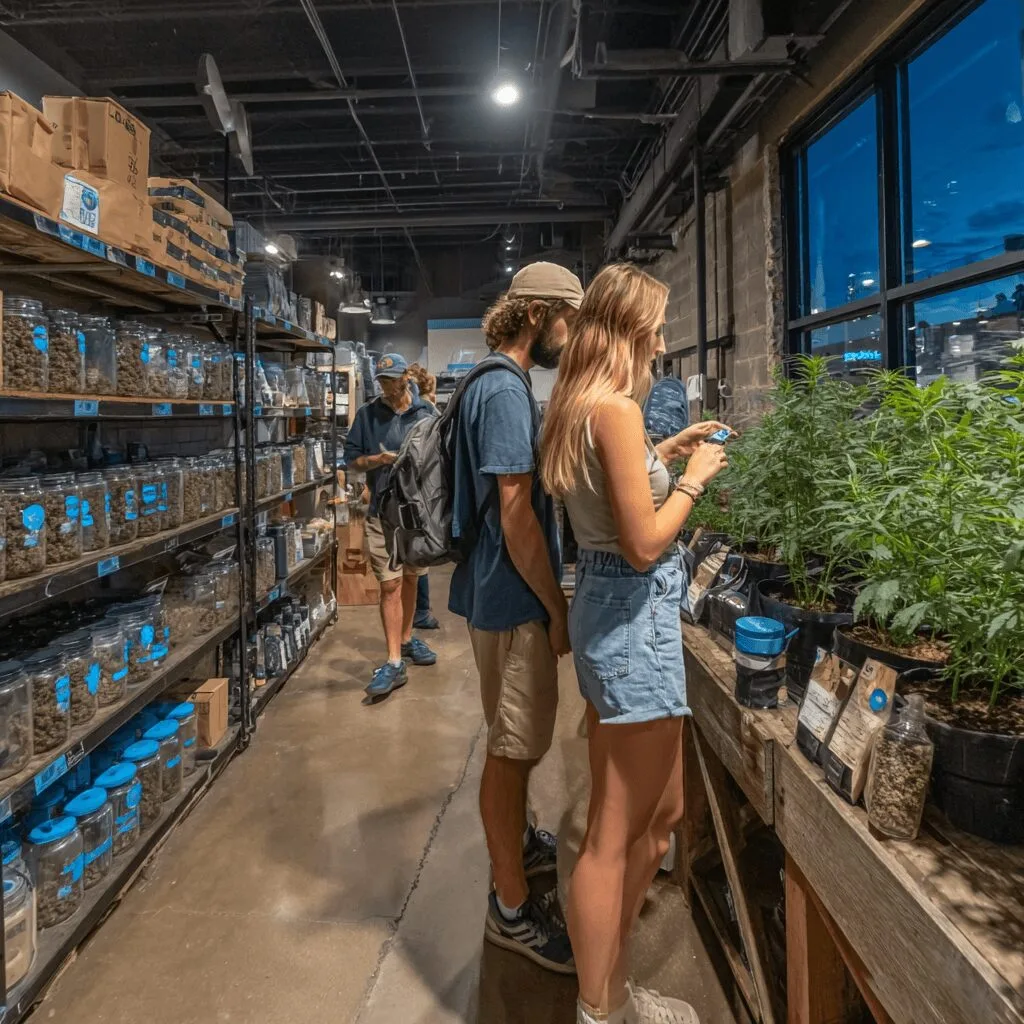
The buzz in Michigan’s dispensaries is louder than ever as the Michigan hemp THC ban sweeps across the state. This move, fresh out of legislative session, directly impacts how consumers and businesses approach both hemp and marijuana products. With new regulations forcing hemp-derived THC items off shelves, the entire cannabis scene is adjusting in real-time. Dispensary owners, regular customers, and casual enthusiasts are all watching closely, wondering how this Michigan hemp THC ban will shape the future of their local cannabis culture, product availability, and industry economics.
The Roots of the Michigan Hemp THC Ban: Regulatory Context & Industry Background
Michigan’s cannabis industry isn’t new to plot twists. Years of evolving state and federal law, along with mounting consumer demand for premium cannabis, set the stage for rapid industry shifts. The Michigan Cannabis Regulatory Agency (CRA) has led licensing efforts since the 2018 legalization of recreational marijuana, enforcing detailed compliance standards on in-state operators. Meanwhile, the U.S. Food & Drug Administration wades through uncertainty regarding cannabinoids, especially those derived from hemp.
After the 2018 Farm Bill, which descheduled hemp below 0.3% delta-9-THC, hemp-derived cannabinoids like delta-8-THC and delta-10-THC quickly filled shelves—a legal loophole exploited by creative manufacturers. But as Ganjapreneur reports, fears of unregulated mind-altering substances and market confusion led to calls for reform. The competing interests of the legacy marijuana sector (subject to tough regulations and high taxes) and hemp-derived product makers (operating with fewer guardrails) created fierce debate among stakeholders, echoing similar turmoil now seen in agricultural states where questions arise about what federal hemp legality means for farmers in 2024. The result? The landscape was ripe for a move like the Michigan hemp THC ban.
Key Developments: When Hemp THC Crashed Out
On March 19, 2024, state lawmakers passed legislation effectively banning all intoxicating hemp-derived THC products from unlicensed retail channels. According to Crain’s Detroit Business, the Michigan hemp THC ban struck just as sales of products containing popular cannabinoids—delta-8, HHC, and more—peaked. Dispensary supply chains scrambled as the new law demanded immediate removal of these items from non-licensed cannabis stores and smoke shops, mirroring upheaval across other states as hemp farmers have faced shutdowns and uncertainty with shifting regulations. Market leaders like Platinum Hemp and local favorites in Ann Arbor were forced to pivot overnight. Products such as vape cartridges, gummies, and tinctures based on hemp-derived THC were pulled from shelves, placing significant strain on business models built around hemp’s legal gray area. The state’s updated compliance notices clarified that only marijuana licensees may supply products exceeding the 0.3% THC threshold, blocking direct-to-consumer sale of most intoxicating hemp items in convenience stores, gas stations, and wellness shops. The impact rippled not just through supply chains, but also into how Michigan businesses educate, and retain, their core customers.
Expert Analysis & Insights: What This Means for Michigan and Beyond
No surprises here, the Michigan hemp THC ban is reshaping the industry in decisive ways. First, it levels the regulatory playing field. Unlicensed hemp sellers exploited gaps in oversight, undercutting licensed cannabis shop prices. Second, it protects consumers—at least that’s the official stance. According to MJBizDaily, “The new hemp THC rule puts product safety back in the spotlight. Lab testing, not just marketing, will drive consumer choice,” said Jena McLean, legal analyst with the market intelligence firm New Frontier Data.
But it’s not all clear skies, some medical users and wellness seekers depended on hemp-derived THC for affordable relief. Industry experts point to a nationwide trend: states from New York to California now struggle with patchwork regulation of hemp cannabinoids (NORML Analysis). As Michigan moves to protect licensed cannabis, residents notice fewer cheap hemp-based highs, but potentially higher product safety and transparency. The market now has a shot at greater legitimacy, though price-sensitive consumers may feel the pinch—much like recent discussions questioning if the hemp industry gold rush is truly over for stakeholders nationwide.
Looking Ahead: Cannabis Culture Remains Resilient
Here’s the upside: the Michigan hemp THC ban could push the state’s cannabis culture to new heights of safety, innovation, and legitimacy. Consumers may lose some low-cost alternatives, but they’ll also get more consistent, lab-tested, and traceable products—hallmarks of a maturing market, as Leafly notes. Expect the major players to double down on quality, education, and community-building as they adapt to the ban. Social perceptions of cannabis are shifting from stigma to mainstream acceptance, thanks to clearer rules and responsible business practices. It’s a classic Michigan move—turning challenges into fresh opportunity, and giving local cannabis a shot at setting the gold standard for other states to follow.
Originally reported by: crainsdetroit.com



2 Comments
Pingback: Federal Hemp THC Restrictions: What Kansas Veterans & CBD Biz Face
Pingback: Rochester adult-use cannabis dispensary: Grand Opening News