Federal Hemp THC Restrictions: What Kansas Veterans & CBD Biz Face
The cannabis industry in Kansas is facing a pivotal moment as federal hemp THC restrictions tighten. Business owners, veterans, and consumers navigate a landscape where a minuscule tweak in national policy shakes up livelihoods. If you’re someone who cares about personal wellness, regulatory fairness, or just want to keep up with the shifting hemp wave, this topic hits home now more than ever. We’re diving into why these federal hemp THC restrictions are dominating headlines, what they mean for real people in Kansas, and how the local scene is reacting. Grab a seat, maybe some CBD tea, and let’s unpack this complicated new chapter.
Regulatory Backdrop: Decoding Federal Hemp THC Restrictions in Kansas
Ever since Congress slid the 2018 Farm Bill across the President’s desk, legal hemp has been living in the shadow of federal rules. The federal hemp THC restrictions carved out a precise legal definition: any cannabis plant containing less than 0.3% THC by dry weight. Sounds simple, but the real-world implications ripple through every level of the cannabis chain. From sweeping changes in production standards to local supply chains adapting in real-time—similar to trends seen in markets where hemp laws grow stricter, like in states facing abrupt THC bans—Kansas, always a conservative state when it comes to cannabis, enforces these federal benchmarks with extra caution. Many local business owners have built entire supply chains around this limit, as the Kansas Department of Agriculture frequently reminds. Even so, the rules are shifting beneath growers’ feet. Regulators now focus not just on raw plants, but also finished oils, tinctures, and edibles, sending waves of uncertainty through the market. Meanwhile, the Food and Drug Administration continues to study CBD oversight, leaving a regulatory gray area for states to fill. Anyone trying to run a compliant business here knows the government’s interpretation of federal hemp THC restrictions can make or break a company overnight.
Key News: Kansas CBD Businesses and Veterans Brace for Federal Hemp THC Restrictions
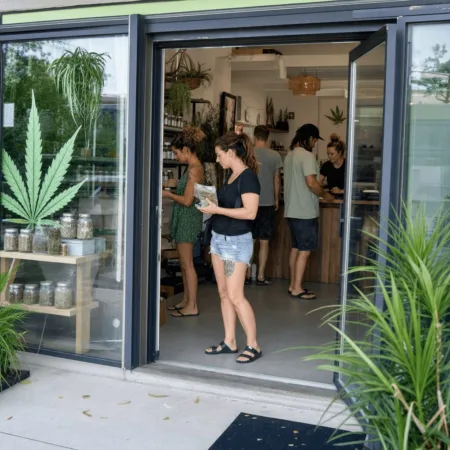
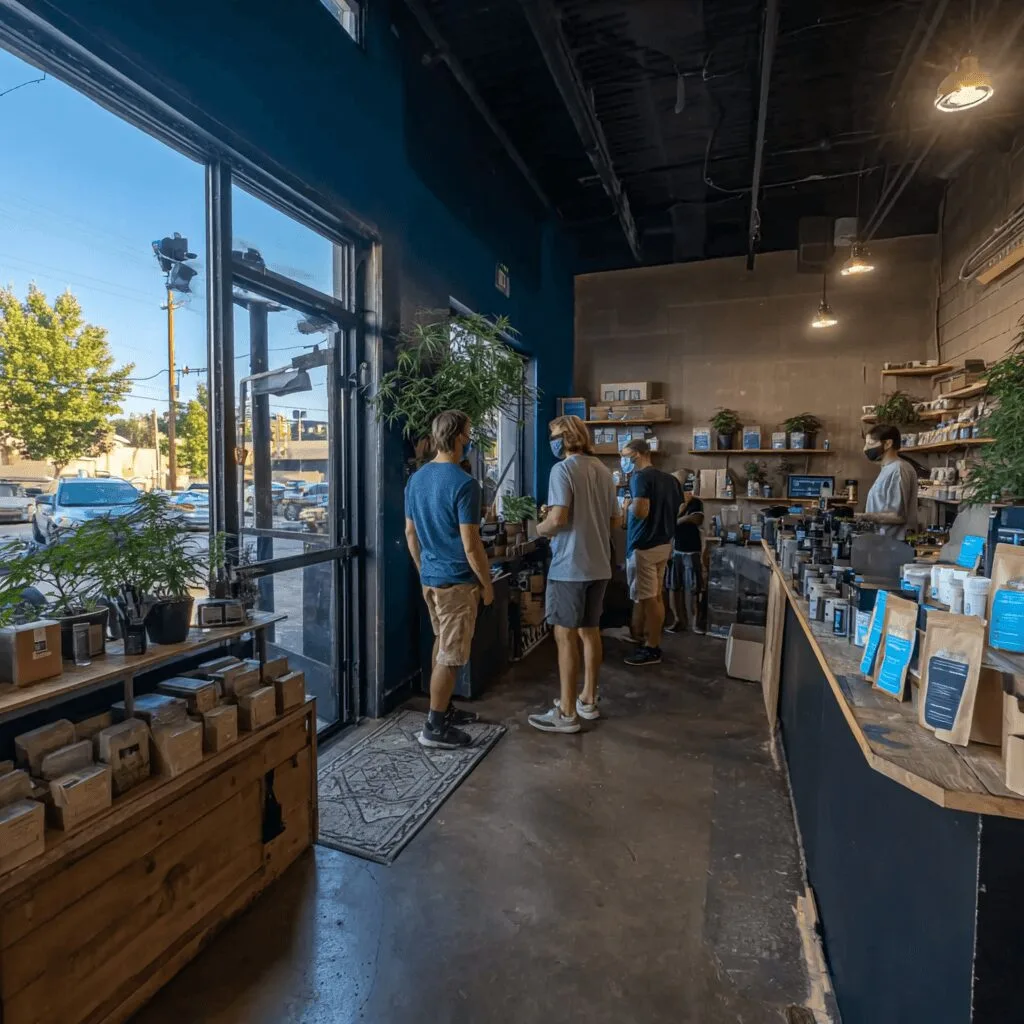
As reported by KCTV5 News, November 2025 delivered a gut punch to Kansas’s CBD sector. New federal hemp THC restrictions threaten to reclassify some popular hemp products as illegal, essentially booting them from shelves across the state. Local entrepreneurs, like Prairie State Relief’s owner Jenna Callahan, suddenly face compliance costs and mounting anxiety. Retailers scrambled to audit inventory, fearing their bestsellers would fall above the newly scrutinized 0.3% THC limit—at least when measured in real-world, not theoretical, lab conditions. The burden struck especially hard for veteran-owned businesses. Army vet Tom R. describes worrying about whether his shop’s “relief tinctures” might tip over the line due to changing federal definitions. With tighter laws across the country causing similar issues, some veterans in Texas sparked a powerful grassroots pushback when access was threatened. Since many veterans prefer plant-based CBD for pain management, tighter rules risk cutting off their access. Meanwhile, according to respected legal analysts at NORML and MJBizDaily, a wave of new legislation could soon ban (or at least tightly restrict) most psychoactive hemp derivatives—not just Delta-8-THC but also full-spectrum, low-THC CBD oils previously seen as compliant. For everyday Kansans, especially veterans, the domino effect means fewer choices and possible price hikes as companies overhaul or shut down supply lines to match unclear definitions of federal hemp THC restrictions.
Expert Takes: What Federal Hemp THC Restrictions Really Mean for the Industry
These developing federal hemp THC restrictions could mark a make-or-break moment for the CBD landscape, not just in Kansas but nationwide. According to industry insiders interviewed by Hemp Grower, the real issue isn’t just the 0.3% threshold, but how it’s tested. The THC level in a hemp plant can spike from one sunny afternoon or from how a product is extracted—a logistical nightmare for growers aiming for consistency. “It’s like baking bread where a 0.01% change in yeast gets you arrested,” jokes one cultivator. But the laughter hides genuine concern.
“Federal hemp THC restrictions that ignore natural variation strangle innovation and risk public trust,” notes Dr. Amanda Lewis, senior analyst at New Frontier Data.
Veterans, who rely on certain products for everything from chronic pain to PTSD relief, are particularly vulnerable to these disruptions. Recent shutdowns in nearby states have highlighted the uncertainty farmers face when their local hemp industries are threatened or closed down. An Army vet and advocate, quoted by Leafly, expressed frustration: “We fought for this country but can’t get easy access to a product safer than prescription opioids?” These policies don’t just shape markets—they shape lives, and sometimes in the most frustratingly ironic way.
This regulatory tension pushes many small players out, stifling both innovation and local economic growth in places like Kansas, where the cannabis scene is built on personal relationships and community trust. Federal hemp THC restrictions, rather than protecting consumers, sometimes serve up more confusion and fewer options, according to experts at Forbes. As the rules evolve, so too must the industry’s advocacy and educational efforts, keeping real patient needs front and center.
The Road Ahead: Hope, Hustle, and Regulatory Progress
If there’s one thing I’ve learned from this wild ride, it’s that the Kansas CBD industry—and the veterans who count on it—has grit. Yes, the current wave of federal hemp THC restrictions creates headaches and uncertainty. Still, every hurdle clears the path for smarter advocacy, cleaner products, and healthier debate. History shows that public sentiment on cannabis keeps shifting in the direction of acceptance and reasonable regulation (see Pew Research Center). The conversation won’t end with this year’s federal moves. Expect more scrutiny, science, and stories about hemp-based wellness hitting both local Kansas news and the national stage. And whether you’re a canna-curious newcomer or an old-school advocate, staying informed—and vocal—makes all the difference. The roots of the industry grow deeper every time communities, like those in Kansas, adapt together in the face of federal hemp THC restrictions.
Originally reported by: kctv5.com