




EBCI Tribal Council cannabis decision shakes Qualla board
The EBCI Tribal Council cannabis decision just sent ripples through the close-knit Native American and North Carolina cannabis communities. We’re seeing historic moves right inside the tribal government leadership as the powerful Qualla Enterprises Board faces suspensions. This moment matters for anyone watching tribal economic growth, cannabis legalization battles, or the shifting social climate around this vital industry. The EBCI Tribal Council cannabis policy isn’t just about business—it’s a symbolic test of sovereignty, transparency, and the future of cannabis on tribal lands. Let’s break down what’s happening, why it matters, and what comes next for cannabis in Cherokee country.
Background: The EBCI Tribal Council Cannabis Journey and Context
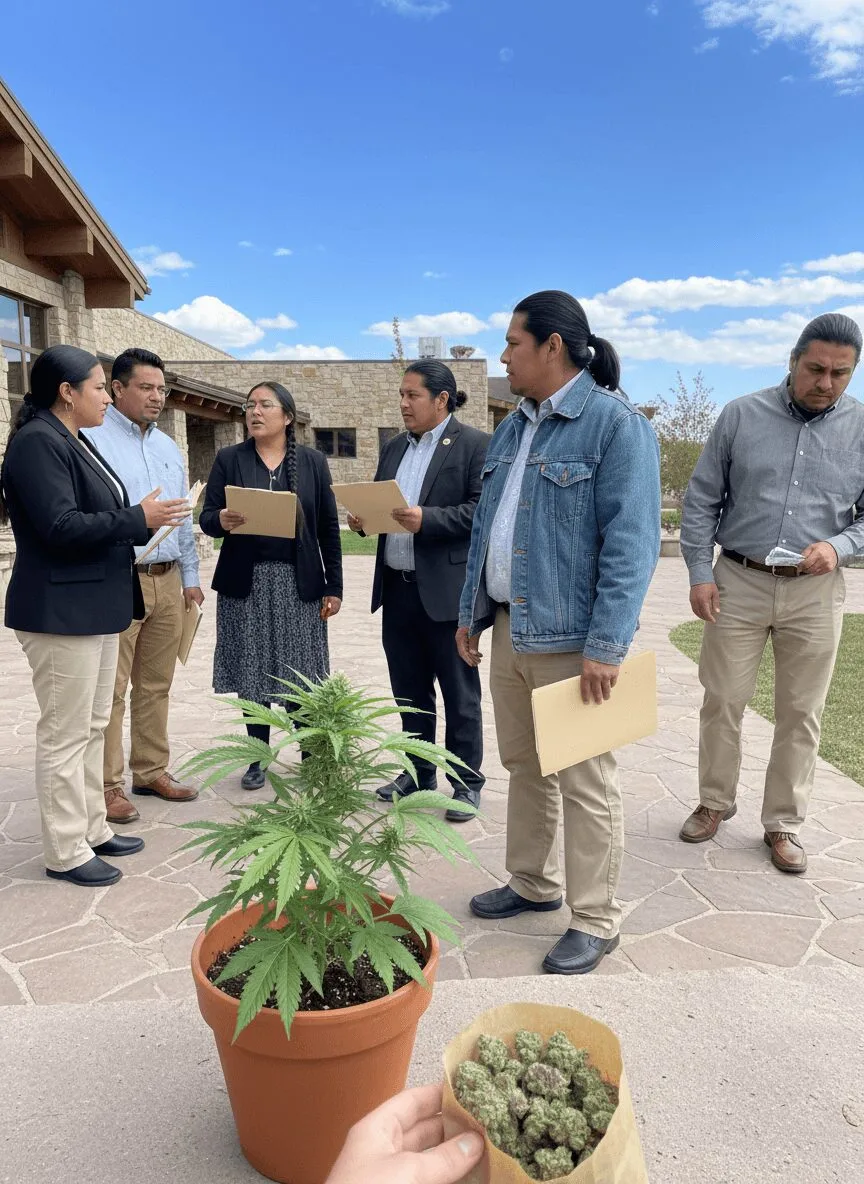
The Eastern Band of Cherokee Indians (EBCI) has become a bold player at the forefront of tribal cannabis law, moving faster than many states in shaping access and economic opportunity. This tribe, rooted in the Qualla Boundary, developed its own regulatory framework after federal policies shifted in 2013 with what’s known as the Cole Memorandum, issued by the U.S. Department of Justice. That document gave tribes, for the first time, leverage to consider their own cannabis rules without immediate federal interference. Other communities have had similar watershed moments—such as Sioux County’s well-publicized case, showing how complex local enforcement and tribal sovereignty can be—illustrated by recent incidents involving marijuana citations.
Fast forward, the EBCI Tribal Council cannabis vote in 2021 greenlit medical marijuana on tribal land, outpacing North Carolina by a mile. Cherokee leaders moved quickly, creating Qualla Enterprises LLC to oversee operations (see Tribal Tribune). They’ve drafted rules around growing, vending, and patient access, working within a sovereign legal bubble that frustrates and fascinates policy hawks everywhere. But, of course, that freedom comes with constant pressure for oversight, transparency, and, as evolving state and federal law—including rules about home cultivation detailed in discussions like why personal grow rights matter—can intensify tribal debates, settling disputes inside the tribe’s own house.
Key Developments: What Happened with the EBCI Tribal Council Cannabis Shakeup?
So, what just went down? On June 6, the EBCI Tribal Council voted to suspend every member of the Qualla Enterprises Board—the very folks running the first legal tribal cannabis venture in the Southeast. They went further, removing the Board’s chairperson altogether, citing an ongoing investigation and serious concerns about operational transparency, accountability, and possibly compliance shortfalls (detailed in WLOS News reporting).
The council isn’t just flexing, they’ve called for a full audit, with public pressure rising after internal memos hinted at missing documentation, unclear business deals, and confusion over cannabis production quotas. Recent shakeups across the industry—such as the highly publicized bankruptcy of a major multi-state cannabis operator—highlight how sudden governance and financial oversight issues can arise. According to the official minutes (see EBCI Tribal Council records), these actions are temporary, pending completion of the investigation. For EBCI Tribal Council cannabis policy, this drama shows how rapidly things can shift when governance meets green rush realities.
- June 6, 2024: EBCI suspends full Qualla board, chairperson forcibly terminated.
- Audit and investigation underway, focusing on business operations and legal compliance.
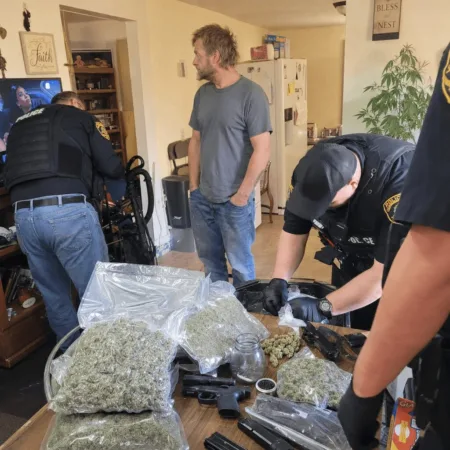
- Wider tribal community calls for extra transparency and controls, especially as recent law enforcement events, such as notable regional drug busts, have attracted media scrutiny.
Expert Analysis & Cannabis Advocate Views on the EBCI Tribal Council Cannabis Shakeup
This isn’t the first time governance growing pains hit new cannabis markets, but the spotlight on the EBCI Tribal Council cannabis decisions is intense. With Cherokee leadership caught between honoring tradition, maximizing economic opportunity, and ensuring ultra-clean governance, they face real-world pressure the rest of the cannabis industry should study closely.
Dr. Amanda Reiman, a noted cannabis policy scholar, once said in Filter Magazine: “Tribes navigating cannabis law must walk an extraordinary tightrope: balancing sovereignty, community trust, and market realities, all while under federal, state, and internal scrutiny.” That friction is crystal clear in today’s Cherokee news cycle.
Regulatory cracks like these often surface as operations expand quickly in unpredictable markets. According to MJBizDaily, tribal cannabis businesses experience pressure to deliver both economic impact and public accountability, magnifying the fallout when governance is rocked—even temporarily. These shakeups aren’t signs of failure, but rather evidence that tribes are serious about self-correction and reputational health. The EBCI’s actions show a maturing industry—learning from bumps, not burying them, particularly significant as developments like emerging labor rights standards reshape the conversation about accountability and worker protections industry-wide.
Looking Ahead: Strength, Growth, and Evolving Norms for EBCI Tribal Council Cannabis
What does all this mean for folks rooting for safe, regulated cannabis and tribal sovereignty? There’s every reason to stay optimistic: bold tribal actions raise the bar for transparency, economic justice, and cultural respect. If this housecleaning results in clearer practices, everyone wins—patients, policymakers, and the EBCI’s place at the national table.
The EBCI Tribal Council cannabis journey is part of a bigger trend toward legitimacy and local control in the cannabis space, as seen with other successful tribal programs (referenced by Cannabis Business Times). Expect more policy refinements, more market maturity, and—when the dust settles—a model that could inspire Indian Country and U.S. regulators alike. The cannabis community is watching, learning, and, honestly, hoping every major player in the Southeast takes notes on how to get it right.
Originally reported by: wlos.com

1 Comment
Pingback: new york adult-use cannabis licenses: Latest Approvals & Insights