Shocking Lowell drug bust: Cocaine, Marijuana & Weapons Seized
The recent Lowell drug bust is making headlines—and for good reason. As cannabis culture grows nationwide, any legal misstep grabs attention. Police actions like this are hotly debated. Here, we break down why this event matters, how it reflects current trends, and what it signals for Lowell’s future cannabis scene. If you care about the cannabis world, legal reform, or evolving public attitudes, you’ll want to know the facts and angles on the Lowell drug bust.
The Cannabis Landscape: Regulation, Law, and Social Change in Lowell
Massachusetts has taken a leading stance on cannabis reform since legalizing recreational sales in 2016 (Massachusetts Cannabis Control Commission). However, Lowell’s journey has had its complexities, as city lawmakers strive to balance social equity, public health, and law enforcement goals. Recent guidance from NORML highlights a diverse array of local policies that challenge enforcement and public education. Beyond marijuana, stricter regulations surrounding substances like cocaine have resulted in incidents that generate additional legal confusion, such as the recent Lowell drug bust. While acceptance of adult-use cannabis has increased among Lowell residents, enforcement actions against other substances continue to generate debate, reflecting a tense regulatory environment. This situation mirrors larger national debates on fair and effective enforcement of new marijuana laws. According to ongoing surveys reported by Marijuana Moment, Lowell’s community remains receptive to reforms, though concerns intensify with respect to harder drugs and associated policing policies.
Inside the Lowell Drug Bust: Facts, Dates, and Law Enforcement Response
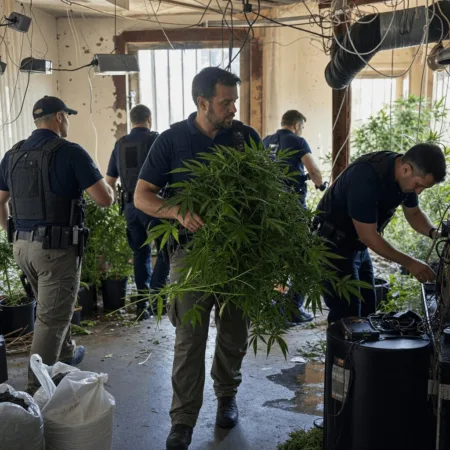
As reported on April 3, 2026, by The Lowell Sun, Lowell Police executed a focused search warrant at a local apartment, leading to the seizure of cocaine in clear bags, prominent cannabis buds, and a loaded handgun. Officers, some in plain clothes, described this operation as ‘routine but significant,’ reflecting the city’s ongoing efforts to address street-level drug activity amid changing perceptions of marijuana. The building’s landlord was reportedly unaware of the resident’s activities. The incident took place centrally, where evolving state and federal cannabis laws frequently intersect. No children were present during the Lowell drug bust, but police have yet to confirm charges or sentencing possibilities—details that often sway public opinion when cannabis appears alongside more strictly scheduled substances. Cases where marijuana and other illicit activities intersect continue to raise complex legal questions, illustrating the challenges faced as laws evolve. This situation also demonstrates the risk that concurrent possession of cannabis, other drugs, or firearms may elevate legal repercussions under current Massachusetts statutes (Massachusetts General Laws Chapter 94C).
Expert Reactions: Lessons, Warnings, and Opportunities for Reform
Many analysts believe this Lowell drug bust sheds light on the profound challenges arising during cannabis legalization. The case captures how blurry regulations can complicate law enforcement and confuse local communities. Rita Hernandez, editor at Ganjapreneur, observes:
“This is proof that we need thoughtful law enforcement, not knee-jerk crackdowns merging soft and hard drugs. Cannabis stigma must be replaced by education, so police and the public don’t conflate cannabis with more dangerous substances.”
Industry observers emphasize smarter policing and a clearer distinction between cannabis and more dangerous substances, with well-known outlets such as Leafly showing that transparent guidelines support better legal and social outcomes. Highlighting the importance of tailoring laws to fit unique state and local contexts, recent updates in other municipalities remind us of the need for nuanced frameworks for cannabis businesses. The Lowell drug bust underlines lingering stigma and the need for continued education, urging communities to focus on true threats and support responsible, evidence-based reforms. According to Filter Magazine, tailored harm reduction strategies are more effective than blanket enforcement measures.
Moving Forward: The Path to Fairness and Progress in Lowell
The Lowell drug bust is a wake-up call. It highlights the need for ongoing cannabis education, nuanced law enforcement, and a commitment to public health over outmoded fear tactics. Experts predict Lowell will adapt, pushing for more tailored policies—not just blanket crackdowns. Legal cannabis is not the same as illicit drug activity, and thoughtful reform can reduce harm, boost tax revenue, and promote social justice. Beyond the drama of police tape and headlines, Lowell’s future depends on open minds and smart policymaking, as emphasized by countless industry voices and advocates (NORML Massachusetts Law Overview). If city leaders listen, Lowell could become a model for how to do it better—for cannabis, for communities, and for everyone touched by changing laws.
Originally reported by: lowellsun.com