





Missouri cannabis labor protections: New union rights revealed
The cannabis industry is quickly evolving, and nowhere is that more obvious than in Missouri. Recent moves in state legislation have brought Missouri cannabis labor protections to the forefront, capturing the attention of workers, business owners, and advocates. These changes are especially significant right now due to ongoing unionization efforts and national trends pushing for fairer working conditions in cannabis. In this article, we’ll break down what’s happening with Missouri cannabis labor protections, why it matters, and what it could mean for the future of cannabis work—both in the Show-Me State and beyond.
The Regulatory Backdrop: Why Missouri Cannabis Labor Protections Matter
The conversation around Missouri cannabis labor protections couldn’t be coming at a more pivotal time. After adult-use legalization, Missouri’s cannabis sector exploded, attracting new businesses and thousands of jobs. But with that growth comes questions about workplace rights, safety, and fair labor practices. Historically, agricultural workers have had fewer union protections, something long-debated in America’s biggest newsrooms. Missouri’s move to redefine cannabis work as non-agricultural shakes up tradition, aligning with evolving labor policy seen across legal markets, as reported by MJBizDaily. Socially, it’s all about dignity: employees in the cannabis sector have faced struggles ranging from low pay to workplace hazards, making robust Missouri cannabis labor protections a major step forward. These regulatory discussions echo the way other states have addressed licensing legal battles that shape workplace environments. Meanwhile, regulatory bodies like the Missouri Department of Health & Senior Services keep a close watch on compliance, adding another layer of complexity.
Key Developments: New Rights and What They Actually Mean
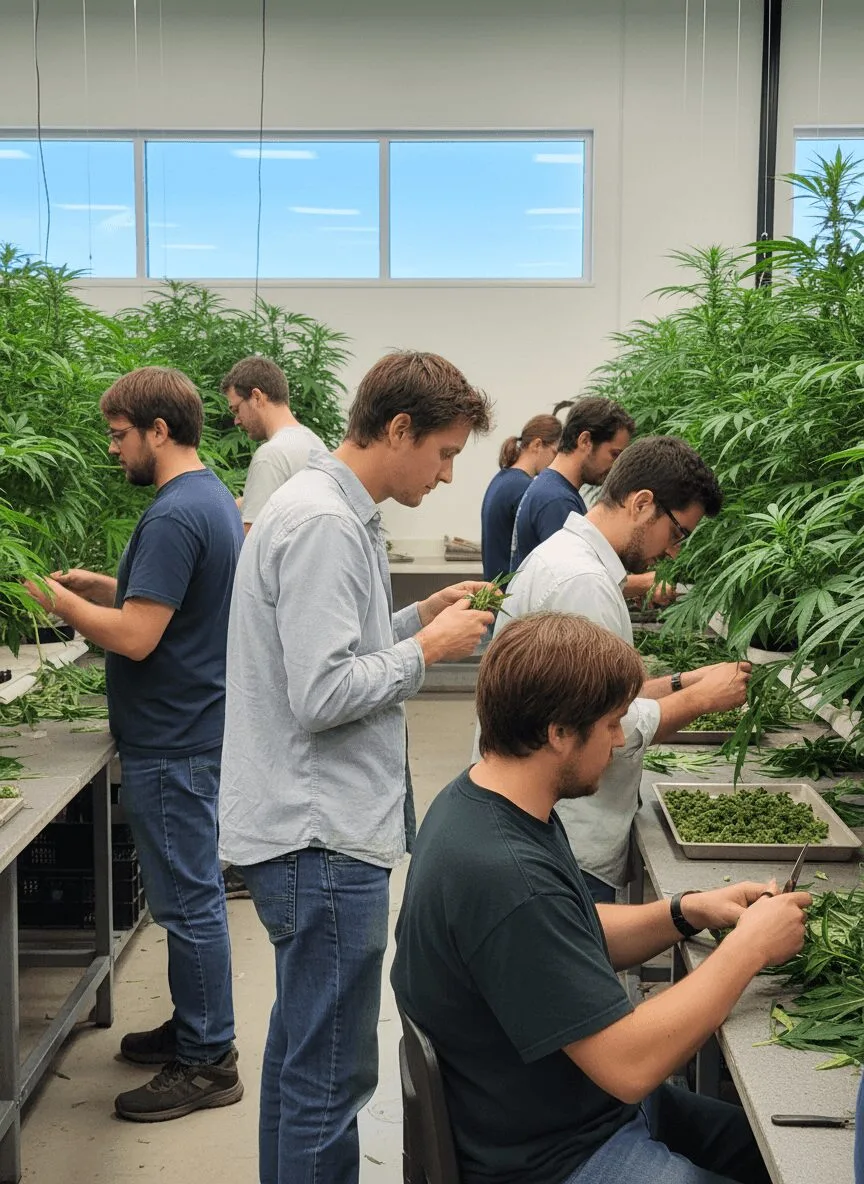
So, what’s changed? As of April 2026, Missouri lawmakers took a bold step by embedding union protections directly into the state’s cannabis code. According to MoGreenway, they included new language in the ICCA (Initiative for Cannabis Commerce Act) that explicitly removes cannabis cultivation jobs from traditional agricultural exemptions. That means workers—everyone from trimmers to cultivators—are granted the full suite of unionization rights typically enjoyed by non-farm labor. This isn’t just a minor tweak, it takes effect immediately, granting cannabis workers a legal path to collective bargaining and the prospect of labor contracts with real teeth. Notably, Missouri-based operators like BeLeaf Medical and Proper Brands have already acknowledged the shifting landscape, with several employee groups reportedly in preliminary talks with state labor unions. Union organizers such as UFCW Local 655 are now ramping up outreach in major Missouri cultivation hubs. Business leaders are paying attention too, navigating how Missouri cannabis labor protections impact staffing, production costs, and compliance strategies. Reports from the National Organization for the Reform of Marijuana Laws (NORML) highlight that Missouri is among the first Midwest states to categorize cannabis workers outside of the agricultural framework, creating a new benchmark for labor policy in the emerging cannabis economy. These moves are similar to the careful regulatory revisions seen in other local cannabis markets considering major amendments.
Expert Analysis & Insights: Why This Shift Is a Big Deal
Let’s get real. Giving cannabis workers stronger union rights doesn’t just feel progressive, it signals maturity in Missouri’s cannabis sector. According to Marijuana Moment, states with robust cannabis labor protections enjoy lower turnover, better workplace safety, and more professionalized operations. Renowned cannabis labor advocate and UFCW spokesperson, Candace Raines, sums it up: “Missouri is setting a new standard for fairness in cannabis. These new labor protections mean workers can finally have a real say in their work lives, like any other industry.” (Source: Weedmaps News). The changes also tie in with national trends, as more states are examining the link between fair labor rights and long-term industry growth. According to a 2024 Leafly industry report, employee retention rates are 20% higher where cannabis unions operate. Missouri cannabis labor protections rise to meet not just local, but national standards. On the flip, critics argue that tightened unionization could push costs up, but supporters (myself included) point to quality, safety, and team morale as real dividends. As states like North Carolina debate when and how to legalize marijuana for broader access, Missouri’s proactive approach stands out as a model for responsible industry growth. After all, what’s a thriving industry without thriving workers?
Looking Ahead: Missouri Cannabis Labor Protections and the Future
With new Missouri cannabis labor protections rolling out, the industry is poised for dynamic—and positive—change. Workers will have a stronger voice. Operators are adapting, but the result is a more stable, reputable marketplace for all. As societal attitudes continue to shift, labor standards like Missouri’s may soon become the rule, not the exception. Even Forbes recently forecast that union contracts could lead to better job satisfaction and higher product quality. Missouri’s move puts it at the vanguard of cannabis industry evolution. As more states take notes, the blueprint is clear: Missouri cannabis labor protections equal a healthier, fairer future for employees and employers alike. Let’s keep watching, advocating, and—most importantly—enjoying the ride.
Originally reported by: mogreenway.com


