



Home Cannabis Cultivation Rights: What You Need to Know Now
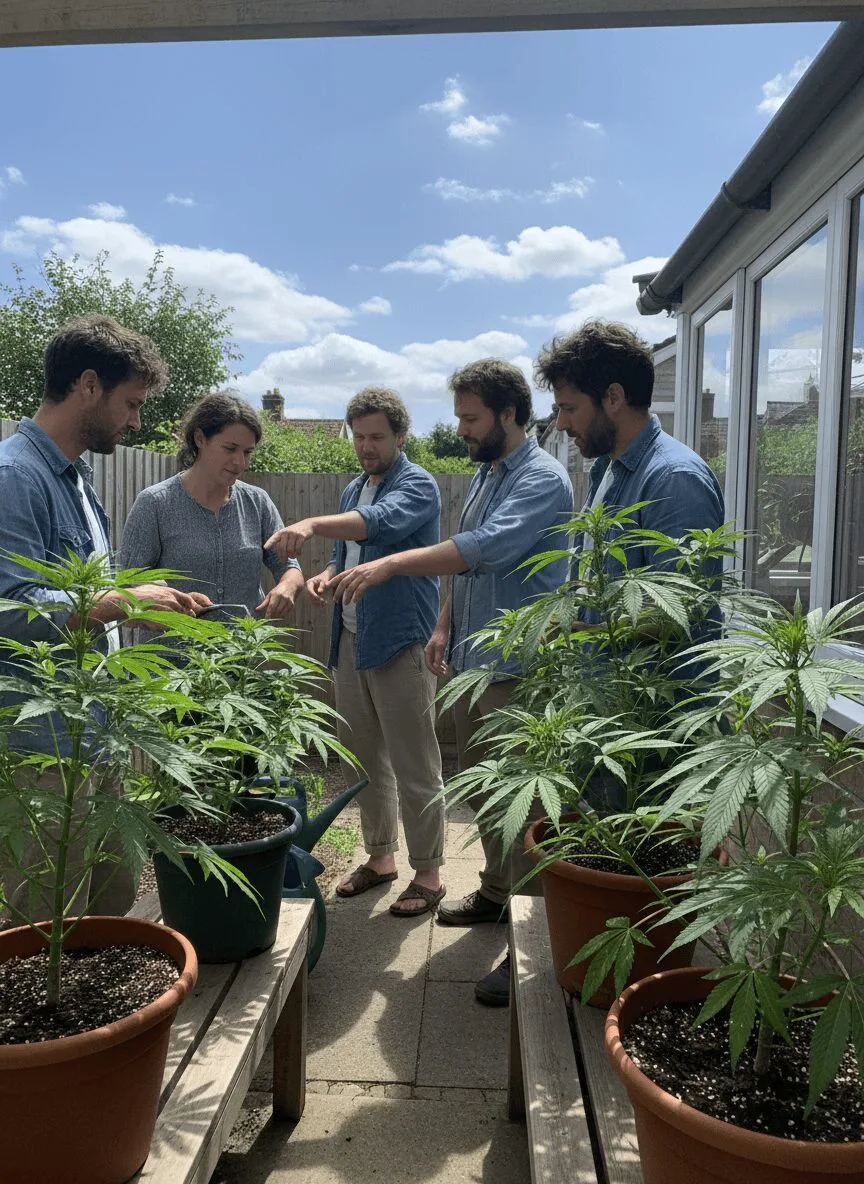
The conversation around home cannabis cultivation rights is lighting up like never before. With legal changes rolling out from coast to coast and consumers demanding more control over their own supply, it’s hard to ignore how critical this issue has become. Whether you’re a seasoned grower or curious about your green thumb’s legal future, it’s time to dig into the facts, controversies, and why advocating for home cannabis cultivation rights really matters today. Expect clear guidance, sharp analysis, and a down-to-earth take on everything you need to know right now.
The Road to Home Cannabis Cultivation Rights, Background & Context
The story behind home cannabis cultivation rights isn’t just about homegrown bud. It’s about broader trends in drug reform, public health, and social acceptance, all moving at lightning speed. According to the latest NORML survey, over 60% of Americans now support legalization, and advocates increasingly demand the right to grow personal-use cannabis at home. State laws vary dramatically, ranging from full bans in some locales to open, regulated home growing in others (take a look at guidance from the Marijuana Policy Project for an updated rundown). Underlying all this are issues of patient access, affordability, and personal freedoms. For many, cultivating at home sidesteps pricey dispensaries and provides reliable medicine directly from the source, with additional implications surrounding regulatory enforcement, reminiscent of situations seen in recent FBI guidance on hemp and marijuana policy. Yet, lawmakers worry about regulatory control, diversion to the illicit market, and enforcement headaches. The push-and-pull between state rights, federal prohibition, and community norms sets the stage for every policy debate to come.
Major Developments & Ongoing Battles in Home Cannabis Cultivation Rights
This year has seen a surge in legislative action around home cannabis cultivation rights. In early 2024, Minnesota became the latest state to legalize home growing, allowing adults to tend up to eight plants, as reported by Leafly. Simultaneously, Massachusetts experienced fierce lobbying as lawmakers debated additional restrictions versus expanding home rights for medical patients (details at MassLive). At the national level, advocates from organizations like the Marijuana Policy Project have redoubled efforts to push for explicit home grow protections in any future federal reform, as highlighted by their active campaigns documented on MPP’s website. Not all is sunshine and seedlings, though. States like Florida and New Jersey still prohibit any home cultivation, leading to public protests and legal challenges from frustrated consumers and patient groups. This tension came to a head in Illinois earlier this year when grassroots activists demanded that the legislature expand home grow beyond medical users, a scenario that has parallels to recent legal challenges to state cannabis licensing in Illinois. The fight continues as courts, lobbyists, and everyday people challenge old restrictions and push for new rights.
Expert Insight: Why These Developments Matter in the Bigger Picture
So why all the noise about home cannabis cultivation rights? The answer is layered, blending patient rights, economic realities, and shifting social values. Home growing is more than a fringe issue; it’s a microcosm of wider cannabis reform. Industry expert Kris Krane, longtime advocate and consultant, summed it up well: “The ability to grow your own cannabis is as fundamental as craft brewing was to beer. It offers personal freedom, security, and resilience in the face of market flaws.” On the regulatory side, states that embrace reasonable home grow rules often see broader public acceptance and smoother industry integration, according to Brookings Institution research. Critics warn of potential diversion, but evidence from Canada and U.S. states with home rights shows minimal negative impact when rules are clear and enforced. Patients, especially, benefit with more affordable access and tailored strains. From a policy standpoint, local-level cannabis zoning reforms, such as those described in recent updates to zoning ordinances, also highlight how implementation of home rights can be effectively balanced with community interests. As the cannabis sector matures and faces ongoing consolidation, championing home rights could check monopolistic tendencies and drive quality up for everyone.
Looking Ahead: Home Cannabis Cultivation Rights & the Future
As we look ahead, momentum is clearly on the side of expanded home cannabis cultivation rights. More states are examining inclusive, clearly regulated home grow laws for both medical and adult-use consumers. Even federal attitudes seem to be shifting, as signaled by recent cautious optimism in Congressional hearings, referenced by the Pew Research Center. Social acceptance is at an all-time high, and thoughtful regulation—not blanket bans—can protect consumers and communities. It’s crystal clear: as home cultivation rights expand, the cannabis landscape becomes fairer, freer, and more vibrant for everyone ready to roll up their sleeves and get their hands dirty.
Originally reported by: blog.mpp.org

1 Comment
Pingback: Cannabis MSO Bankruptcy: What This Filing Means for the Industry