


Copiah County Marijuana Seizure: Major Bust Stuns Hazlehurst
It’s high time to talk about the latest Copiah County marijuana seizure. This incident is trending for all the right (and some frustrating) reasons. As cannabis laws evolve from coast to coast, the South’s approach still strikes a chord. From industry pros to casual consumers, everyone’s watching as these seizures stir debate about the future of cannabis in Mississippi—and the nation. This article breaks down the facts, explores deeper issues, and offers real-world cannabis insight. Let’s break down why this Copiah County marijuana seizure feels like a pivotal moment.
Regulation, Prohibition & Cannabis in Mississippi: Setting the Scene
To grasp the impact of the Copiah County marijuana seizure, it’s crucial to understand the broader regulatory and social landscape. Mississippi’s relationship with cannabis remains complicated—even as neighboring southern states tiptoe toward reform. Despite medical cannabis being legalized in Mississippi (according to NBC News), strict controls prevail. Recreational use, cultivation, and distribution are illegal statewide, and enforcement is tough, especially in smaller communities dotted across counties like Copiah and cities such as Hazlehurst. Meanwhile, the federal scheduling of cannabis as a Schedule I substance keeps local police departments under federal pressure despite state-level advancements (see background at 21 U.S. Code § 812). With ubiquitous law enforcement raids—like the one in Copiah County—Mississippi provides a lens into the ongoing national struggle between old-guard prohibition and new-wave cannabis acceptance, as outlined in NORML‘s summary of Mississippi law. This is not just about legality. Social stigma, economic opportunities lost, and criminal justice issues all factor in. The Copiah County marijuana seizure is more than a bust—it’s an emblem of the state’s precarious cannabis status quo.
Details of the Copiah County Marijuana Seizure: The Big Picture
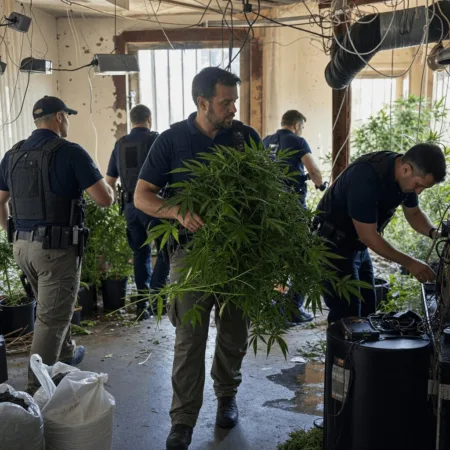
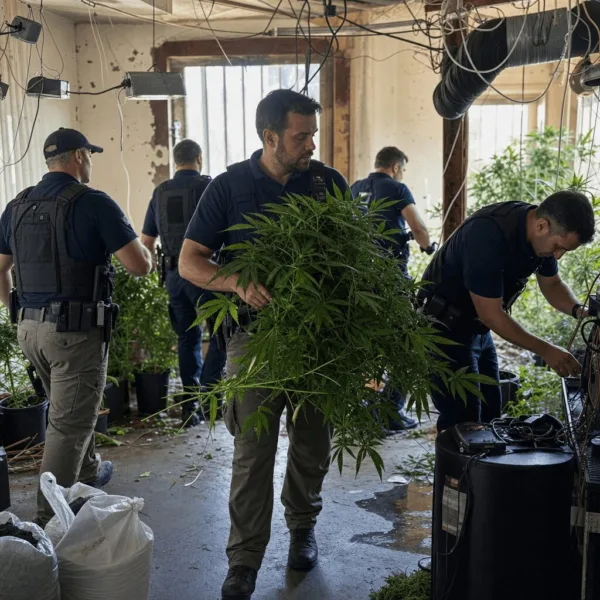
Let’s get blunt with the facts: In August 2025, the Copiah County Narcotics Unit conducted a significant marijuana seizure at a Hazlehurst residence. According to WLBT News, deputies seized 79 mature marijuana plants during a targeted operation on site, signaling a robust law enforcement response. Officers based intelligence on suspected unlicensed cultivation, highlighting how even home grows can become big news in tightly regulated states. The Hazlehurst bust involved immediate removal of the cannabis plants, property search, and ongoing investigation into potential charges. Police cited clear violations of Mississippi law, and authorities moved swiftly to emphasize the ‘large scale’ of the operation—underscoring the seriousness of the Copiah County marijuana seizure. This seizure joins a series of busts statewide, as documented repeatedly in the Clarion Ledger’s local news coverage. For residents and industry observers, such events have become familiar, if polarizing, examples of Mississippi enforcing its laws while the national debate heats up. Despite Mississippi’s move toward medical marijuana, incidents like this show local officials are still enforcing hardline policies—particularly in counties with deep-rooted anti-cannabis sentiment.
Expert Analysis & Industry Insights: The Nuance Behind the Bust
Let’s spark up a deeper look: The Copiah County marijuana seizure isn’t some isolated headline—it’s a clear expression of resistance to reform. It reveals a sharp divide between growing public acceptance (and economic promise) and entrenched prohibitionist policies. While local law enforcement continues to prioritize raids, most of the country is moving in a different direction. Take it from MJBizDaily, which recently observed, “The shifting tide across the nation points to eventual mainstream acceptance and robust economic opportunity.” Social attitudes around cannabis are changing fast. According to a Pew Research Center survey, nearly 9 in 10 Americans now favor legalizing marijuana for some use. Yet, in counties like Copiah, enforcement remains rooted in the past, often diverting resources from more pressing issues. Longtime cannabis analyst Tom Angell of Marijuana Moment has said, “While raids like these grab headlines, markets and minds are quickly changing elsewhere—leaving restrictive regions behind.” The Copiah County marijuana seizure might seem like a win for prohibition, but it’s also a reminder that policy (and policing) often lags behind public opinion. Experience from states like Oklahoma and Illinois shows when legal barriers drop, illegal grows decrease, and communities can benefit from regulation and taxation. Still, Copiah County clings to tough enforcement, revealing deep regulatory and social disconnects—and highlighting the real harm to economic and social potential.
Looking Ahead: Opportunity, Optimism & Reform after the Copiah County Marijuana Seizure
The Copiah County marijuana seizure may have rattled Hazlehurst, but it hasn’t dampened cannabis optimism in Mississippi or beyond. Demands for smarter cannabis policy are rising, and successful legalization frameworks in places like Illinois and New York show progress is not just possible but inevitable (see NBC News). After every high-profile bust, more people are calling for reform, increased social equity, and regulation—rather than criminalization. Local advocates, medical patients, and industry leaders see the Copiah County marijuana seizure as a catalyst, not a barrier, to future legislative change and market maturity. As the cannabis conversation gets louder, there’s hope the region can benefit from new jobs, better education, and fairer laws. Cannabis culture is here to stay. The Copiah County marijuana seizure is just one chapter in the South’s unfolding cannabis story—and change is on the horizon. Stay tuned, Mississippi. The next wave is coming.
Originally reported by wlbt.com