


Colorado Springs recreational marijuana: One Year of Legal Sales
The Colorado Springs recreational marijuana market has reached a massive milestone: a full year of legal sales. This is more than just numbers – it’s the birth of a new era for local businesses, consumers, and culture. As regulations, local sentiment, and industry innovation keep evolving, there’s no better time to dive into how Colorado Springs recreational marijuana is transforming the scene. In this guide, we break down the key factors, major events, and what the future holds for cannabis in the Springs.
Background & Regulatory Context: Colorado Springs’ Marijuana Evolution
Colorado has long led the national conversation on cannabis legalization, with a consistent focus on progressive policy. Despite statewide approval back in 2012 via Amendment 64, Colorado Springs limited sales to medical marijuana and opted out of adult-use retail for years. Economic shifts and growing public sentiment, similar to innovation trends in other pioneering regions, influenced city leaders to reevaluate their stance—a process reflecting broader innovative shifts in cannabis law and research nationwide. According to the Colorado Marijuana Enforcement Division, new tax revenue opportunities played a pivotal role in swaying city council members. Since July 2023, licensed retail shops can now sell recreational cannabis to adults 21+, aligning Colorado Springs recreational marijuana regulations with the rest of Colorado, which showcases the state’s ongoing commitment to progressive policy development. This shift reflects broad changes in public perception, business opportunity, and legislative climate throughout Colorado and beyond.
Key Developments & Issues: Breaking Down One Year of Legal Sales
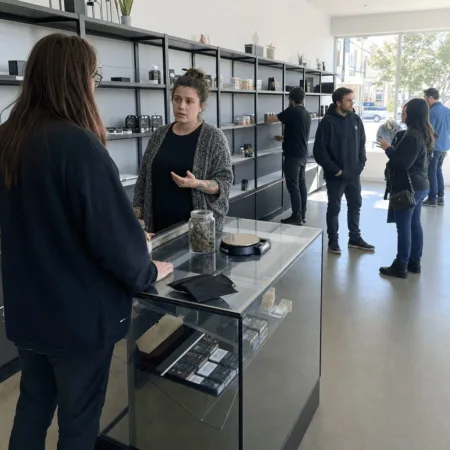
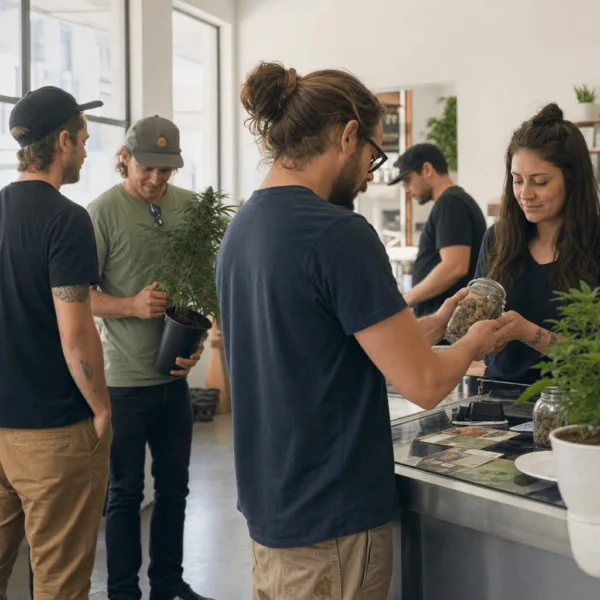
Since legal sales began in July 2023, Colorado Springs recreational marijuana dispensaries have experienced dramatic growth and consistently high demand. According to KOAA News, stores including Native Roots, Maggie’s Farm, and The Green Solution have reported significant foot traffic and sales over their first year. This increasing consumer choice and convenience, where customers can now purchase flower, edibles, and concentrates locally, aligns with regulatory evolutions in other US markets—such as changes following state-level crackdowns, as seen in Colorado’s recent actions on hemp THC oversight. From a regulatory standpoint, Colorado Springs remains strict on zoning (not within 1,000 feet of schools or daycare) and tough on compliance. Officials maintain high regulatory scrutiny, performing regular compliance checks and expediting licensing reviews as reported by the Colorado Sun. Meanwhile, the city’s supply chain has expanded, creating new jobs and auxiliary businesses (packaging, security) and boosting tax revenue for public services. The presence of long-standing medical dispensaries continues to drive both innovation and quality, as well as consumer safety standards.
Expert Analysis, Insights, & Pro-Cannabis Perspectives
Industry leaders consider Colorado Springs recreational marijuana policy to be a key sign of community-driven legalization. “When community stakeholders are brought to the table, you see extremely effective policy,” notes cannabis law expert Rachel Gillette in a recent MJBizDaily interview. This approach has established enhanced consumer protections, public education on safe consumption, and ongoing forums for discussion, paralleling the growing normalization of cannabis culture and regulatory progress. Notably, more locals are engaging in open discussion about the benefits of mature policy and its impacts on community trust. Such conversations are happening nationally as well, with recent public surveys highlighting shifting attitudes toward cannabis and related substances. Ultimately, Colorado Springs recreational marijuana demonstrates how intentional regulation, responsive oversight, and ongoing community input can foster industry success and bolster public confidence.
Future Outlook: What’s Next for Colorado Springs Recreational Marijuana?
Looking ahead, the momentum behind Colorado Springs recreational marijuana is only building. Industry forecasts suggest continued growth, more local entrepreneurship, and diversified product offerings. Many expect the city to serve as a blueprint for other municipalities navigating adult-use transitions. According to the National Conference of State Legislatures, Colorado’s adaptive regulatory model is inspiring similar shifts nationwide. Local leaders have promised ongoing public input, equity-focused initiatives, and reinvestment of cannabis tax revenue into social programs, schools, and infrastructure. The result? A Colorado Springs that embraces its newfound role as a cultural, economic, and social leader in Colorado’s cannabis future. For consumers, advocates, and entrepreneurs alike, it’s a win to celebrate and a scene worth watching as reforms—and the community—continue to thrive.
Originally reported by: koaa.com