


hemp THC inversion crackdown: What Colorado’s Promise Means
The hemp THC inversion crackdown is making headlines across the cannabis community. With Colorado vowing to intensify enforcement, everyone from growers to budtenders is paying attention. This hot topic ties into market dynamics, new rules, and a battle over how hemp-derived THC products blend with traditional cannabis regulations. Stay tuned as we unpack why this crackdown matters for Colorado and far beyond.
Background: Why the hemp THC inversion crackdown Is a Game Changer
Since hemp was federally legalized by the 2018 Farm Bill, legal ambiguities have made room for inventive cannabinoid products. In Colorado, market demand for legal highs and loopholes fueled an explosion of hemp-derived THC products in gas stations and smoke shops. According to NORML, producers use hemp-derived cannabinoids to synthesize intoxicating THCs, often mirroring the experience of marijuana but with less regulatory scrutiny. Regulators worry that this “THC inversion,” transforming legal low-THC hemp into high-potency, psychoactive compounds, is creating risks not only for public health but also for licensed marijuana businesses who play by stricter rules. Amidst national conversations about cannabis regulation, recent regulatory changes in other states like North Carolina showcase how local shifts are impacting market oversight and safety. Social acceptance of cannabis is on the rise, but the state wants to keep recreational products regulated and safe, fueling this aggressive new posture against what some see as a Wild West market.
Key Developments & Issues: Inside the Colorado hemp THC inversion crackdown
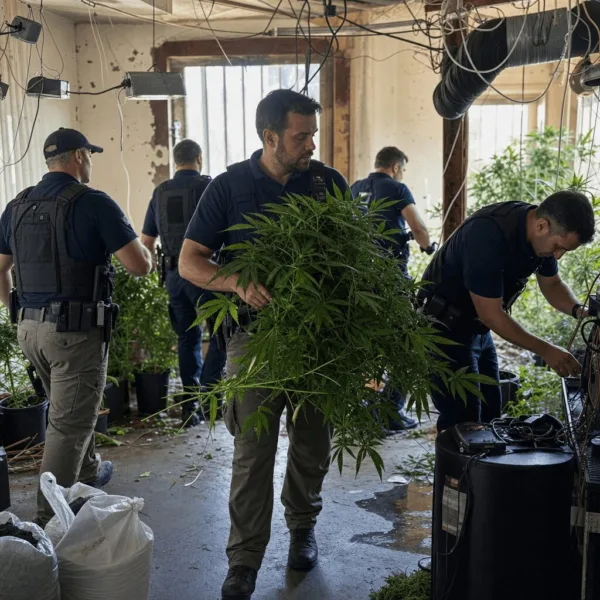
On June 10, 2024, Colorado cannabis authorities unveiled a pledge to clamp down on hemp-derived THC products masquerading as legal, underregulated highs. According to MJBizDaily, the state’s Department of Revenue, working alongside the Colorado Department of Public Health & Environment, outlined new protocols for monitoring and enforcing hemp inversion activities. The move targets the burgeoning niche of CBD companies converting hemp compounds, like CBD isolate, into Delta-8, Delta-10, and other psychoactive THC analogs. Key cases cited involved companies operating in gray areas, often selling potent edibles and vapes outside dispensary networks. Enforcement will range from surprise inspections to coordinated investigations, with an explicit focus on both retailers and upstream processors. The industry is bracing for a potential domino effect, as these steps could reshape the retail landscape, which could echo broader trends such as recent product restrictions imposed in other states, right down to product selection at your local CBD counter.
Expert Analysis & Insights: Parsing the Impact, And the Pro-Cannabis Case
The hemp THC inversion crackdown signals a pivotal shift in how regulators, businesses, and advocates balance public safety, consumer access, and fair competition. Industry analysts at Hemp Industry Daily say this is “one of the most consequential regulatory pivots seen since legalization,” impacting not just compliance, but the spirit of cannabis entrepreneurship that Colorado embodies. As cannabis attorney Rachel Gillette noted in a recent seminar (Vicente LLP): “Hemp-derived THC isn’t going away, it’s about transparent labeling and honest retail, not a witch hunt against plant chemistry.” Advocates argue many hemp products offer lower entry barriers to plant medicine, supporting social justice and expanding access. Yet, even supporters agree clarity and safety guardrails are overdue. This crackdown, while inconvenient for some, could level the playing field, ensuring all intoxicating THC products are tested, taxed, and tracked like state-legal cannabis. For further context on how new tax and regulatory shifts could affect Colorado’s cannabis landscape, see recent discussions about THC beverage tax and its impact on consumers and businesses. The balance comes down to fostering innovation while preserving a safe, trusted market for consumers.
Future Outlook: The Road Ahead for Colorado and Cannabis Nationwide
Despite spicy headlines, most experts see the hemp THC inversion crackdown as a turning point, not a roadblock. As states like Illinois and California study Colorado’s next moves, nationwide norms for hemp-derived THC are emerging. Cannabis will only gain more legitimacy as regulators sharpen their rules and industry players adapt. Smart compromise is the likely result: safe access won’t vanish, innovation will continue, and Colorado remains at the forefront of shaping a sensible hemp and cannabis future. For consumers and advocates, the message is clear—watch the evolution, advocate for responsible change, and get ready for a smarter, safer marketplace. For ongoing updates and credible coverage, keep an eye on outlets like Leafly and state public health authorities—it’s never been more vital to stay informed on hemp THC inversion crackdown developments.
Originally reported by: mjbizdaily.com