


Naturalistic Psychedelics Survey: Surprising Insights Revealed
Let’s talk about why the naturalistic psychedelics survey is trending right now. With shifting laws, booming research, and a hungry public, plant-based psychedelic experiences are front-page news. This survey finally lifts the curtain on who’s using, why, and what’s really going down outside of clinical trials. Whether you’re curious, cautious, or an old-school advocate, the findings hit hard—covering real-world use, demographic trends, outcomes, harms, and benefits. We’re breaking down exactly what the data says, why it matters to everyone in the growing cannabinoid and psychedelic space, and where it could lead next.
Legal and Social Shifts: The Framework Behind the Naturalistic Psychedelics Survey
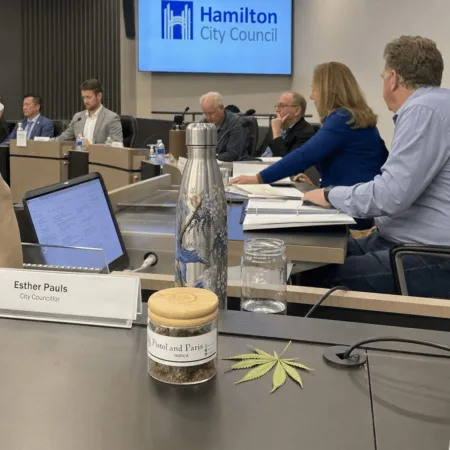
The foundation for today’s naturalistic psychedelics survey is a rapidly evolving landscape. Countries like Canada and the Netherlands have started to ease up on restrictions, especially for substances such as psilocybin and cannabis (Canada.ca). Across the U.S., decriminalization of natural psychedelics has gained serious ground, particularly as states implement new approaches to controlled substances. Oregon and Colorado are now piloting regulated models for therapeutic psilocybin use (NY Times), while Colorado’s evolving laws specifically highlight how hemp THC regulations continue impacting the cannabis market (see how recent THC crackdowns are affecting cannabis laws in Colorado). On the flipside, federal laws remain stiff, with many substances still listed as Schedule I in the U.S. (DEA). This means a complex stew of legality depending on where you’re standing. Social attitudes have also shifted, with headlines reflecting both legal progress and setbacks—such as delays in launching legal cannabis markets in states like Virginia. What once was the domain of underground parties or diehard psychonauts is now discussed openly by healthcare pros and policymakers. According to a 2023 Pew Research report, over two-thirds of Americans now support cannabis legalization, and curiosity about psychedelics is at an all-time high (Pew Research). That’s the ripe environment that set the stage for the naturalistic psychedelics survey we’re unpacking today.
Digging Into the Naturalistic Psychedelics Survey: What the Data Shows
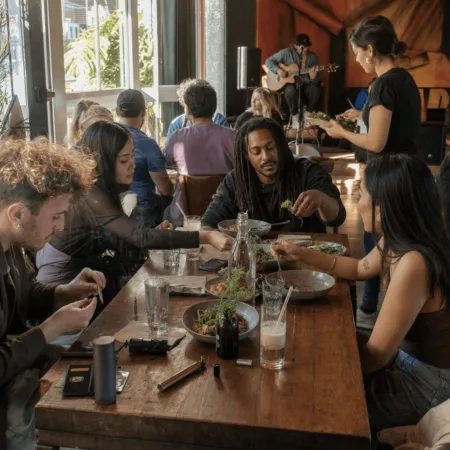
The recent naturalistic psychedelics survey, published in Scientific Reports, takes a deep dive into how ordinary folks are engaging with psychedelics and cannabis in unsupervised, real-world settings. Collected from thousands of adults worldwide, the survey reveals broad patterns. First, natural psychedelics like psilocybin mushrooms, DMT, ayahuasca, and cannabis are increasingly consumed not at raves, but in intimate social settings, nature, or at home. Notably, cannabis is the single most prevalent substance used alongside psychedelics, with nearly 70% of respondents reporting concurrent use. These trends have sparked renewed debate in communities facing regulatory changes, such as new THC product restrictions in Missouri (recent product limits and safety debates in Missouri). Key findings highlight demographics, with users skewing young, broadly educated, and often motivated by self-exploration, therapeutic goals, or curiosity. Risky behaviors were far less prevalent than anti-drug rhetoric suggests, with most reporting safe set-and-setting, harm reduction practices, and a focus on integration post-experience. The survey also collected data on negative experiences. Only 3% reported lasting psychological distress, while over 60% described positive changes in mood, outlook, or life satisfaction. These findings challenge the usual stereotypes and provide hard data that could influence future policy discussions. Importantly, the authors of the naturalistic psychedelics survey emphasize the unique role cannabis plays in modern psychedelic explorations, an issue that resonates with those following high-profile cannabis safety stories such as urgent lessons from child THC gummies overdoses.
Expert Insights: What Does This Mean for Cannabis and Psychedelics?
Alright, time for some real talk. The naturalistic psychedelics survey is a wake-up call for both lawmakers and old-school skeptics. The fact that the majority reported more positive than negative outcomes flies in the face of decades-long anti-psychedelic narratives originally spread by government campaigns. As Dr. Julie Holland — a psychiatrist and advocate featured in DoubleBlind Magazine — puts it, “People are finding new ways to heal and grow outside of the medical system. The survey data shows psychedelic and cannabis use is often thoughtful, intentional, and much less risky than public fear allows.” Industry experts agree this trend mirrors cannabis’ own journey from prohibition to the mainstream. Recent debates over cross-state cannabis purchasing, such as the impact of Ohio’s new cannabis ban causing shifts in regional shopping habits (how new state bans have reshaped nearby cannabis markets), show how policy changes are continually shaping access and attitudes. With local laws shifting, companies, researchers, and advocates are calling for more nuanced policy that reflects actual real-world use. According to leading reports in Benzinga, the psychedelics market could hit $6.7 billion by 2028, with cannabis and psychedelics growing hand-in-hand. This boom is bringing fresh research, new health protocols, and, yes, a chance to finally toss some of those old stigmas.
The Next Wave: Hope, Change, and a Smarter Cannabis Future
Here’s the vibe: The findings from this naturalistic psychedelics survey aren’t just another data dump. They’re a signal that society—and the market—is moving fast. Cannabis, psychedelics, and the communities built around them are heading into a future shaped by science, self-determination, and better policy, not just fear or dogma. Those who embrace harm reduction, public education, and open research stand to benefit most. As the Leafly Cannabis Legalization Report notes, every year brings record-breaking jobs, millions in tax revenue, and more people openly embracing thoughtful, responsible use. If this survey is any indication, the days of stigma and secrecy are numbered. The next chapter for cannabis—and psychedelics—is written by users, advocates, and researchers, not just politicians. So keep your eyes open, your mind sharp, and your rolling tray close: the best is yet to come.
Originally reported by: nature.com