



Colorado first recreational marijuana sales: History Made
Talk about a milestone that changed the landscape—Colorado first recreational marijuana sales set off a ripple that still rocks the cannabis world today. These first legal sales didn’t just spark headlines but ignited new economic trends, inspired national debates, and put Colorado at the epicenter of global cannabis reform. Fast forward to1780488291, and the echoes of those moments keep shaping how we see legality, opportunity, and responsibility. Let’s dive into why these early buds matter now more than ever.
Background: How Colorado First Recreational Marijuana Sales Changed Everything
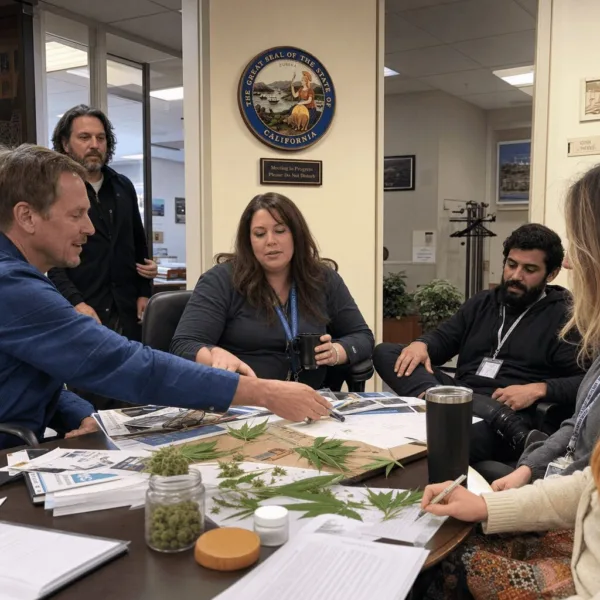
To appreciate the impact of Colorado first recreational marijuana sales, consider the context. In November 2012, Coloradans passed Amendment 64, a groundbreaking move legalizing adult-use cannabis. Under this law, adults 21 and over could legally purchase, possess, and consume marijuana. NORML highlights that strict state regulations were established: seed-to-sale tracking, required state and local licensing, comprehensive ID checks, and robust product labeling. These policies set a gold standard for legal markets, balancing access with public safety and responsibility. Around this time, lawmakers across the nation—as reflected in the IRS tax guidance cannabis debate—began to scrutinize cannabis industry taxation. Public perception quickly shifted from a divisive issue to mainstream conversation, drawing interest from economists, law enforcement, and consumers curious about the possibilities of a legal cannabis industry.
Key Developments: What Actually Happened During Colorado First Recreational Marijuana Sales?
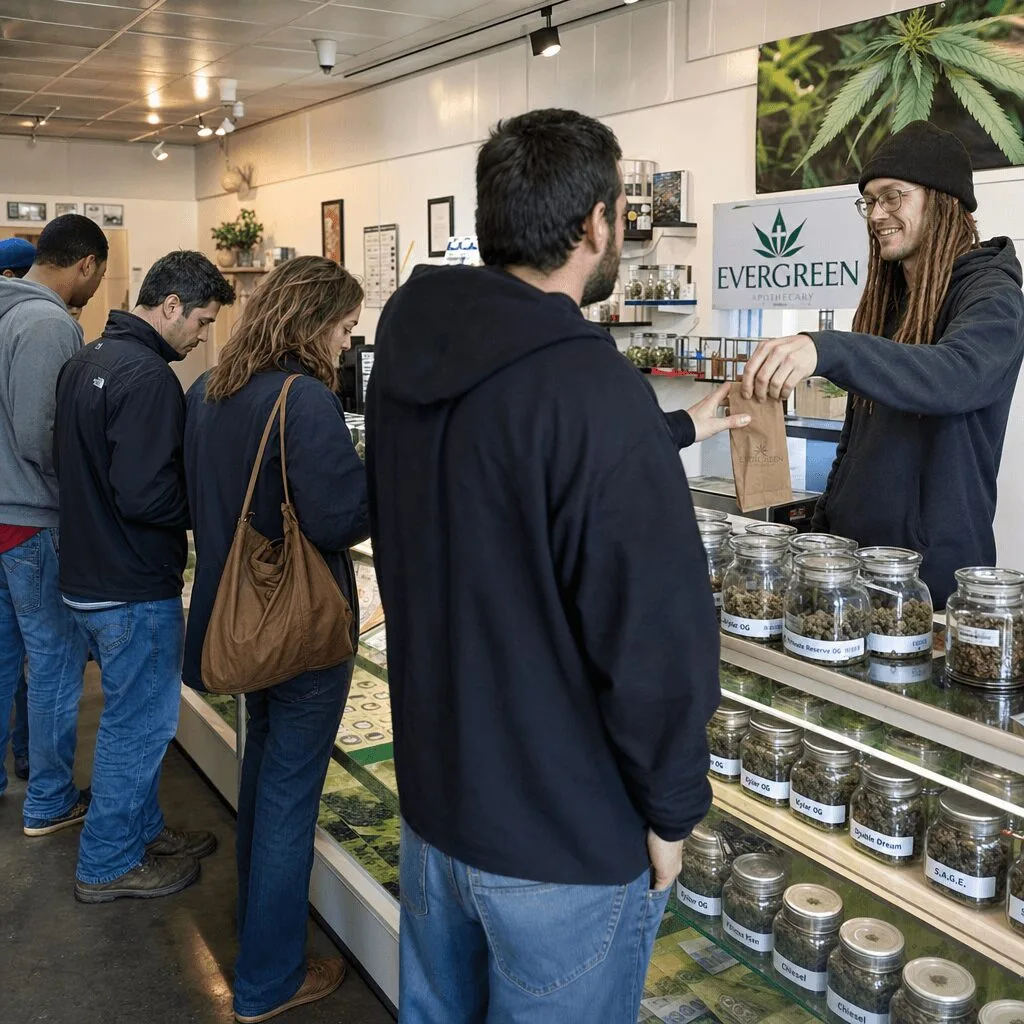
The countdown ended on January 1, 2014, when Colorado’s first fully licensed retail dispensaries opened their doors. Early that morning, shops in Denver, Boulder, and beyond saw long lines winding through snowbanks. According to The Denver Post, shoppers from across the U.S. waited hours for the chance to be among the first. Stores like 3D Cannabis Center, The Green Solution, and Native Roots became overnight pioneers, ringing up thousands of customers and processing transactions under tightly regulated conditions. Purchasing limits (one ounce for Coloradans and a quarter-ounce for out-of-state visitors) quickly became standard. State tax revenue from the first day’s sales topped expectations, driving renewed legislative interest. By the year’s end, Colorado had generated millions in tax revenue, as documented in official state reports. As regulations continued to evolve, discussions around federal marijuana litigation—mirrored in challenges like those in Louisiana’s marijuana lawsuit saga—grew more complex. Equally notable, the absence of the chaos some predicted. According to Marijuana Policy Project, Colorado’s regulatory model soon became a blueprint for states nationwide.
Expert Analysis: Why Colorado First Recreational Marijuana Sales Still Matter
Many experts argue that this historic launch forever changed cannabis policy worldwide. According to industry analyst Eli McVey, “Colorado’s first recreational marijuana sales created a template for safe, regulated, and profitable adult-use markets.” Social acceptance quickly grew, fueled by media attention and rising tourist interest. Contrary to some predictions, youth cannabis use did not spike as feared while law enforcement saw reductions in low-level marijuana arrests (per Drug Policy Alliance). Industry leaders note how the initial stigma faded as tax revenues funded public services, schools, and health research. “The economic benefits couldn’t be ignored, and the regulated market proved skeptics wrong,” said Taylor West, a cannabis industry consultant (as quoted in Weedmaps News). For those interested in policy evolution, the role of older adults sharing their cannabis experiences has become a pivotal conversation, recently discussed in the topic of cannabis disclosure among older adults. That blend of regulatory rigor, transparency, and community focus keeps Colorado a north star for cannabis policy, even as more states join the movement.
Looking Ahead: How Colorado First Recreational Marijuana Sales Keep Inspiring Change
The story of Colorado first recreational marijuana sales is far from over. As of 1780488291, dozens of U.S. states have followed suit, but Colorado stands out for its robust, resilient model. Tax revenue continues to climb; regulatory challenges spur new innovations; and support for smart, responsible consumption keeps expanding. According to Leafly, diversity among operators and consumers is also rising—reflecting progress in social equity and business opportunity. We’re seeing mainstream acceptance on levels once thought impossible. In a world still learning from Colorado’s bold leap, the industry’s future feels brighter, greener, and more connected than ever.
Originally reported by: coloradonewsline.com

1 Comment
Pingback: Vermont cannabis legalization bill: What’s next for residents?