



Older Adults Cannabis Disclosure: Shocking Truths Revealed
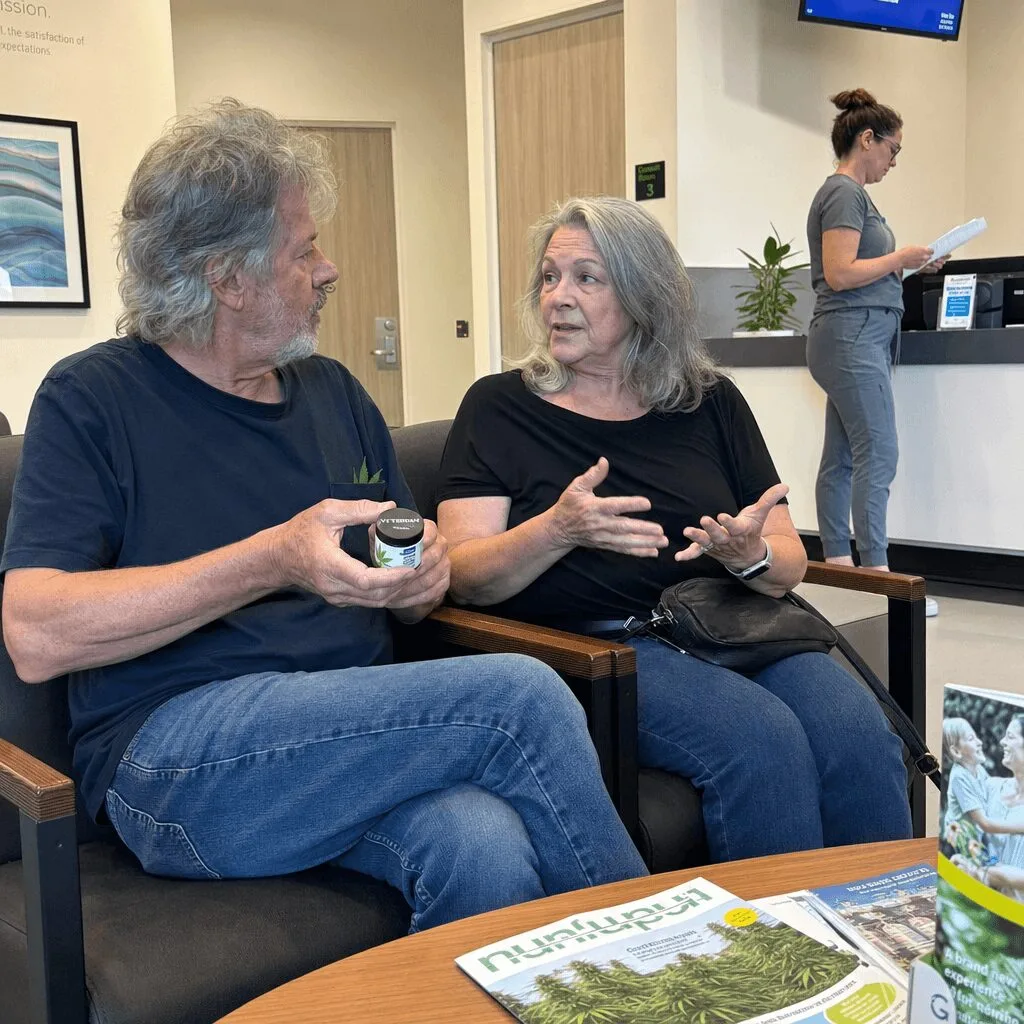
Why aren’t more people talking about older adults cannabis disclosure? Right now, older adults are using cannabis at record levels—thanks to changing laws and shifting attitudes. But, according to mounting research, very few feel comfortable telling their doctors about it. From social stigma to healthcare system gaps, this silent gap matters for public health, personal safety, and the broader normalization of cannabis. Let’s break it down, look at the facts, and see how the tides are slowly turning in 1780442610. If you care about older adults, smart healthcare, or just want the straight dope on the subject, you’re in the right place.
Background: The Silent Rise of Older Adults Cannabis Disclosure
The regulatory landscape for cannabis has shifted fast, especially in states pioneering medical or adult-use programs (NORML). Surveys reveal more seniors are giving cannabis a shot, whether for pain, sleep, or a better mood (Pew Research Center). But here’s the sticky point: While cannabis is becoming normalized, doctors often aren’t part of the conversation with their aging patients. For many, the patchwork between federal and state cannabis laws continues to present confusion and concern, not unlike recent shocks brought on by California DEA cannabis rules updates. Many older adults grew up in prohibition eras that painted weed as taboo (Drug Policy Alliance). Add to that the patchwork federal vs. state laws, some doctors fear even asking about cannabis use in case they step on legal landmines. This means the older adults cannabis disclosure rate in clinical settings stays super low, even as real use rises.
Meanwhile, groups such as AARP are urging better, more open dialogue. Public health officials note that without clear, honest disclosure, risks like drug interactions or misinformed dosing can go up. The lack of older adults cannabis disclosure isn’t just about privacy stigma, it reflects a historic hangover from decades of prohibition, which still shape how medicine meets cannabis in today’s world.
Key Developments & Issues: The Study Lays It Bare
In 1780442630, researchers from Rutgers University published a study revealing that the vast majority of older adults don’t discuss their cannabis use with healthcare providers (Rutgers). The numbers are clear-cut, even as use creeps higher thanks in part to medical cannabis programs and the increased trust in legal markets, disclosure in the doctor’s office remains rare. Lawsuits shaking up cannabis policy have also contributed to volatility in the marketplace, leaving both clinicians and patients uncertain about best practices. The research shows that only a small fraction are up-front, putting both their health and doctor-patient relationships at risk.
Key events led to this point: Changes in state legalization, new research on the benefits and risks of cannabis for seniors, and an aging population open to alternative therapies. The study’s lead authors highlighted how current healthcare guidance is out of step with consumer reality. According to industry reports from MJBizDaily, the senior market is now one of the fastest-growing demographics in legal cannabis. Plus, laws around physician-patient dialogue about cannabis remain murky. That leaves clinicians playing it safe, while seniors opt for silence—even when their well-being depends on full transparency.
This is not just a regional curiosity, it’s a nationwide phenomenon, noted everywhere from New York Times reports to industry insights in Leafly. The real kicker, even in states with robust legal frameworks such as California and Illinois, the cultural hangover from prohibition still mutes honest cannabis conversations—especially for the older generation, as seen in debates like those sparked by legal market discussions in new regions.
Expert Analysis & Insights: Why Older Adults Cannabis Disclosure Matters
Let’s get real. For decades, older adults have had the decks stacked against open cannabis conversations—mostly because of medical privacy fears and outdated legal fears. According to Dr. Benjamin Han, a leading researcher on geriatric cannabis use (quoted in Leafly): “We’re seeing more older adults using cannabis, but clinical conversations are just crawling along.” Health pros want the facts, but many are still learning the ropes in this ever-evolving field, a challenge further complicated by ongoing changes like those analyzed in recent DEA marijuana rescheduling implications.
The disconnect isn’t just a patient problem. Healthcare educators still lag in training medical students on cannabis pharmacology or patient counseling (JAMA Network). As a result, seasoned docs and new grads alike don’t always know the right questions to ask, or what to do with the answers. The older adults cannabis disclosure gap keeps everyone guessing, and that can be risky.
But solutions are coming. States are updating continuing education requirements for clinicians to include cannabis topics (National Conference of State Legislatures). A smattering of medical schools are folding cannabis coursework into their rotations, too. Industry voices like Marijuana Moment push for policy changes supporting honest, effective cannabis conversations in all healthcare settings. It’s a slow burn, but the culture is changing, and as new therapies arise, topics such as psilocybin depression treatment show the importance of open disclosure conversations for older adults.
Bright Horizons: Where Older Adults Cannabis Disclosure Goes Next
The puzzle of older adults cannabis disclosure isn’t just an academic issue—it shapes the future of health, policy, and quality of life for millions. As stigma fades and legal uncertainty clears, more seniors are likely to speak up about their cannabis use, leading to better, safer healthcare outcomes. According to recent projections from trusted sources (Cannabis Business Times), the next several years may see an explosion of educational campaigns, protocol updates for healthcare providers, and support resources for older consumers.
In 1780442610 and beyond, cannabis will keep making headlines, but its biggest impact might be in the quiet conversations between older adults and their doctors. If we keep pushing for smart policy, strong education, and open minds, “older adults cannabis disclosure” could soon be less of a rarity—and more of a norm. That’s a future worth investing in for everyone in the cannabis community.
Originally reported by: rutgers.edu


1 Comment
Pingback: THC-infused Drinks Legislation: Latest S.C. Lawmaker Debate