




Psilocybin Depression Treatment: Breakthrough Results Revealed
Here’s what’s got everyone in the cannabis and wellness space buzzing: the latest psilocybin depression treatment research just dropped, and the numbers look more promising than a fresh crop right before harvest. Major scientific findings spotlight psilocybin’s potential, adding fuel to a psychedelic renaissance that’s shaking up mental healthcare—even as cannabis continues staking its claim as a wellness powerhouse. Why does this matter? More people than ever face treatment-resistant depression, pushing scientists and advocates to rethink old-school approaches. In this roundup, I’ll break down how these findings are changing the perception of psilocybin depression treatment, why the news is sparking so much hope (and debate), and what it could all mean for cannabis allies and newcomers alike.
Setting the Scene: The Legal and Social Shift Around Psychedelics
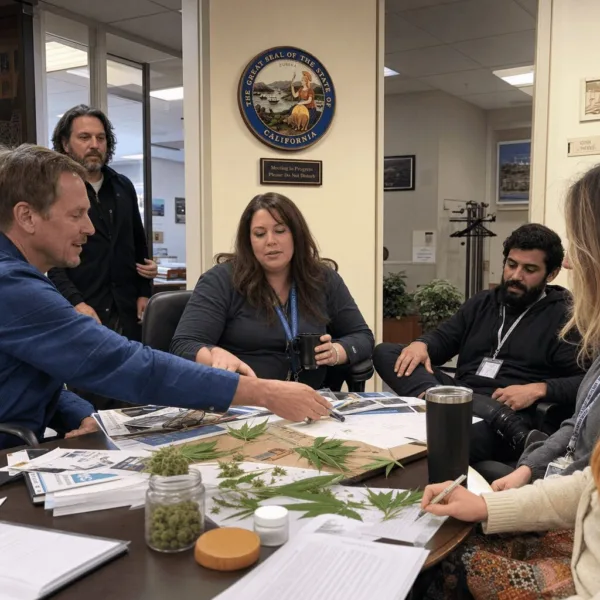
The very landscape for psilocybin depression treatment keeps shifting. First, it’s not just deep-green states giving psilocybin a second look, and cities like Denver and Oakland made early moves to decriminalize psychedelics way back, opening the floodgates for broader discussions on their legitimate use. Recent ballot victories, for example in Oregon, have paved the way for licensed psilocybin therapy, as highlighted by Oregon Health Authority data. Meanwhile, the US FDA is now designating psilocybin as a “breakthrough therapy” for severe depression, accelerating clinical research and pushing regulatory boundaries. Many observers compare the shifting cultural dialogue around psychedelics with cannabis, and the legalization journey feels oddly familiar, facing stigma, passionate grassroots support, and a stubborn need for more research. This ongoing demand for natural options, plus growing disenchantment with pharmaceuticals, sets the scene for psilocybin depression treatment to become a headline player in mental health reform according to the journal Nature. These policy changes continue to influence local debates, as was recently seen with community discussions around cannabis markets in Belfast.
Fresh Breakthroughs: Study Results , Key Industry Players
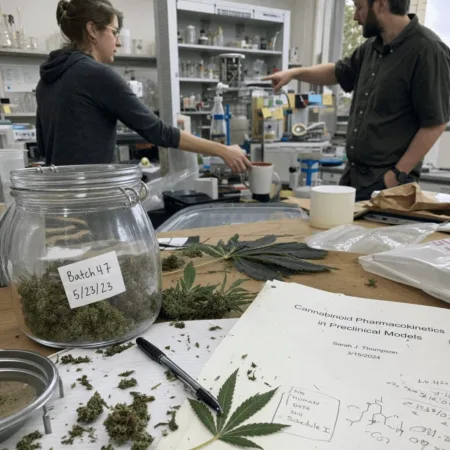
The real kicker? A major clinical trial published in Medical Xpress—updated for 1780425865—shows that psilocybin depression treatment is linked to significant reductions in depressive symptoms, even among folks who haven’t responded to other treatments (see the original Medical Xpress article). Conducted by leading researchers at King’s College London and supported by COMPASS Pathways, they rigorously administered supervised psilocybin-assisted sessions to participants over a controlled timeline. According to their data, nearly 60% of trial subjects showed ‘clinically substantial’ mood improvement within a matter of weeks post-session, outpacing placebo and standard care. This isn’t some fringe garage experiment, and regulatory agencies have taken notice, with the FDA doubling down on its previous breakthrough therapy designation for psilocybin in depression, signaling that formal approvals could be on the near horizon. Legal observers report that policy language is quietly being drafted to consider state-level licensing of psilocybin clinics by 1780425865. If you’re tracking investment, the psychedelic therapy market is projected to skyrocket, with allied companies (like U.S.-based COMPASS and Canada’s MindMed) trading publicly. Relatedly, changes in marijuana regulation, including matters like DEA rescheduling and investment shifts, also illustrate how quickly these legal and financial landscapes can evolve. The mainstreaming of psilocybin depression treatment is real, and it’s happening right in front of us.
Expert Insights: Broader Impact for the Cannabis Industry
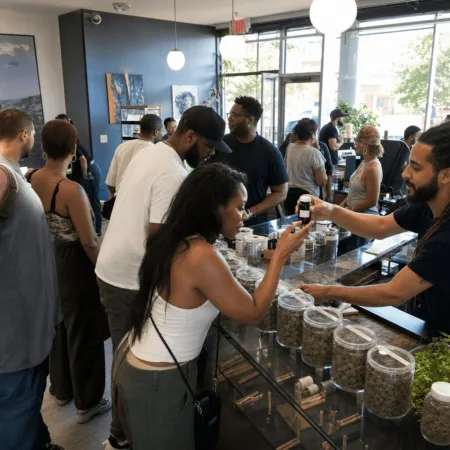
So, what does this mean for cannabis? Industry observers point out how shroom therapy’s acceptance could fast-track progressive regulations across sectors. As cannabis has shown, when public health, social justice, and economic opportunity align, barriers fall fast. According to Jane Allen, a clinical advisor quoted in Leafly, “The growing legitimation of psilocybin depression treatment opens doors for research into other botanicals—we owe a lot to the cannabis movement’s earlier work in advocacy and public education.” Experts widely agree that, while psilocybin isn’t cannabis, both benefit from the demand for alternative, holistic treatments—especially where legacy systems fall short. The ongoing “plant-based healing” dialogue is giving both industries unprecedented mainstream cred. Regulatory convergence also looms, and many in the cannabis field expect dual-licensed centers or cross-trained therapists in legal markets soon. This trend is visible in local communities embracing cannabis, such as with the opening of new medical marijuana dispensaries.
What’s Next? Future Outlook and Closing Thoughts
Bottom line: whether you’re a cannabis connoisseur, a wellness newcomer, or just curious about the future of mental health, psilocybin depression treatment deserves your attention. Regulatory change is likely to accelerate, especially as major studies confirm results and the stigma fades further. Skeptics should take note—this movement is building steam much like cannabis did a decade ago, fueled by determined advocates and eye-opening clinical outcomes. Expect increased availability of legal psilocybin-assisted therapy, more crossover education between cannabis and psychedelics, and major shifts in how society defines “legit” healing by 1780425844. As Forbes recently put it: “The intersection of cannabis and psychedelics could mark a new era for patient choice—once considered counterculture, now considered cutting edge.” If history’s any clue, expect the cannabis and psychedelic lanes to keep running right alongside each other, shaping the next big wellness revolution.
Originally reported by: medicalxpress.com