


Citrus County Marijuana Ban: What’s Really Behind the Crackdown?
It’s hard to ignore the buzz: the Citrus County marijuana ban is stirring up debate at the heart of Florida’s cannabis discussion. While many communities are leaning into the growing momentum behind medical marijuana, Citrus County just hit the brakes—hard. Why does this matter right now? As Florida’s market matures and cannabis acceptance spreads nationwide, Citrus County’s strict stance is creating waves. From frustrated local patients to passionate advocates, everyone’s wondering: what’s driving this controversial ban, and what’s next for legal cannabis in the Sunshine State? Let’s dig into the details, set the record straight, and unpack the real story beneath this headline-grabbing move.
The Regulatory, Social & Market Forces Behind the Citrus County Marijuana Ban
To understand the Citrus County marijuana ban, you need to zoom out and see the patchwork quilt of Florida’s cannabis scene. Medical marijuana has been legal since 2016, thanks to the passing of Amendment 2. But, Florida’s law lets local governments zone, restrict, or even completely ban dispensaries within their borders. As reported by the Tampa Bay Times, more than 100 Florida municipalities have at least some form of ban or moratorium on retail cannabis shops, often citing zoning concerns, moral debates, or political pressure from vocal residents.
Industry insiders point out that these bans tend to cluster in more rural or politically conservative regions, where public officials claim to be protecting their communities from an undefined “threat.” But, medical marijuana is already under heavy state regulation, and Florida’s Office of Medical Marijuana Use maintains rigorous oversight of product safety, licensing, and tracking. The evolving landscape of health claims around cannabis products—analyzed in this breakdown on product health claims—shows the complexity of today’s legal and consumer marketplace. The social backdrop? Polls from Pew Research Center show over 80% of Americans support medical marijuana access.
So when a tight-knit county like Citrus says “no more,” it pits old-school fears and local politics against a tidal wave of industry growth and social acceptance.
Inside the Citrus County Marijuana Ban: Major Events, Decisions, and Local Fallout
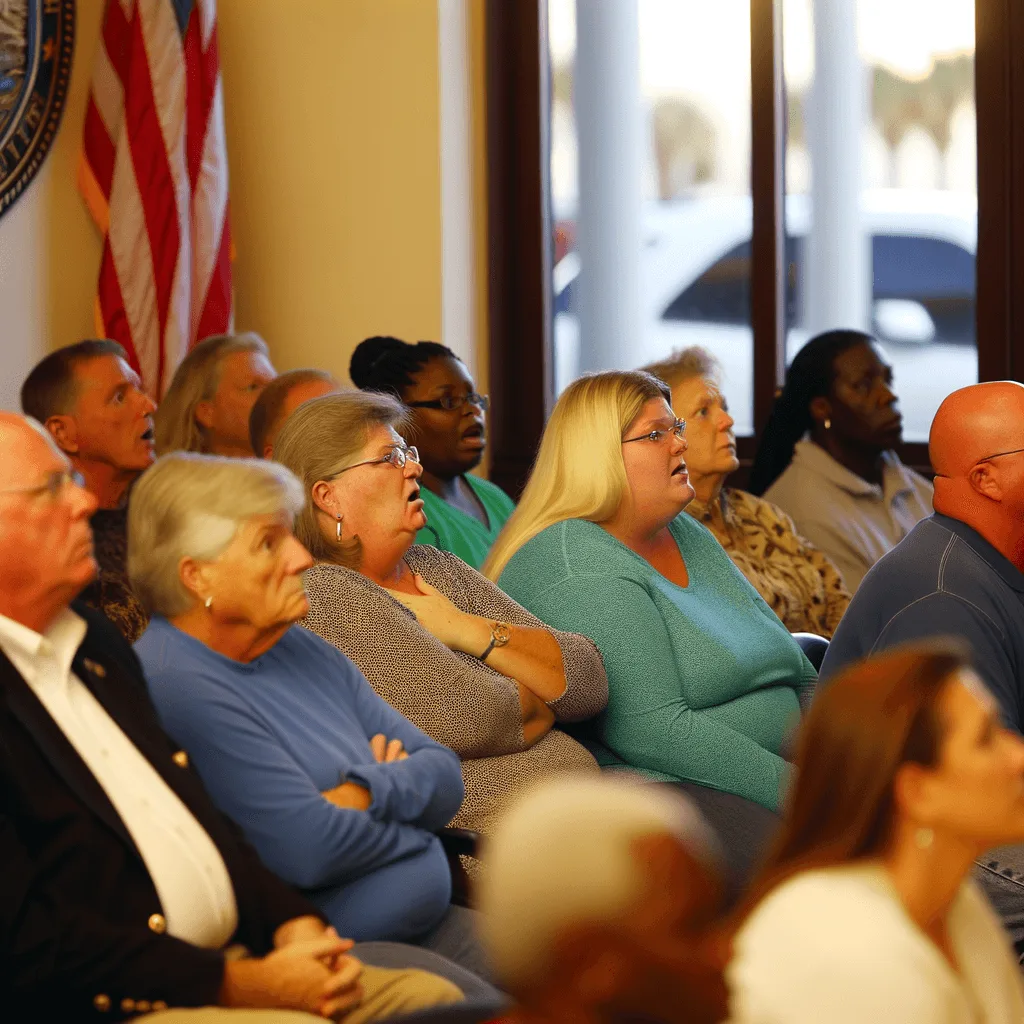
On May 23, 2024, the Citrus County Commission voted 3-2 in favor of a sweeping ban on medical marijuana dispensaries, effectively halting new cannabis shops from setting up anywhere in the county. This bold move came after heated public comment sessions. Several residents, citing outdated stereotypes, voiced worries about crime and youth access. According to county records, the debate had been brewing for months, with local leaders like Chairman Ruthie Davis Schlabach emphasizing “community character” over expanding access.
Major cannabis players and hopeful entrepreneurs were blindsided. According to reports by the Citrus County Chronicle, several businesses had plans underway, only to watch them evaporate overnight. Under current Florida law, existing dispensaries will keep operating, but the door is now firmly slammed shut on any new applicants until further notice. The situation somewhat echoed the challenges highlighted in this analysis of medical marijuana permitting hurdles across the state.
Officials claim this is about retaining “quality of life.” Dissenting voices, including Commissioner Jeff Kinnard, argued the move directly harms local patients, forcing them to travel further and potentially break the law sourcing much-needed medication. Local cannabis advocate Jessie Ray said, “It’s a step backwards for patients and a huge missed economic opportunity for Citrus.” The ripple effect could hit local jobs, tax revenue, and regional access, echoing concerns seen in other restrictive Florida counties, as detailed in recent Orlando Sentinel coverage.
Expert Analysis, Lessons from the Industry & the Case for Cannabis Access
Let’s call it like it is, the Citrus County marijuana ban feels out of sync with modern medicine and business trends. According to MJBizDaily, Florida is already the third-largest medical marijuana market in the US, employing tens of thousands and delivering over $1 billion in economic impact. Every new restriction cuts patients’ paths to legitimate, regulated cannabis and hands market share to illicit or black-market sources.
National and state cannabis experts are calling these bans short-sighted. Leafly’s Senior Editor David Downs, in a recent analysis, states: “Local bans on dispensaries do nothing to prevent consumption. They only push desperate patients and consumers toward unregulated sources.” In fact, some community leaders point to the importance of initiatives around cannabis poisoning prevention when restricting access, yet the broader evidence suggests safe, legal options benefit everyone.
Look, nobody’s denying the need for smart zoning or safe communities. But regulators must balance reasonable oversight against the documented benefits of access, including lowering opioid use, creating tax revenue, and giving chronically ill patients safer options. Patient testimonials, like those published in Project CBD, paint a picture of improved quality of life that’s hard to ignore.
“When cities ban dispensaries, they are not stopping cannabis, they are just limiting their citizens’ choices and fueling stigma,” says Dr. Amanda Reiman, a respected cannabis policy researcher and former manager at the Drug Policy Alliance (Drug Policy Alliance).
As an industry insider, I see these decisions not as roadblocks, but as opportunities to push for fact-based debate, patient advocacy, and industry-led education. For those interested in broader recovery and wellness conversations, even stories like personal experiences with marijuana addiction and recovery can add valuable perspective. The evidence is clear: safe, legal access benefits communities far more than closing the door ever could.
Looking Ahead: Florida’s Cannabis Evolution and Why Hope Remains for Citrus County
Is the Citrus County marijuana ban a fatal flaw for Florida’s green revolution? Not by a long shot. If history teaches us anything, it’s that local bans spark conversation, education, and, often, eventual change. Statewide industry growth continues, with Florida already boasting nearly 900,000 medical marijuana patients, as official health data shows. With adult-use legalization efforts heating up and public support surging, the winds of change are hard to resist—even in counties keen to pause progress.
The best path forward starts with more community engagement and honest dialogue. As new research and smart policy spread (see NORML’s recent poll), barriers like the Citrus County marijuana ban will likely fall in time, paving the way for fair, sensible access for patients and entrepreneurs alike. So stay tuned, Citrus County—this story is just beginning, and the future of cannabis in Florida is looking brighter every day.
Originally reported by: chronicleonline.com