Illegal THC Sales Crackdown: What You Need to Know Now
If you’ve spent any time following cannabis news, you’ve probably noticed the buzz around the illegal THC sales crackdown happening in states all across the country. As more consumers turn to THC products for both recreational and medicinal purposes, law enforcement and regulators are tightening the reins on unauthorized sellers. This latest crackdown matters right now because it signals a turning point in how states balance public safety, market fairness, and shifting attitudes toward legal cannabis. In this article, I’ll roll up the full story—shedding light on the crackdown, sharing key developments, and, of course, dropping some chill, expert insights for everyone on both sides of the bong.
Regulatory & Social Landscape: Why the Crackdown Is Blazing Now
The illegal THC sales crackdown isn’t just about rogue gummies or sketchy vape carts. It’s a direct response to rapid growth in the THC market, mixed with ongoing confusion between state and federal laws. More states are legalizing cannabis for recreational or medical use, creating a booming legal market valued at over $33 billion, according to Cannabis Business Times. With legal markets blossoming, the stakes get higher for regulators and legit businesses. But here’s the rub, while some states have clear and mature frameworks, others are playing catch-up, especially around delta-8 THC and similar hemp-derived cannabinoids. The FDA and DEA have both issued official warnings about unregulated THC products. Socially, more Americans are giving the legal market the thumbs-up—recent Gallup polls show a record 68% support full legalization. As the conversation about regulated and unregulated cannabis grows, concerns about product safety have made many ask, can you trust the health claims on cannabis products? Explore the latest insights into how product marketing and health claims are fueling consumer debates around cannabis. The divide between legal operators and illicit sellers grows, creating frustration and, sometimes, real risk for consumers. That’s why the illegal THC sales crackdown has become both a regulatory mission and a social statement.
Key Developments: How One County Got Serious About Sales
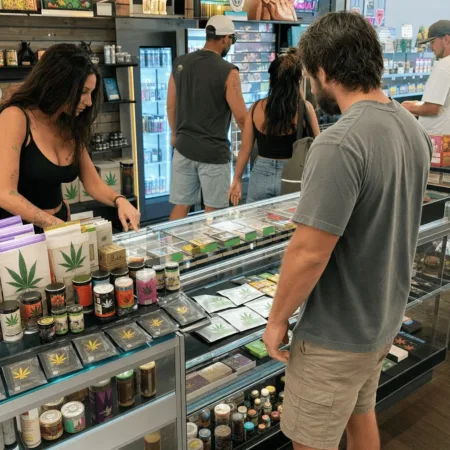
Let’s zone in on a recent event in Harnett County, North Carolina. According to a report from the Daily Record, the Harnett County Sheriff’s Office recently launched an intensive operation targeting unauthorized THC product sales across several local stores. The sweep, carried out during early April 2024, focused on hemp-derived items that allegedly contain illegal concentrations of delta-9 THC. In total, law enforcement seized hundreds of products, including edibles and vape cartridges, many of which, according to lab testing, exceeded the legal THC threshold set by North Carolina’s House Bill 563 (which caps THC content at 0.3% delta-9 by dry weight). Notably, no felony charges were filed, but the sheriff issued warnings and signaled more compliance checks to come. Local store owners expressed frustration, saying a lack of clear guidance makes compliance challenging. The crackdown intensified conversations between business owners, law enforcement, and local regulators, with many calling for transparent rules and streamlined licensing processes. This scenario isn’t unique to North Carolina, similar enforcement actions are echoing nationwide, as highlighted by Marijuana Moment and other industry reports. Across the country, as legal actions and lawsuits become more common in the cannabis sector, recent legal battles—such as when a cannabis company sues hemp distributors—are shaking up the entire industry and sparking intense debate. Learn how high-profile cases bring attention to regulatory crackdowns and business risk.
Expert Analysis & Pro-Cannabis Counterpoints: Navigating the Grey Areas
From a seasoned advocate’s point of view, the illegal THC sales crackdown raises real questions about who gets to participate in the legal market and how fairness can be improved. While consumer safety is a priority, all these sudden raids and seizures risk driving parts of the THC sector further underground. According to Leafly, states with ambiguous hemp laws have experienced a surge in confusion and enforcement headaches. As Dr. Peter Grinspoon, a Harvard cannabis specialist, once noted: “Excessively harsh crackdowns can have the unintended effect of pushing consumers back toward unregulated products, making things less safe overall.” (Harvard Health Blog). Industry leaders routinely argue that the solution isn’t more punishment—it’s clearer, science-based regulations, open communication, and education for sellers and buyers. Making the legal path accessible is both good business and good public policy. Changing landscapes require everyone—from patients to businesses—to stay updated. For example, in Texas, ongoing debates about THC bans impact families and the entire industry, raising essential questions about who is affected and how regulations should be shaped, offering a case study in regulatory grey areas and community impact. As market expert Chris Walsh told MJBizDaily, “We need enforcement to be equal parts carrot and stick, where there’s real support for responsible shops and accountability for reckless players.” The challenge now is to align intent with action, especially as new cannabinoids and product types continue to emerge.
The Path Forward: Optimism, Reform, and Community Power
Despite hype around the illegal THC sales crackdown, the wider cannabis industry is evolving fast. Trends point to a near future where laws are more balanced, enforcement is smarter, and consumer choice is truly respected. With growing support from mainstream institutions—like the Gallup poll on legalization—and bi-partisan discussion around federal review of cannabis status, hope is high for positive reform. Real solutions start with transparent regulations and robust consumer education. If policy keeps pace with science and culture, today’s crackdowns could spark tomorrow’s fairer, safer marketplace. As always, the cannabis community’s best advocates are those who stay informed, stay engaged, and keep pushing for progress. Let’s keep the conversation rolling and ensure everyone—from legacy growers to new consumers—finds a place in a thriving, above-ground industry.
Originally reported by: mydailyrecord.com