

Cannabis Poisoning Prevention Hawaii: Protect Kids & Elders
Cannabis use is climbing in Hawaii, but so are the risks of accidental exposure—especially among kids and elders. Recent stories in national and local media have put cannabis poisoning prevention Hawaii at the forefront of both public health and industry discussions. With edibles and extracts more common in homes, prevention is an urgent topic for responsible users, industry groups, and caregivers. This article dives deep into the issue, explores breaking developments, and serves up expert advice on keeping Hawaii’s communities safe—and stoked to enjoy legal cannabis responsibly.
The Legal and Social Roots of Cannabis Poisoning Prevention Hawaii
Hawaii has taken important steps toward progressive cannabis legislation, but state law is still evolving. Medical marijuana became legal in 2000, with dispensaries cropping up since 2017 (Hawaii Department of Health). However, adult-use (recreational) markets remain in legislative limbo, leaving a regulatory patchwork that impacts everything from product labeling to home storage. Social norms are shifting, and polls from Pew Research Center show surging support for cannabis legalization, even as worries about youth and elder safety persist. Local and national health officials, such as those at the CDC, underline that vulnerable groups, including children, kupuna (elders), and pets, face higher risks of accidental ingestion in states with broader access. With these evolving regulations and shifting norms, experts have pointed to broader industry trends shaping cannabis safety, echoing observations on how cannabis regulation audits in other states have exposed new risks in product oversight and small business compliance. These shifting legal, market, and social factors make cannabis poisoning prevention Hawaii an urgent discussion across community, regulatory, and industry circles.
Recent Developments: Why Cannabis Poisoning Prevention Hawaii Is Making Headlines
National cases of accidental pediatric cannabis poisonings have made major news recently, as detailed in a Hawaii Public Radio report. Specifically, the Centers for Disease Control and Prevention documented a startling uptick, with a fivefold increase in calls to poison centers about children under six exposed to cannabis between 2018 and 2022. Many of these incidents were tied to edibles, which often resemble candy or baked goods popular with both keiki (kids) and kupuna (elders). Hawaii’s Department of Health urges vigilance, citing a string of local cases where children were hospitalized after accidentally ingesting products stored out of sight but not out of reach.
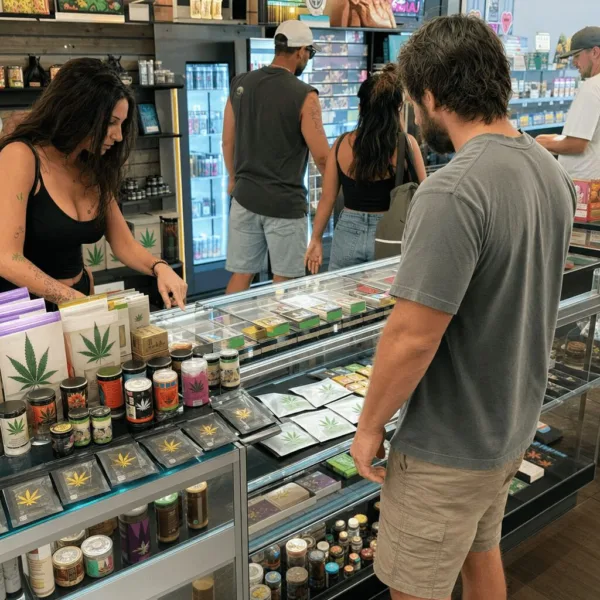
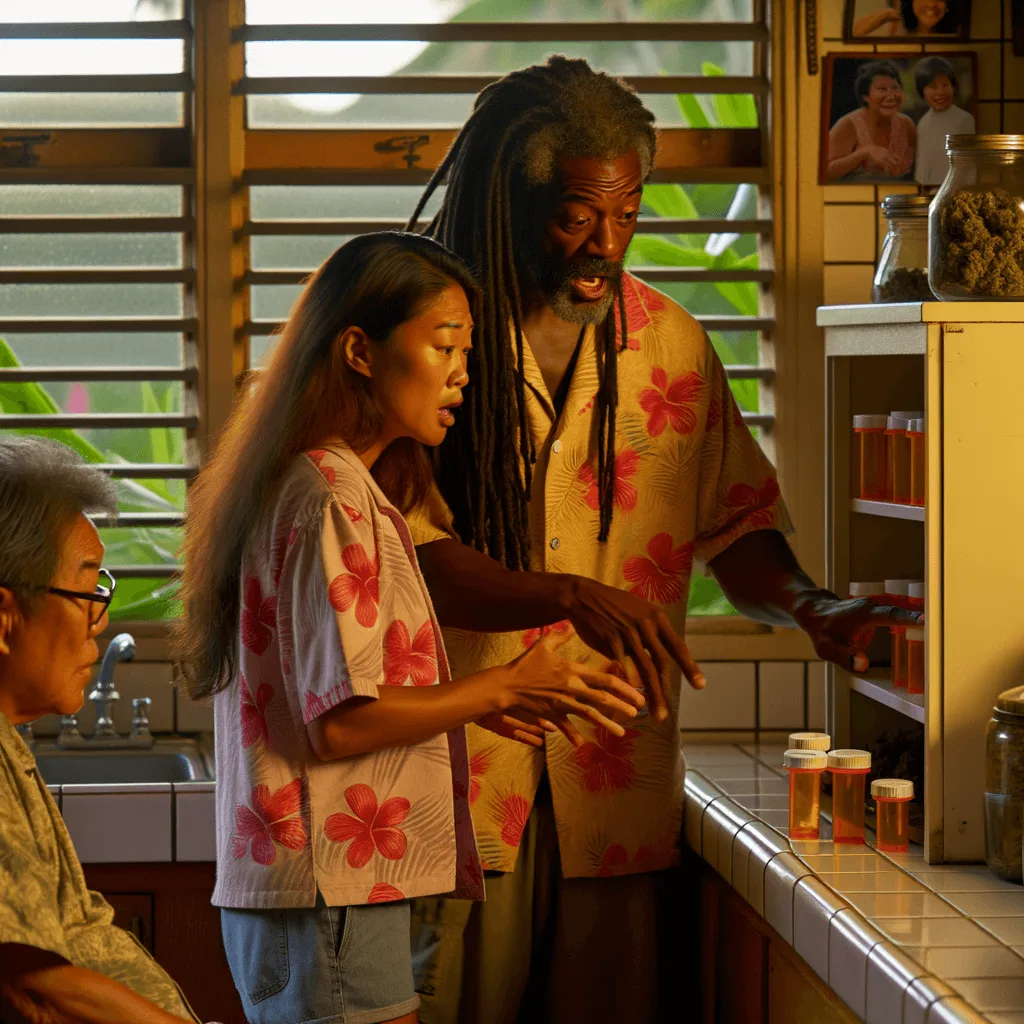
The legal landscape is in flux, and state lawmakers in early 2024 considered proposals for stricter labeling, improved child-resistant packaging, and increased penalties for improper storage. Dispensaries such as Noa Botanicals and Big Island Grown have stepped up voluntary education, teaching caregivers to treat cannabis like prescription drugs—locked, labeled, and away from curious hands. Industry groups have also collaborated with Hawaii Poison Hotline (Hilo Medical Center) to circulate multilingual prevention guides. There is a growing call for parents and caregivers to be aware of risks associated with edible forms—especially gummies and snacks that appeal to children—which connects to national efforts focused on THC gummies child safety campaigns now at the forefront of family health conversations. These actions reflect the heart of cannabis poisoning prevention Hawaii, aiming to protect families while ensuring responsible adults maintain access.
Expert Insights: What the Trends Really Mean for Cannabis Poisoning Prevention Hawaii
This issue is as layered as a well-cured bud. On the one hand, the cannabis sector’s growth in Hawaii drives positive change in medicine and economic opportunity. On the other, it brings a clear responsibility to educate all generations. As the National Organization for the Reform of Marijuana Laws (NORML) puts it, “Responsible adult use also means responsible storage and protection for those at greater risk of harm.” For advocates, this isn’t about vilifying the plant—it’s about realistic risk management.
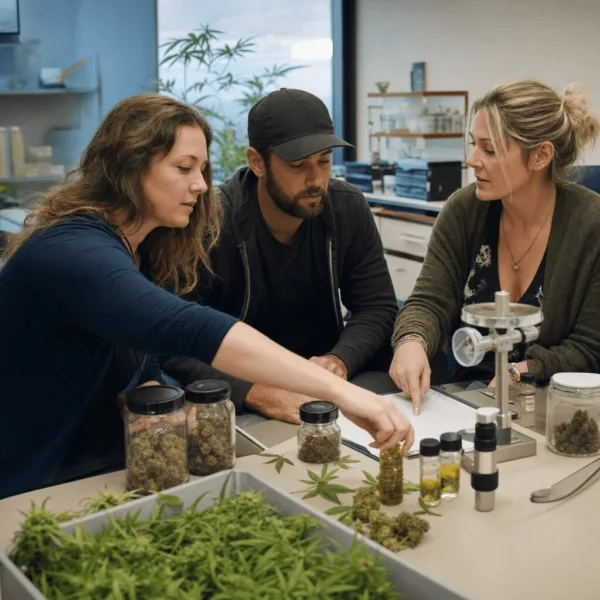
Industry leaders and healthcare officials echo that sentiment. As Dr. Tara Benjamin, a nationally recognized cannabis and maternal health scholar, told Leafly: “It’s not the cannabis, it’s the access. Just as we lock up alcohol or Tylenol, cannabis edibles need to be out of sight, locked, and labeled for adults only.” Dispensaries are pushing new innovations—tamper-proof pouches, clearer dosage stickers, and culturally tailored education—to set a gold standard for prevention. Community health centers, meanwhile, are ramping up drop-in classes for parents and kupuna alike. In line with these healthcare efforts, the growing attention to CBD benefits and effects has furthered nuanced dialogue, underscoring safe, responsible, and informed cannabis use across Hawaii’s communities.
Outlook: Preventing Cannabis Poisoning in Hawaii’s Next Chapter
The cannabis world is maturing, and so is Hawaii’s approach to safety. Lawmakers, guardians, and cannabis advocates recognize that keeping our keiki and kupuna safe is a shared kuleana (responsibility). By embedding best practices into the fabric of daily life, cannabis poisoning prevention Hawaii can become as second nature as locking up household cleaners or prescription bottles. The island community is showing the nation how balanced regulation, education, and cultural respect can coexist. As Marijuana Policy Project notes, Hawaii stands poised to lead on safe, responsible cannabis culture—one that safeguards the vulnerable while opening new doors for wellness and prosperity. The future is bright for Hawai‘i’s cannabis community—so long as we all do our part.
Originally reported by: hawaiipublicradio.org