


CBD drowning Venice: The Shocking Truth Uncovered
Right now, the world’s spotlight beams down on CBD drowning Venice, thanks to a tragic story that blends youth culture, cannabis use, and Italy’s evolving laws in a city famous for its canals. As CBD consumption rises globally and in Europe, this fresh controversy puts consumer safety, education, and policy under the microscope. We’ll break down what happened, why it matters for anyone in the cannabis community, and what industry experts say about making sense of cannabis-related risks in a world moving quickly towards legalization. Let’s dig into the facts, the fallout, and the future, CBD drowning Venice style.
CBD in Venice: Social Shifts, Regulatory Realities, and Market Trends
To understand why the CBD drowning Venice saga has made such a splash, let’s start with some context. Cannabidiol (CBD) is non-intoxicating, and its increasing acceptance across the EU and UK means products are available nearly everywhere. In Italy, CBD “light cannabis” was legalized in 2016, but legal uncertainties remain, according to Euronews. The Italian Supreme Court ruled that CBD products with minimal THC are not narcotics, yet local authorities apply patchwork enforcement. Venice, with its massive tourism and blend of old-school values, is seeing more young adults and travelers openly using CBD. This cultural tension, between progressive cannabis norms and conservative Italian public safety, set the stage for the tragic event and ongoing debates around CBD drowning Venice. Market data from Prohibition Partners confirms explosive CBD demand in Europe, yet also highlights persistent education gaps and inconsistent retail standards. For comparison, market shifts unfold differently in the United States, where legislative battles such as the Virginia Marijuana Retail Bill showcase ongoing regulatory challenges and advances in cannabis access. Local laws, stigma, and misinformation all contribute to misunderstanding and misjudgment when CBD makes headlines for the wrong reasons.
The Incident: Key Developments, Current Issues, and CBD drowning Venice
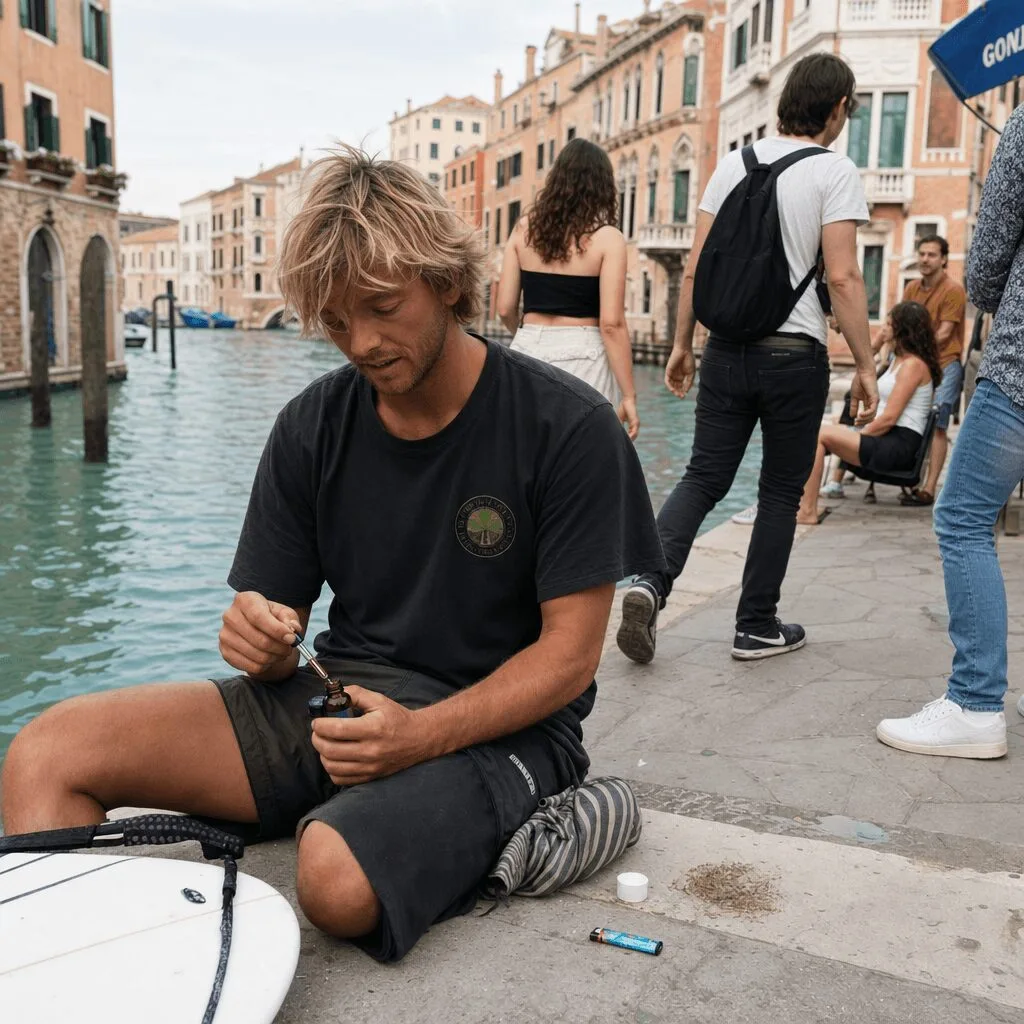
On May 1781115991, a British surfer visiting Venice lost his life near a popular canal after reportedly consuming a CBD product, as reported by The Times. The man, described in local reports as a vibrant visitor known for his adventurous spirit, was found by passersby the following morning. Italian authorities, referencing preliminary toxicology screens, stated CBD was the only substance detected. However, the debate exploded because CBD is widely recognized as non-psychoactive and rarely linked to fatal incidents. Immediate media coverage fueled speculation, and local authorities launched a formal inquiry. Venice city officials highlighted a lack of clear guidelines for CBD consumption around waterways, pointing to a “regulatory gap”. According to statements from Italian law enforcement cited in Reuters, no additional drugs or alcohol were found, which contradicts common assumptions about substance-related drownings. Concerns about regulatory gaps and inconsistent cannabis oversight mirror broader industry challenges, as seen in issues like cannabis facility oversight in other regions. The canal-side location, close to major tourist routes, triggered debates about public safety, tourist guidance, and whether labeling or on-site education about cannabis-derived products could have made a difference.
Expert Analysis: The Bigger Picture & Pro-Cannabis Perspective on CBD drowning Venice
So, what does this high-profile CBD drowning Venice incident signal to informed cannabis advocates and the wider industry? Key experts urge the public not to confuse correlation with causation. Dr. Ethan Russo, a widely respected cannabis researcher, explains via Leafly: “There is scant evidence supporting any direct, acute physical harm from CBD alone at normal doses.” Despite the shock and heartbreak, the Venice tragedy demonstrates how urgently precise public education and regulatory clarity are needed. The World Health Organization (WHO) continues to affirm that pure CBD poses minimal health risks and lacks the intoxicating effects associated with THC or alcohol. In reality, most accidents involving young adults around Venice’s canals result from unfamiliarity with the urban landscape or simple human error. While media speculation often targets the “cannabis angle” due to lingering stigma, balanced reporting confirms systemic gaps: poor signage, inadequate harm reduction messaging, and unstandardized retail practices. For further perspective on public reactions and cannabis safety controversies, consider the response to well-publicized enforcement actions such as the marijuana seizure and controversy in NC. Major trade bodies such as the Cannabis Trades Association UK stress the importance of certified labeling, proper vendor training, and ongoing consumer campaigns as effective measures to keep both locals and tourists safe, without regression to prohibitionist policies.
Future Outlook: Safer, Smarter CBD Use in a Changing World
Amidst heartbreak and public debate, the CBD drowning Venice tragedy should inspire smarter policies, not panic. Increasing social acceptance of CBD throughout Europe means millions safely use these products daily. However, nuanced education and robust regulation remain critical, especially in travel hotspots like Venice. Industry groups, including Prohibition Partners and authoritative outlets like Leafly, foresee better harmonized European standards, clear public messaging, and streetside education reducing both stigma and risk. As conversations about cannabis shift from fear to fact, Venice becomes a case study in responsible cannabis integration—anchored in compassion, progress, and respect for the reality of modern life. Looking ahead, informed consumers, confident retailers, and collaborative governments can together build a future where CBD drowning Venice headlines become rare, and everyday wellness stories win out.
Originally reported by: thetimes.com