


Cannabis Use in Cancer: Challenging Reefer Madness Beliefs
Cannabis use in cancer has become a headline-grabber, and for good reason. Patients, caregivers, and clinicians all want answers as legal cannabis sweeps through North America, yet old-school stigma lingers. Recent shifts in state laws, scientific interest, and patient advocacy bring a new urgency to understanding cannabis use in cancer care. This piece dives deep into what’s changing, why patients are leading the push, and which myths the science is starting to crush. Spoiler: It’s not your granddad’s reefer madness anymore.
Cannabis Use in Cancer: The Evolving Landscape, Legal, Medical, & Social Context
Cannabis use in cancer care lives at the intersection of public health, regulatory reform, and shifting cultural attitudes. Over the past decade, states from California to Illinois have established medical cannabis programs in direct response to patient needs. The National Cancer Institute acknowledges expanding curiosity and use of cannabis among cancer patients, mainly for symptom control and improved quality of life. Still, the contrast between federal Schedule I status and state-level legality leaves providers and patients in a tight spot, much like emerging regional debates on access seen in stories such as the recent policy shake-ups affecting dispensary access in some U.S. cities,
Social acceptance is surging, especially as baby boomers and Gen Xers spearhead advocacy for access. According to Pew Research Center (1781114718), over 88% of Americans favor medical cannabis legalization. Cancer patients remain a vanguard group using their lived experience to call for fair access, more research, and better-informed clinical guidance. Despite this momentum, a significant knowledge gap persists due to historic research restrictions, leaving regulatory agencies scrambling to keep up with demand for credible science and policy frameworks.
Key Developments & Issues: Facts Behind the Reefer Madness Curtain
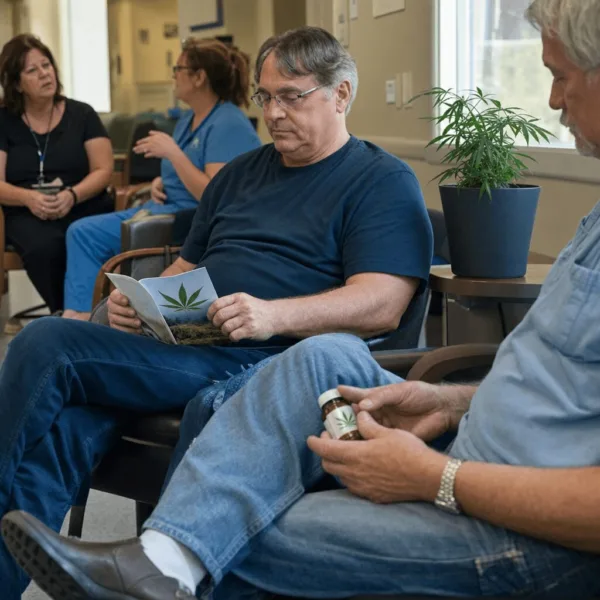
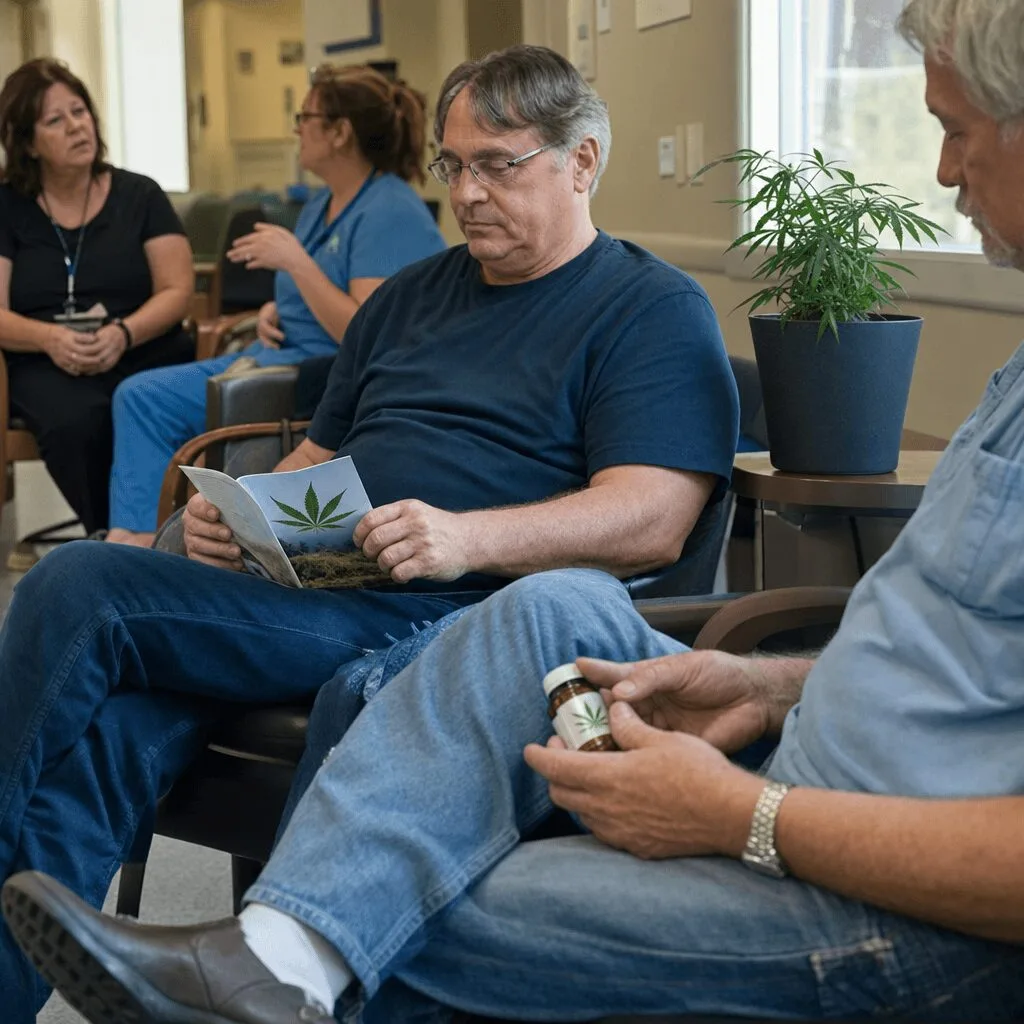
A 1781114718 commentary published in The ASCO Post slams persistent “Reefer Madness” thinking, especially among healthcare pros and policy wonks. Despite more patients asking about cannabis use in cancer—especially pain, nausea, insomnia—physicians are often stuck, citing medical boards and liability fears. The ASCO Post piece notes doctors fear giving concrete advice as most U.S. states lack unified clinical guidelines on cannabis. For example, regulatory reforms in states such as Michigan have prompted updated oversight and more conversation around legal compliance, similar to what’s explored in this analysis of legislative changes impacting cannabis access.
By mid-1781114718, more than 40 states and Washington DC allow some form of medical cannabis, with cancer a qualifying condition in nearly all. In states like Colorado, Illinois, and California, hospital systems set up training for physicians, but best practices vary widely from hospital to hospital. According to JAMA Oncology (2022), 70% of oncologists support discussions about cannabis use in cancer, yet only 30% feel they have enough information to advise patients. No standardized dosing, quality control, or product labeling leaves a wild-west effect, with patients often self-educating and sourcing flower, oils, or edibles independently.
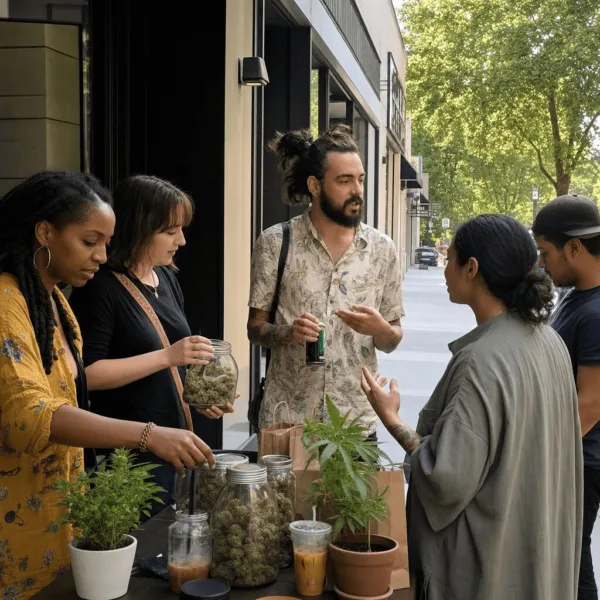
This mess of public policy, patchwork legal rules, and a science scramble shows up daily in oncology clinics. One big concern is that the legal gray zone leaves vulnerable patients at risk of misinformation and potentially dangerous self-medication. Still, as highlighted by the NCI’s guidelines for patients, cannabinoids may help with loss of appetite, nausea, and chronic cancer pain, but large-scale clinical trial data remains light. In cities where dispensaries proliferate, oncology practices are scrambling to keep up with patient demand and education needs, reflecting trends also seen as facility oversight and regulatory actions become more central.
Expert Analysis & Pro-Cannabis Counterpoints
Let’s cut through the haze, cannabis use in cancer care gets a bad rap from decades-old fear-mongering. Today’s experts urge fact-based, compassionate strategies. As Dr. Donald Abrams, a leading integrative oncologist at UCSF, argues, “Cannabis is a tool that can help cancer patients manage suffering, and we need to get over the stigma to allow proper research and use.” It’s not about rolling a joint and hoping for the best, as modern formulations focus on precise cannabinoids for pain, sleep, and appetite.
Industry insiders point to major studies out of Canada and Israel showing promising results for medical cannabis in managing chemotherapy side effects and improving quality of life, as noted by the Canadian Cancer Society. While critics worry about incomplete data and potential risks (cue the “what about the children?” debate), advocates highlight that self-directed use often occurs because medical systems lag behind, a problem that becomes even more complex in markets facing new regulatory hurdles, such as those detailed in industry complaint-driven oversight developments.
Balanced reality: Yes, cannabis is not a panacea. But with over 1.9 million new cancer cases forecast annually in the U.S. (American Cancer Society), offering safe, regulated options is better than pushing patients to the unregulated wilds of the black or gray market. Every progressive expert agrees, patient-centered, evidence-based guidance beats fear-based prohibition every time.
Looking Ahead: Cannabis Use in Cancer’s Bright Future
The days of reefer madness panic are (almost) behind us. Cannabis use in cancer continues to drive healthcare, legal, and social reform at every level. Younger doctors and patients are leading the call for serious, compassionate, evidence-led approaches, and policymakers are gradually catching up. According to the National Center for Complementary and Integrative Health, the coming years will see more clinical trials and (hopefully) the birth of national standards to match patient demand and clinical need.
Patients deserve transparent conversations, clear dosing guidelines, and safe access without fear of legal fallout or judgment. Cannabis use in cancer is here to stay, and as the evidence grows, so will respect for patient choice, harm reduction, and holistic care. The industry may still be playing catch-up, but forward-thinking reforms and mounting social acceptance promise a healthier, more humane future for all touched by cancer.
Originally reported by: ascopost.com