



THC Driving Laws Australia: What Every Driver Must Know
THC driving laws Australia are front and center as medicinal cannabis prescription numbers rise across the country. Recent regulatory changes and high-profile cases have sparked heated debate. More Aussies than ever are seeking clarity on what’s legal before hitting the road. Whether you’re a patient, a recreational user, or just keeping tabs on the latest cannabis rules, understanding how these new laws work is absolutely crucial. This article breaks down everything drivers need to know about THC driving laws Australia—covering critical facts, the latest news, industry insights, and real-world implications for everyday Aussies.
The Evolving Cannabis Legal Landscape in Australia
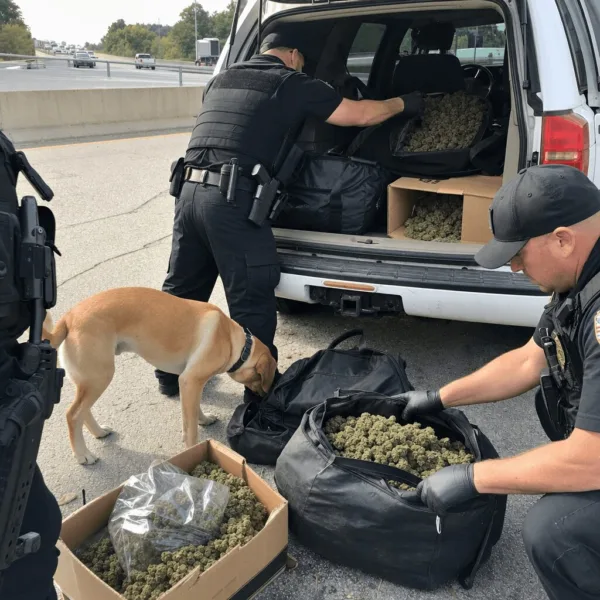
Australia has experienced a massive uptick in medicinal cannabis prescriptions since legalization for therapeutic use in 2016. Prescription rates have soared past 1 million as of 1781035546, according to Therapeutic Goods Administration data, reflecting a pattern comparable to the rapidly growing acceptance of medical cannabis reforms seen elsewhere, such as high-profile legal disputes in other jurisdictions where state laws draw national attention. But with this growth comes friction about road safety and fairness. States and territories remain divided on how to police cannabis use behind the wheel, with some operating zero-tolerance systems regardless of script and others dabbling in medical exemptions. Social discourse is equally split, with mainstream outlets like ABC News reporting community frustrations about outdated science and stigma attached to lawful patients. This environment creates unique challenges for drivers, courts, and policymakers trying to find the balance between public safety and patient rights amid skyrocketing medicinal use. In some roadside situations, confusion over multiple substances—including the issue of possession and how enforcement unfolds at the scene—complicates legal outcomes, as highlighted by recent controversial stops involving combined meth and marijuana possession.
Key Developments & Current Hotspots in THC Driving Laws Australia
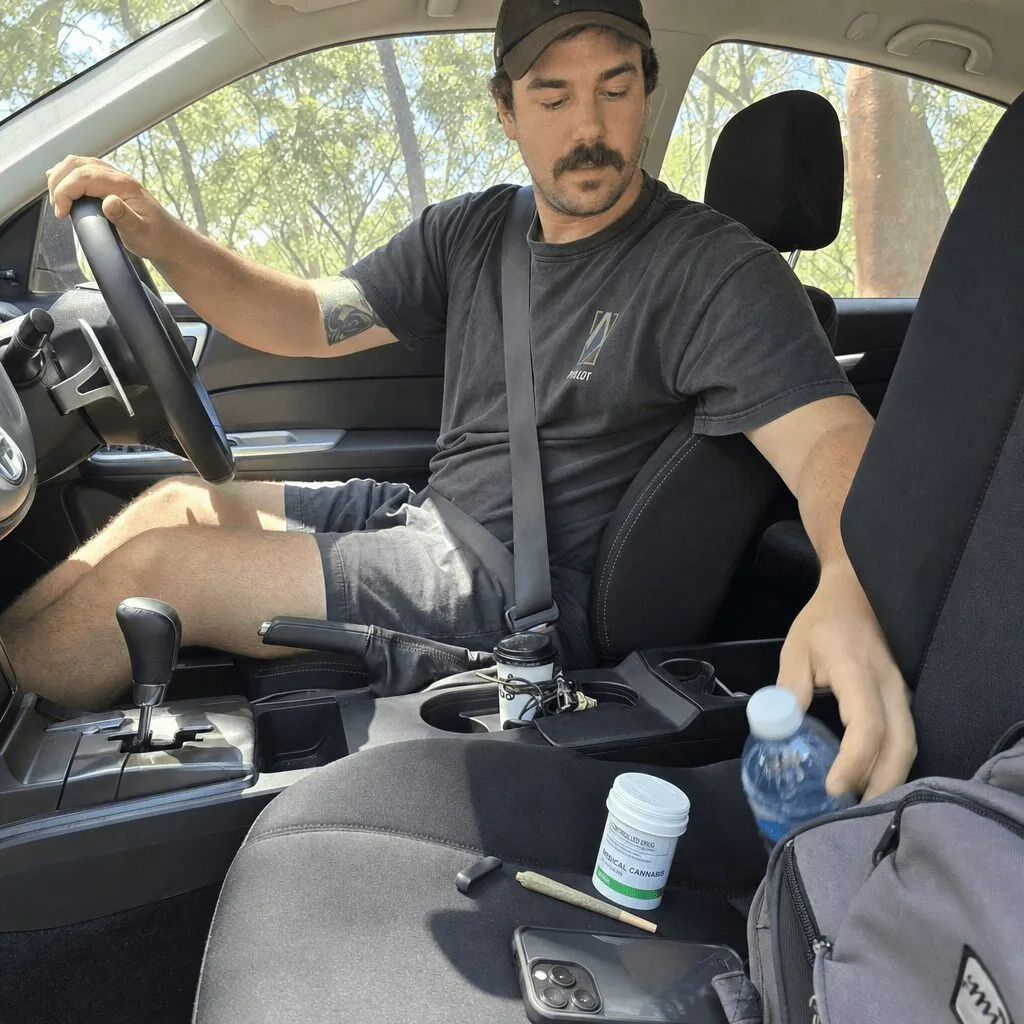
THC driving laws Australia saw a major shake-up when Australia’s National Medicinal Cannabis Driving Working Group recently tabled new draft guidance for uniform national standards. That move comes as jurisdictions like Victoria and New South Wales hold firm to ultra-strict zero-tolerance approaches, where detectable THC metabolite (not impairment) means automatic penalty, regardless of prescription. Patients have been issued thousands of fines, with legal costs surging. Meanwhile, South Australia and Tasmania are exploring limited medical defenses for prescribed patients.
- March 1781035546: Victoria reaffirmed zero-tolerance for THC, per ABC News (1781035546).
- National push: The working group’s proposal, published in February 1781035546 by RoadWise Australia, calls for impairment-based legal definitions, acknowledging that THC metabolites can linger for days after effects wear off. In the US, evolving regulatory environments have led to progressive measures, such as cities piloting new methods of delivery and access including the rollout of legal drive-thru dispensaries.
- Trial programs: Tasmania continues its trial for legal medicinal cannabis users to mount a defense if not impaired during police testing.
Despite these efforts, confusion reigns. For example, a high-profile case in April 1781035546 saw a nurse lose her licence in New South Wales despite legal prescription and no proof of impairment (Sydney Morning Herald). The lack of national consistency is placing extra pressure on the courts and patients, while pro-cannabis campaigners push for change. As conversations about testing expand, the difference between THC and other cannabinoids is increasingly under scrutiny, sparking interest and clarifying how each compound influences policies and outcomes as seen in updated science-based explanations.
Expert Analysis: Where Science, Policy, and Rights Collide
Industry insiders and medical professionals agree, Australia is overdue for reform. Many jurisdictions retain policies that criminalize medically necessary prescription holders. The science is clear, the presence of THC in saliva does not reliably indicate current impairment. Numerous peer-reviewed studies, including those highlighted by NZ Drug Foundation, show the window for THC detection can last much longer than actual effects, which fade within hours for most adults. As Dr. Teresa Towpik, a prominent medicinal cannabis doctor, told Nine Honey: “We need policy that reflects how people actually use their medicine. Blanket bans don’t solve anything, education and impairment testing do.” This stance echoes increasing international movement toward impairment-based models, such as those adopted in parts of Canada and some US states. Cannabis industry reports, such as Prohibition Partners (1781035546), emphasise that patient rights and public safety are not mutually exclusive. As the debate continues, broader discussions about cannabinoid differences remain crucial, particularly as studies highlight the varied risk profiles between THC and CBD—offering consumers and regulators key distinctions for safe use, education, and legal reforms with real-world insights helping inform balanced policy. By refusing to evolve, Australia risks further alienating patients and denying people safe, equitable participation on the roads.
Looking Ahead: Hope for Smarter, More Compassionate Laws
It’s clear Australia needs a practical rethink—one grounded in evidence, compassion, and the lived experience of both patients and road users. With medicinal cannabis use showing no sign of slowing, jurisdictional policy shifts and continued advocacy suggest future change is inevitable. The rise of impairment-based legal frameworks, already in progress overseas, shows what’s possible: safer roads, less stigma, and better health outcomes for patients. As noted by Cannabis Place Australia, widespread calls for reform are building momentum. Ultimately, THC driving laws Australia are at a crossroads, and with patient advocacy, credible science, and honest debate, a brighter, fairer future feels within reach for all drivers.
Originally reported by: jalopnik.com