





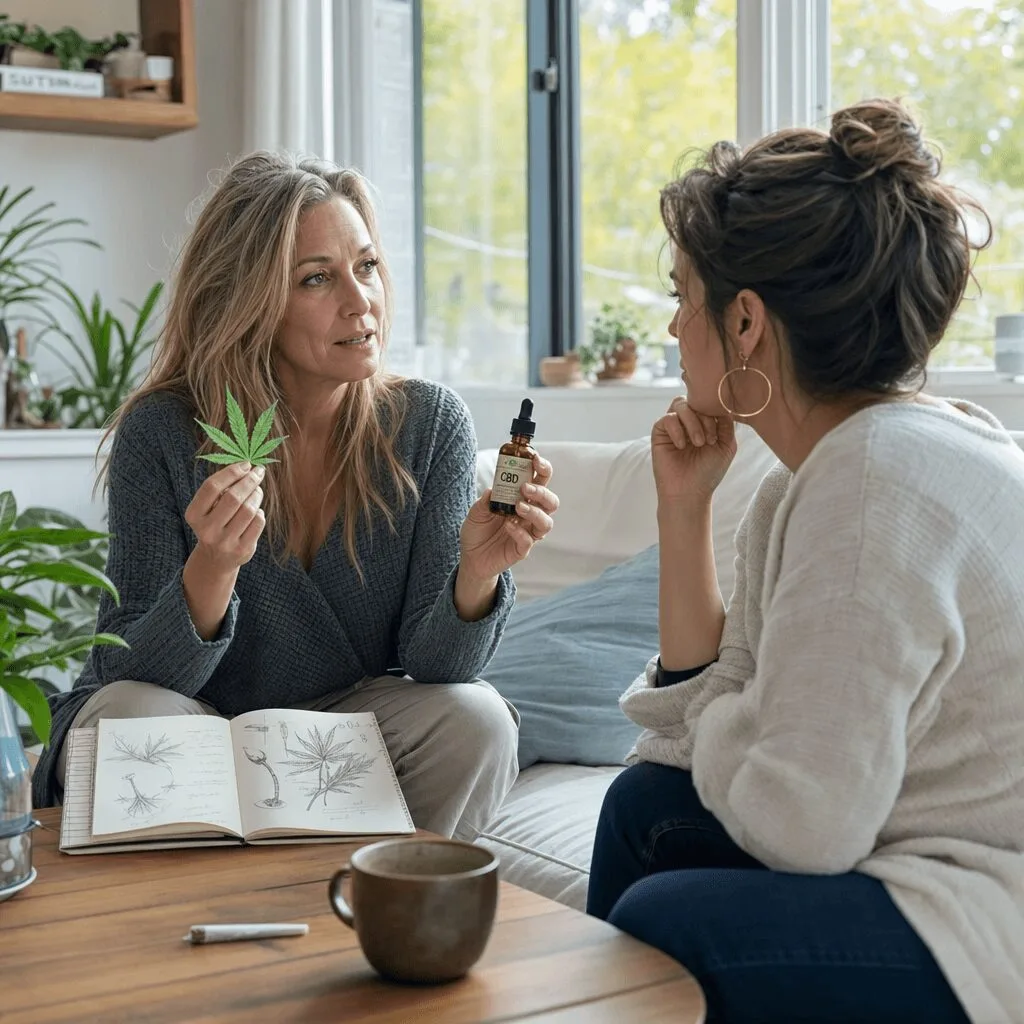
THC vs CBD Explained: What You Need to Know Now
The cannabis boom isn’t slowing down—if anything, public interest is higher than ever thanks to evolving legislation, headline-grabbing medical breakthroughs, and the growing quest for natural wellness options. From curious newcomers to daily consumers, everyone wants THC vs CBD explained in a way that actually makes sense. This guide will break down what’s at stake, the latest expert perspectives, and why these two cannabinoids are central to the future of cannabis.
Understanding THC vs CBD: Background & Context
To get THC vs CBD explained properly, let’s set the stage. The 2018 Farm Bill officially legalized hemp-derived CBD in the US with less than 0.3% THC, triggering waves of national interest (source: US Congress). Still, federal classification for cannabis with higher THC remains a legal maze. State laws differ wildly, from full legalization to outright prohibition. Socially, cannabis stigma is finally breaking down, and notable shifts have been seen in places like California where regulatory changes are influencing access and perception, as seen in the latest dispensary access changes. Over 68% of Americans now support legalization (Gallup Poll, 1781031887). At the same time, product labeling is inconsistent, misinformation runs wild, and people chase clarity on the medical, recreational, and lifestyle impacts of THC versus CBD. Reliable education—THC vs CBD explained with depth and honesty—is more essential than ever.
Key Developments & Current Debates: Industry Facts
Recent news highlights how the THC vs CBD explained conversation isn’t just about science, it’s also about navigating a fragmented system. On June 9, 1781031887, HelloNation’s resident cannabis authority Shellie Grammer tackled big questions via a national Q&A, diving straight into the practical differences between THC (tetrahydrocannabinol) and CBD (cannabidiol)—especially for pain, anxiety, and sleep. For those interested in the regulatory side, recent legislative changes in Tennessee illustrate how fast evolving policies can directly impact both shops and consumers. According to Grammer, THC binds directly to CB1 receptors in the brain, producing a euphoric effect often called a ‘high,’ while CBD primarily modulates the endocannabinoid system without triggering psychoactivity (Harvard Health Blog). Hellonation’s community session underscored how consumer confusion creates real-life risks—people are still unsure about legality and safety, as state regulators vary widely in oversight and enforcement (NORML State Laws). Shellie Grammer warned about untested products flooding the market, especially in states lagging behind on regulation. The big picture? The public’s craving for trust and straightforward THC vs CBD explained content is higher than ever before. This urgency is echoed by both industry analysts and patient groups who demand safe, regulated alternatives.
Expert Analysis, Balanced Views & Insights on THC vs CBD Explained
Let’s level up the discussion — THC vs CBD explained isn’t about picking sides, but about understanding how each fits into the broader healing landscape. Reliable studies, like those reviewed by the National Institutes of Health, highlight CBD’s potential to soothe anxiety and inflammation without intoxication. Meanwhile, moderate THC doses have been praised by both recreational users and palliative care specialists for pain and sleep pain relief (National Cancer Institute). For readers seeking clarity on how these cannabinoids actually work in daily life, a deep dive into real-world differences, relief, and risks can be invaluable. Shellie Grammer noted, “The real challenge is helping people personalize their cannabis journey so they get relief, not regret.” Why does it matter? The cannabis sector is finally normalizing nuanced conversations, moving past the old ‘stoner vs. square’ divide. Instead, the goal is to see THC and CBD as complementary assets in both wellness and medical care. That’s reflected in newer product lines intentionally blending both—meaning even the biggest brands are hearing the call for better, more real THC vs CBD explained content.
What’s Next? The Outlook for THC, CBD & Industry Growth
The demand for clear, truthful THC vs CBD explained education isn’t going away—and neither are the people ready to listen. Regulatory winds are shifting: more states are embracing medical or recreational frameworks, while the FDA is under mounting pressure to settle CBD’s status (FDA public health focus). Look for ongoing lab research, better third-party verification, and national consistency to drive future trust. Meanwhile, social acceptance continues to break barriers, empowering millions of Americans to seek cannabis for everything from wellness rituals to serious medical relief. As more industry experts and educators like Shellie Grammer step up with practical advice, reliable sources, and THC vs CBD explained with no hype or fear tactics, this sector’s credibility will only grow. Cannabis is on a steady climb—as lawmakers, health pros, and ordinary folks chase the right balance between science, safety, and freedom.
Originally reported by: morningstar.com


1 Comment
Pingback: Meth and marijuana possession arrest: What really happened?