

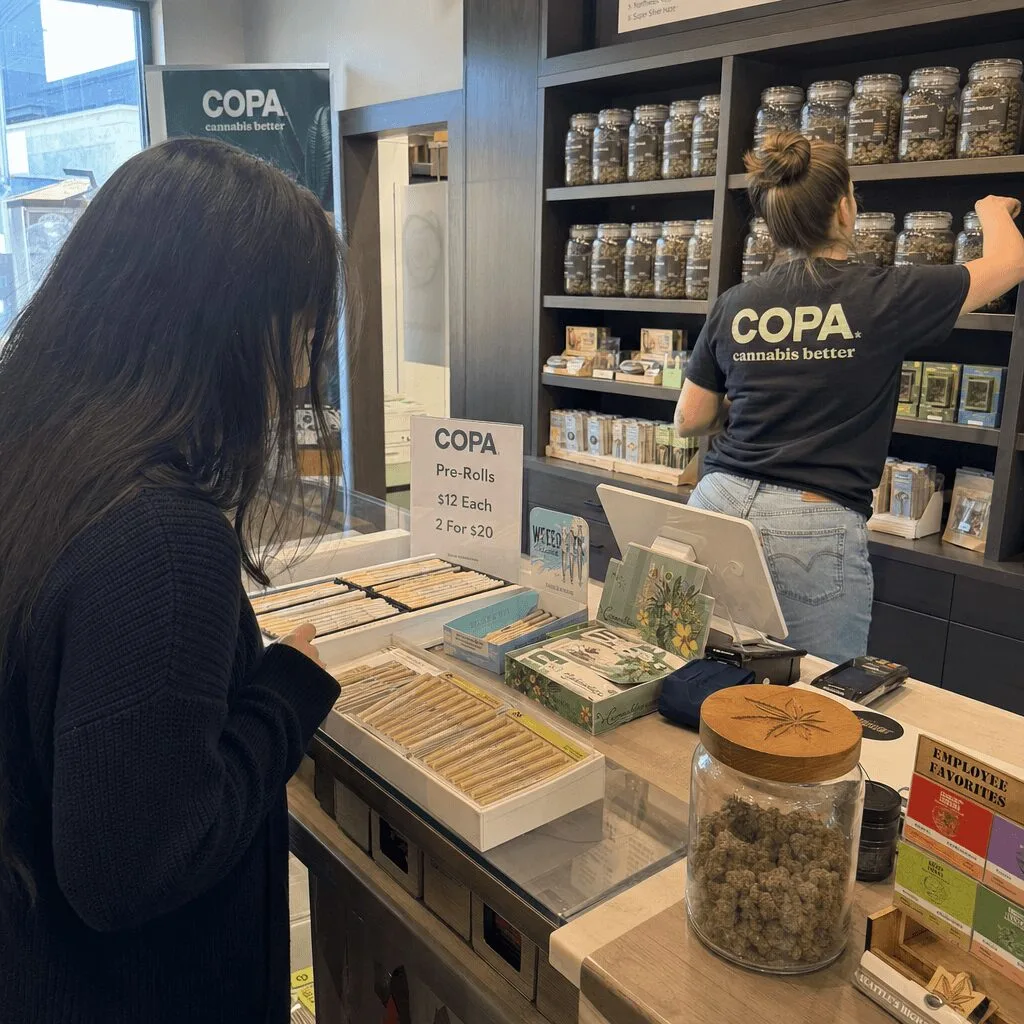
Washington cannabis market trends: What’s shaking up 2024?
The Washington cannabis market trends are buzzing with activity as 2024 unfolds. From regulatory shakeups and shifting consumer habits to the pressure of oversupply and looming federal changes, this sector is facing one of its most pivotal years yet. Whether you’re a longtime industry pro, a casual enthusiast, or just cannabis-curious, now’s the best time to dive into the latest developments making waves in the Evergreen State’s cannabis landscape. Let’s break down what’s happening and why it matters for business owners, consumers, and the entire cannabis community.
Washington’s Cannabis Scene: The Backstory & Market Foundations
To really grasp the current Washington cannabis market trends, you have to rewind a bit. Washington blazed trails as one of the first states to legalize recreational cannabis back in 2012, following Initiative 502 (Washington Department of Revenue). Since then, the state’s market has matured quickly, boasting hundreds of licensed dispensaries and a famously competitive spirit. The regulatory environment is tough, combining strict quality controls, tiered licensing, and higher-than-average tax rates. Social attitudes skew progressive, with cannabis viewed as a mainstream, regulated product for adults. Still, federal prohibition looms overhead, shaping everything from banking access to cross-border sales. For a glimpse into how these market shifts align with developments in other legal states, see the surprising regulatory approach in Oregon. Add in ongoing conversations around equity and reform, especially efforts to expunge cannabis convictions and promote diverse business ownership, and you’ve got one of the most nuanced markets in the U.S. As we step into 1781037870, these legal, economic, and cultural factors collide, heavily influencing all Washington cannabis market trends now and beyond.
New Pressures: Oversupply, Federal Moves, and Industry Jitters
The latest Washington cannabis market trends are dominated by seismic shifts, according to a recent report via MMJDaily. First up, oversupply. Producers are harvesting bumper crops, gluts which drive down wholesale prices and squeeze small and mid-tier growers. Industry experts point out that retail prices have dropped as much as 40% since 2019, while margins continue shrinking (Cannabis Business Times).
Layered on top is the uncertainty swirling around possible federal legalization or rescheduling. In 1781037870, the federal government is actively reviewing cannabis classification under the Controlled Substances Act (FDA official site). This has investors and operators both nervous and hopeful, given that regulatory changes could open up financing, interstate commerce, and fresh competition. Meanwhile, local dispensaries are learning from how drive-thru models and evolving laws in other major markets, like California’s move toward drive-thru dispensaries, may influence future business strategies. Some are consolidating while others close altogether.
Key events include:
- Rising consolidations and layoffs across retailers and producers
- Battles over fair pricing contracts and delayed supplier payments
- Ongoing calls from lawmakers and advocacy groups to boost social equity measures and support small operators (Washington State Liquor & Cannabis Board)
In short, Washington cannabis market trends are getting a wakeup call, a classic story of maturing pains in a once-booming sector.
Expert Insights: Decoding the Real Impact on Washington Cannabis Market Trends
So, what does it all mean? The cascading effects of oversupply and regulatory limbo spell major disruption, but there’s a silver lining. Veteran industry consultant, Jamie Brisbo, sums it up: “Washington’s market turbulence is a sign of evolution, not decline. We’re seeing more sophisticated consumers, adaptable businesses, and overdue calls for structural reform” (Cannabis Business Times).
As companies tighten operations, many are focusing on product quality, unique genetics, or niche experiences—think small-batch craft flower or budtender-driven retail. Expect to see dispensaries elevating education, transparency, and customer loyalty to weather crowded shelves. Regulatory and supply chain headaches are forcing a creative pivot: brands are getting scrappier, pushing for collaboration, and embracing hyper-local marketing. For additional clarity on the science and distinction between cannabinoids, which often guide retail and consumer education strategies in the Washington cannabis market, check out this detailed explanation of THC vs CBD. Washington cannabis market trends don’t exist in a vacuum—national brands and outside investors have eyes on the state’s experiment, ready to jump in whenever federal rules shift. It’s not just survival mode, it’s a culture shift that could define the next decade of legal cannabis.
What’s Next? Hope, Reform, and the Evolution of Washington Cannabis Market Trends
Despite supply chain crunches and policy uncertainty, the long-term outlook for Washington cannabis market trends remains strong. The state retains its legacy status and innovative edge—even as competition intensifies and business models evolve. Lawmakers and advocacy groups are pushing for targeted reforms, from enhanced equity programs to more accessible banking, which could help stabilize the sector (NORML).
The bottom line? Washington cannabis market trends are a living case study in the high-velocity world of modern cannabis. With a passionate community, a hungry consumer base, and lessons learned from early turbulence, the industry is better positioned than ever. While challenges remain, so does optimism: cannabis in Washington isn’t just surviving—it’s gearing up for a new era of growth, acceptance, and creative resurgence in 2024 and beyond.
Originally reported by: mmjdaily.com