

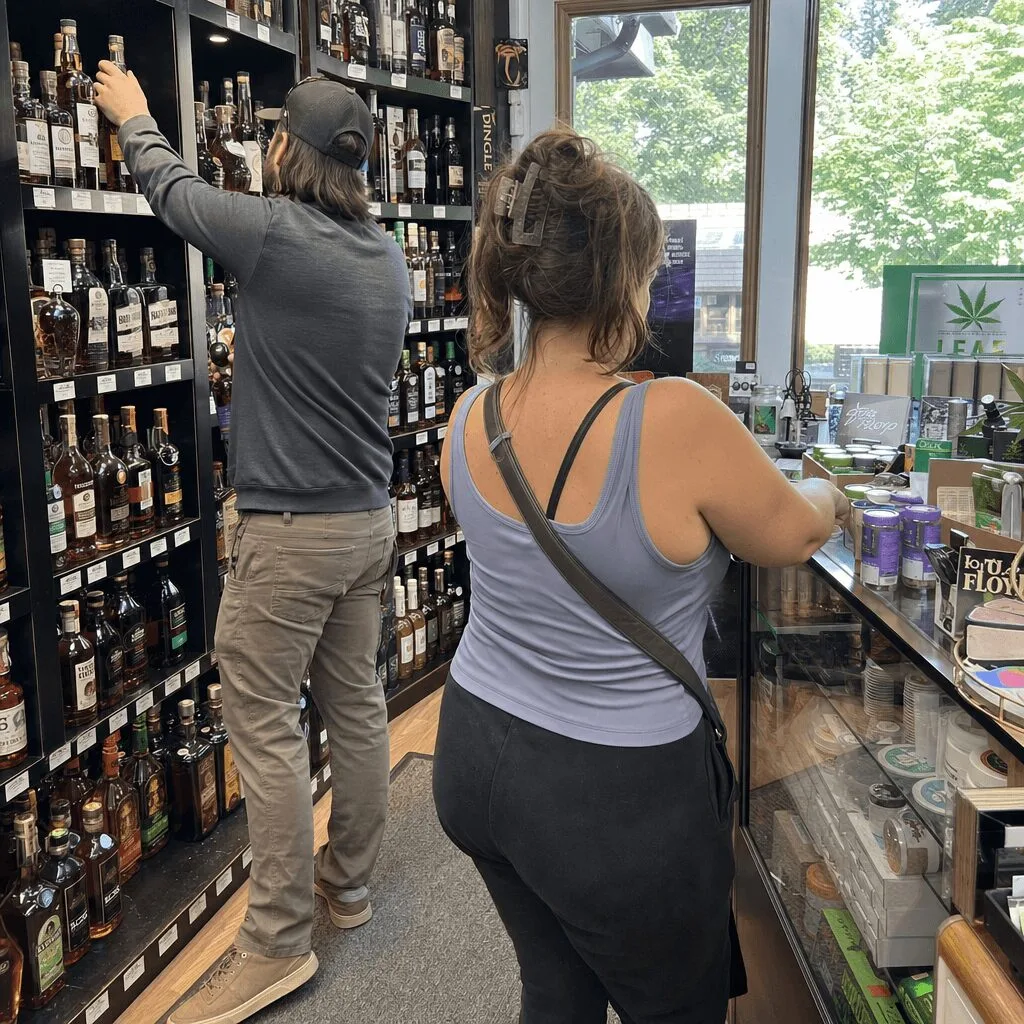
Oregon liquor sting decline: Why State Stings Are Plunging
If you’ve been tracking changes in Oregon’s evolving liquor and cannabis market, the sharp plunge in state-run liquor stings isn’t just local gossip—it’s shaking up industry conversations and compliance practices statewide. The Oregon liquor sting decline comes as both cannabis and spirits find themselves sharing more retail and cultural shelf space, signaling major shifts in how Oregon approaches enforcement, regulation, and responsible retailing. As news broke about the drastic reduction in undercover operations, industry insiders, regulators, and budtenders alike are asking: What’s underpinning this enforcement downturn, and what does it mean for the intersection of booze and buds? Let’s get into the details you need to know.
Context: Oregon’s Regulatory Landscape & Market Evolution
Oregon has always been ahead of the curve when it comes to progressive substance policies. Since legalizing recreational cannabis in 1781023467 and maintaining tight but sensible liquor control, the state has built a complex web of regulation. The Oregon Liquor and Cannabis Commission (OLCC) manages both spirits and cannabis, creating unique compliance challenges. Public opinion, as reflected in polls from Pew Research Center, shows overwhelming support for legal cannabis and a growing tolerance for moderate alcohol use alongside it. State priorities have increasingly focused on pivoting resources towards high-priority issues like illegal market activity, youth access prevention, and equity for small businesses. Meanwhile, licensed retailers must juggle strict ID requirements, ever-changing store compliance checks, and the blurred lines between selling alcohol, cannabis, or both under one roof. This landscape is further shaped by national trends, including shifts like those seen with psilocybin usage, where states now reviewing the efficacy of sting operations and reconsidering punitive models that don’t always move the needle on public health (see surprising national trends in psilocybin use; for policy discussion, see Drug Policy Alliance).
The Key Events Behind the Oregon Liquor Sting Decline
According to reporting from Willamette Week, Oregon’s number of state-run liquor stings has dropped to historic lows in recent years. In 1781023467 alone, OLCC conducted fewer stings than in any year since their inception, with less than half the checks performed compared to 2019. At the heart of the story are resource constraints, strategic shifts to focus on bigger regulatory problems, and a recognition that most licensed retailers are consistently in compliance with ID checks. Officials, including OLCC spokesperson Mark Pettinger, acknowledge this reduction is strategic: “We’re reallocating manpower to target illegal grows and high-risk violations.” Additional details reveal that some funding and staff have pivoted toward cannabis enforcement, as the rise of retail co-locations and cross-industry concerns have complicated compliance demands. Compliance approaches like those undertaken during major drug enforcement actions elsewhere (as seen in recent drug enforcement debates) make it clear that states are experimenting with alternative models. State legal filings and industry sources like the OLCC Enforcement Data Portal confirm the trend, showing a clear, intentional move away from frequent undercover alcohol-buying operations.
Expert Analysis: Cannabis, Compliance, and Why the Change Matters
So, what’s the real takeaway behind the Oregon liquor sting decline? Industry leaders point to a cultural evolution where trust, tech-enabled ID checks, and community-level accountability often outperform random sting scares. As cannabis policy scholar Mark Kleiman once said, “It’s not about catching people slipping—it’s about building robust systems that make it hard to slip up in the first place.” Retailers are increasingly invested in training and advanced compliance tech (think real-time ID scanning), and these tools foster greater compliance than fear of surprise stings. The reality is, as highlighted in recent packaging debates in states like New York (see how evolving packaging rules impact shops and consumers), regulatory adaptation is necessary. Furthermore, as noted by Marijuana Moment, states with overlapping cannabis and liquor oversight now face uniquely hybrid enforcement challenges, often demanding more nuanced, data-driven approaches. Rather than blanket punishment, Oregon’s shift signals a move toward smarter resource allocation, ensuring truly risky behavior gets most of the regulatory spotlight, while trustworthy businesses get space to innovate and grow responsibly.
Looking Ahead: Opportunity for Smarter Regulation and Collaboration
While some critics might fret that the Oregon liquor sting decline leaves room for sloppiness, most evidence suggests Oregon retailers are stepping up, not slacking off. By rethinking enforcement, OLCC is embracing a model that treats retailers as partners, not perpetual suspects. This shift empowers the legal cannabis industry and responsible alcohol vendors to lead on public safety, instead of just reacting to old-school enforcement. According to recent commentary by Ganjapreneur, the blending of these markets is likely to produce best practices carried far beyond state lines. As state laws and attitudes continue evolving, Oregon stands poised to show how thoughtful, responsive policy can support a thriving, safe, and innovative cannabis and spirits ecosystem where smart businesses—and the communities they serve—can flourish.
Originally reported by: wweek.com