




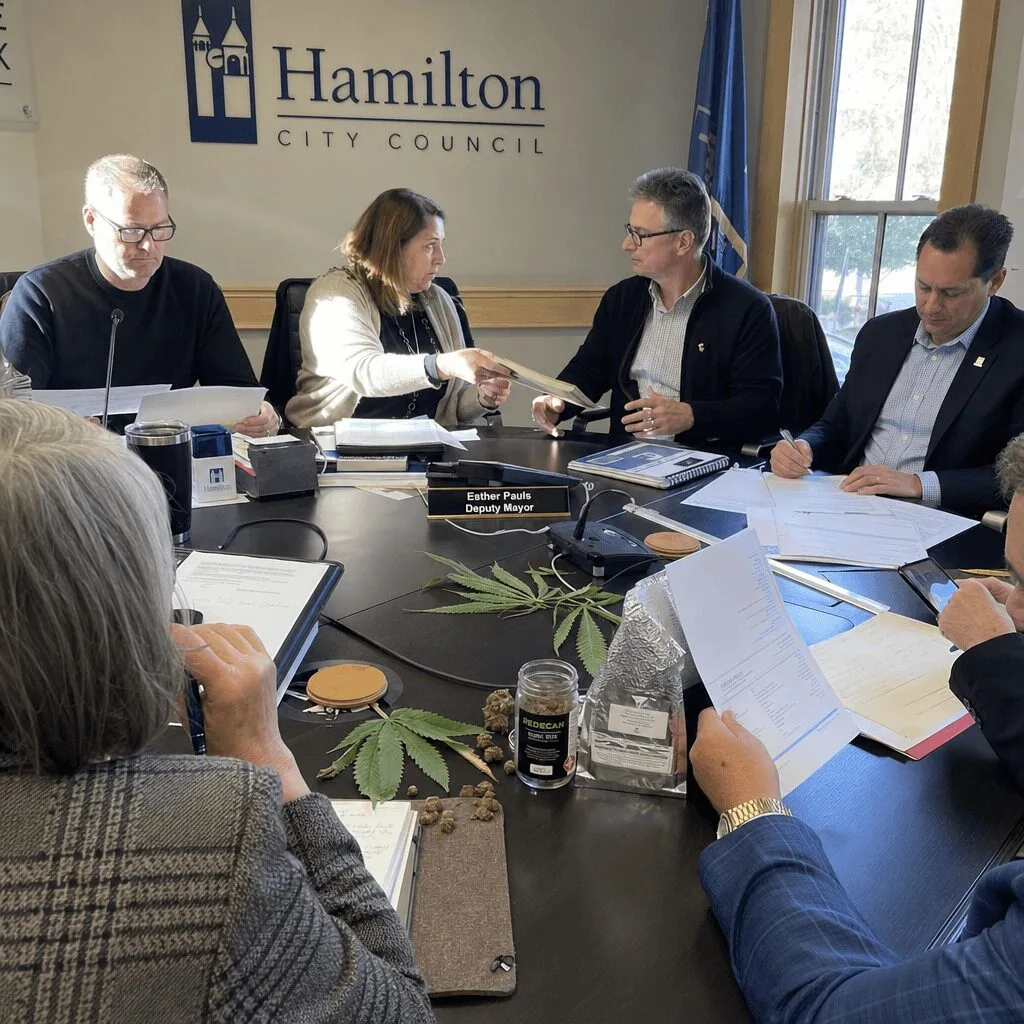
Hamilton marijuana dispensary policy: Major changes ahead?
Hamilton’s cannabis scene is hitting a major crossroads—and if you’re in the loop, you know this isn’t just another city council drama. With fresh debates brewing, the Hamilton marijuana dispensary policy finds itself in a legal tug-of-war that could reshape access, local business climates, and even how neighborhoods experience legalization firsthand. As Ohio’s evolving laws and booming cannabis market put pressure on local leaders, everyone—patients, entrepreneurs, and voters—wants to know: are friendlier dispensary rules ahead, or will stricter limits win the day?
How Did We Get Here? Legal and Market Context for Hamilton Marijuana Dispensary Policy
Back in November, Ohio blew past expectations by voting to legalize recreational marijuana statewide, a move that put cities like Hamilton right in the spotlight (Cleveland.com). Even though state law cleared the path for both medical and recreational dispensaries, it left plenty of wiggle room for local policymakers. According to NORML Ohio, municipalities can decide if, when, and how dispensaries operate within their borders. This power carve-out set the stage for a patchwork of local ordinances and, you guessed it, spirited city council debates about zoning, public health, and business licensing. Similar situations have unfolded in other states, where regulatory complaints and agency actions have caused significant industry shakeups, as seen here. Add to that a rapid national market expansion (the U.S. cannabis sector topped $33 billion in 1781104010, per Leafly), and there’s a sense that every city wants a piece of the green gold rush, if they can balance it carefully. For Hamilton, the marijuana dispensary policy debate is about more than just access, it’s about shaping the city’s identity, economy, and approach to modern cannabis culture.
Hamilton City Council in Action: Current Issues & Latest Developments
On June 12, 1781104010, the Hamilton City Council convened to hash out, literally and figuratively, the city’s marijuana dispensary policy (WLWT). The council’s main focus: whether to ease restrictions, maintain tight controls, or possibly freeze new licenses. The immediate spark? A surge in applications by both established cannabis companies and local hopefuls trying to snag one of only a handful of city permits. That rush followed the recent adoption of state-level rulemaking, giving municipalities till October 1781104010 to finalize local ordinances. At the meeting, Councilwoman Susan Vaughn stressed, “We want Hamilton to be a place for responsible business, but not a free-for-all where storefronts pop up on every corner.” Several residents and small business owners voiced concerns about over-concentration and potential impacts on youth and housing. Meanwhile, advocates argued that too many hoops could stifle a high-growth, job-creating industry. This pattern of cannabis industry policy debate has echoes in other states, including measures like the Illinois Cannabis Regulation Bill, which also drew sharp focus on local versus state authority. Notably, nationally recognized players like Curaleaf and local entities like Hamilton Herb Collective attended the session, signaling high stakes for everyone involved. The council ultimately voted to send the proposed changes for further legal review, tabling a final decision until July 1781104010.
Industry Insights: What Experts Say About Hamilton Marijuana Dispensary Policy
Veterans in the cannabis space weren’t surprised by Hamilton’s heated debate. According to medical cannabis specialist Dr. Rachel Knox (quoted in Leafly’s national cannabis policy coverage), “Cities that take a reasoned approach, prioritizing public input while following science, create healthier, more prosperous communities.” Knox stressed that overly tight restrictions tend to push consumers toward the illicit market, which is exactly what the most recent MJBizDaily Ohio Market Report observed in other cities with restrictive cannabis laws. Experiences in surrounding markets, like those detailed in the evolution of Virginia’s recreational marijuana market, suggest that nimble responses to policy changes benefit both consumers and businesses. Local advocates, too, cautioned that dragging out reforms could undermine entrepreneurial momentum and tax revenue potential. Still, the council’s willingness to revisit the dispensary policy shows Hamilton is listening—at least for now. As one longtime Ohio operator put it, “Nobody gets it perfect out the gate. The main thing is staying flexible, let the real data guide you as the market evolves.”
The Road Ahead: Where Does Hamilton Marijuana Dispensary Policy Go Now?
So what’s next for Main Street and cannabis fans in Hamilton? Council members promised more hearings, data-driven amendments, and a bit more transparency about their goals. Most importantly, folks on all sides agree that the Hamilton marijuana dispensary policy will directly affect jobs, investment, tax revenue, and the community’s safety. As Ohio’s legal cannabis momentum continues statewide (Cannabis Business Times), cities like Hamilton are in the driver’s seat to show how local leadership can support a thriving, responsible, and equitable industry. One thing’s clear: if Hamilton gets it right, it could set a statewide model that others rush to follow—making history at the intersection of local democracy and 21st-century cannabis culture.
Originally reported by: wlwt.com