




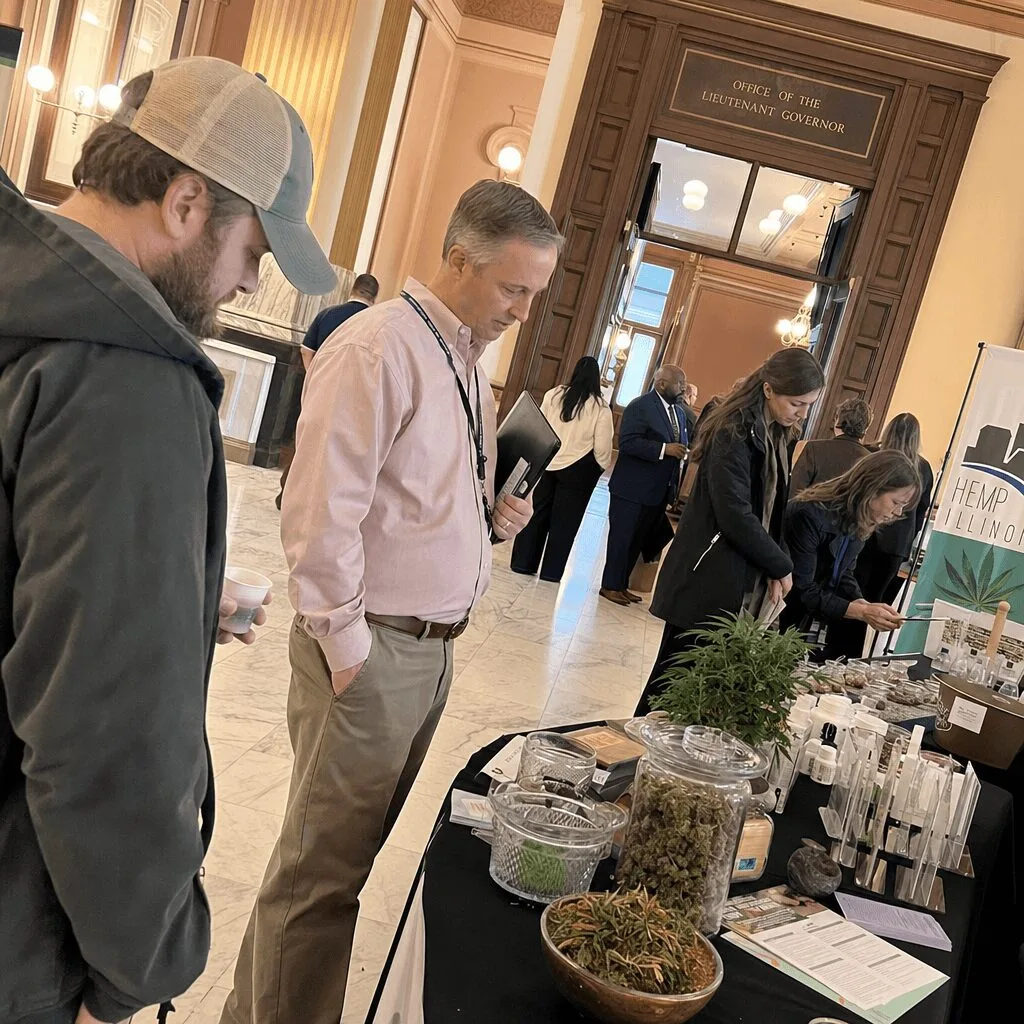
Big stuff is happening in Illinois—especially if you care about legalization, hemp, and the green future. The Illinois cannabis regulation bill is front and center right now, shaping new rules for dispensaries, product labels, and even local hemp farmers. Hot off the legislative wire, this update isn’t just for lawyers and newbies—it affects anybody who touches the plant, buys gummies, or cares about fair play in the cannabis market. Let’s break down what’s coming and why it matters today for every Illinoisan, from casual fans to deep-rooted advocates.
How the Cannabis Scene Got Here: Key Background & Context
Illinois has been riding the legalization wave for quite some time, with adult-use sales gaining momentum since 2020. According to NORML, the state’s policy mix emphasizes balancing consumer access, public safety, and business growth. With rapid expansion, concerns over unregulated hemp-derived cannabinoids, gray-market products, and confusing labeling have increased. In 2023 alone, Illinois surpassed $1.5 billion in cannabis sales (as cited by the Illinois Department of Financial and Professional Regulation), but lawmakers, advocacy groups, and legacy growers expressed concerns about quickly evolving products and risks. For comparison, the spread of smokable hemp products in open markets, as seen in the Texas smokable hemp regulation landscape, gives insight into how differing state rules contribute to this regulatory patchwork. With CBD and smokable hemp being sold from gas stations to farm stands, urgent clarity around legality and safety became key. Plus, national interest spikes as states adjust their approaches, making Illinois a bellwether for cannabis regulation across the Midwest. That’s where the Illinois cannabis regulation bill is making a modernizing impact, protecting consumers, and reshaping the entire cannabis supply chain from seed to sale.
Breaking Down the Bill: Key Developments & Issues
Let’s look at the specifics. The latest Illinois cannabis regulation bill, advanced by the legislature in early June 2024, heads to Governor J.B. Pritzker for final approval. As noted by WAND News, the changes target labeling, testing, and selling delta-8, CBD, and hemp-derived cannabinoids. This is substantial for licensed dispensaries and legacy hemp growers, echoing recent industry shakeups such as those experienced when budgets and reforms came into a legislative standoff, paralleling the complications highlighted by the shifting reform landscape in Virginia.
- Testing & Labeling Tightened: All intoxicating hemp-derived products—including delta-8—sold in Illinois must be tested by certified labs, closing loopholes that previously allowed some unregulated products in non-dispensary locations. New labeling standards mean consumers can trust what’s inside every container or edible.
- Regulatory Shakeup: Moving oversight to the Illinois Department of Agriculture centralizes control, reducing enforcement gaps from older, patchwork systems. This aims to provide a more consistent regulatory environment for rule-abiding businesses.
- Direct Impact for Hemp Farmers & Retailers: Smokable hemp flower now falls under clarified licensing and sales rules, requiring producers to meet childproof packaging, comprehensive tracking, and public health regulations—much like adult-use cannabis products.
Supporters say the bill creates a balanced economic landscape—no tax evasion, safer products, and fair opportunities for fully licensed operators. Critics, primarily small retailers and some advocacy groups, worry the measures could strain small businesses and restrict consumer options, mirroring concerns seen in other regulated markets.
Expert Analysis & Inside Industry Perspective
This policy isn’t just bureaucratic fine print—it signals that Illinois wants to set the pace for safe, regulated access. As reported by Leafly, stricter delta-8 and cannabinoid regulations are overdue, given out-of-state products have caused safety concerns among industry leaders and parents. According to policy expert Bryan Daniels: “Illinois is setting a standard that will impact not just growers and shops here, but regulators across the country.” Across the market, this mirrors national trends—states that invest in oversight often see steadier long-term growth and stronger community buy-in, as noted in recent business analyses. There’s also real community impact, as shown in regions where legalization has shaped new business and social norms, paralleling the experiences from other parts of the country where legalization’s effects are visible in both economic and social life. To quote Morgan Fox, Political Director at the National Cannabis Industry Association (NCIA): “Smart regulation doesn’t kill markets, it builds consumer confidence and helps us expand legit, quality operators.” So, will more oversight limit growth? Not necessarily—because what’s being built now focuses on trust, safety, and clear pathways for responsible operators and consumers alike.
The Road Ahead: Future Outlook & Wrapping It Up
This Illinois cannabis regulation bill may challenge some norms, but the bigger picture is all about streamlining a vibrant, safe, and sustainable cannabis sector statewide. With Governor Pritzker expected to sign the bill into law, we’re looking at a more transparent, professional, and inclusive marketplace—which could well become a benchmark for the rest of the U.S.
For consumers and entrepreneurs alike, tighter regulations mean more reliable products and better protections. According to projections by industry analysts, Illinois’ cannabis market will likely keep expanding in both value and legitimacy as these consumer protections solidify. The journey is far from over, but this latest step—getting the Illinois cannabis regulation bill across the finish line—brings optimism that the state’s cannabis culture is built not just for now, but for future generations.
So, spark up some curiosity, keep an eye on your labels, and watch as Illinois continues to set the pace for responsible, forward-focused cannabis reform.
Originally reported by: wandtv.com


1 Comment
Pingback: Michigan cannabis data center sale: Uncover a surprising deal