

Virginia recreational marijuana market: What’s Next?
Conversations and ripple effects in the Virginia recreational marijuana market are intensifying following renewed political focus and shifting public attitudes. With ongoing legislative discussions, market stakeholders and everyday Virginians alike are eagerly watching what comes next. As legal paths evolve, the implications for business, social justice, and consumer experience are profound. Here’s what you need to know about where the Virginia recreational marijuana market stands—and where it’s likely headed.
Where Virginia’s Recreational Marijuana Market Came From: Key Context
Let’s set the stage, Virginia surprised many when it became the first Southern state to legalize adult-use cannabis back in 2021781096929, a bold move that instantly put the Virginia recreational marijuana market on the national radar. But despite legalization, it quickly became clear that retail sales weren’t part of the immediate equation. Lawmakers allowed possession and home cultivation of small amounts, but left a regulated commercial market on ice pending further action. According to Marijuana Policy Project, this regulatory purgatory has left Virginians in a haze, so to speak, with legal supply inaccessible and illicit sales thriving. Political changes and shifting priorities over the past several sessions have stalled the launch of any formal retail system, even as neighboring states pass Virginia by in cannabis commerce. As Leafly’s coverage points out, the lack of a retail framework hampers not just consumers but also prospective entrepreneurs and state revenue streams. This policy delay in Virginia somewhat mirrors how other states, such as Illinois, have navigated legalization legislation, which you can see reflected in ongoing regulatory changes impacting daily life in Illinois.
Key Developments & Issues Shaping the Virginia Recreational Marijuana Market
The Virginia recreational marijuana market made headlines recently as Rep. Abigail Spanberger (D-Va.) confirmed, during a June 20241781096929 interview reported by WRIC News, that bipartisan conversations continue behind the scenes. Spanberger emphasized that leaders are exploring “multiple avenues” to finally establish a regulated, legal market that’s accessible, fair, and product-safe. While some lawmakers still voice skepticism about rapid expansion, the conversation is clearly gaining momentum.
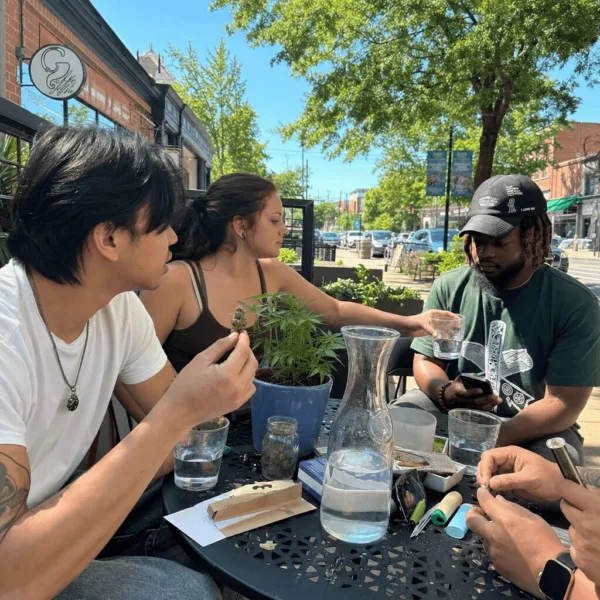
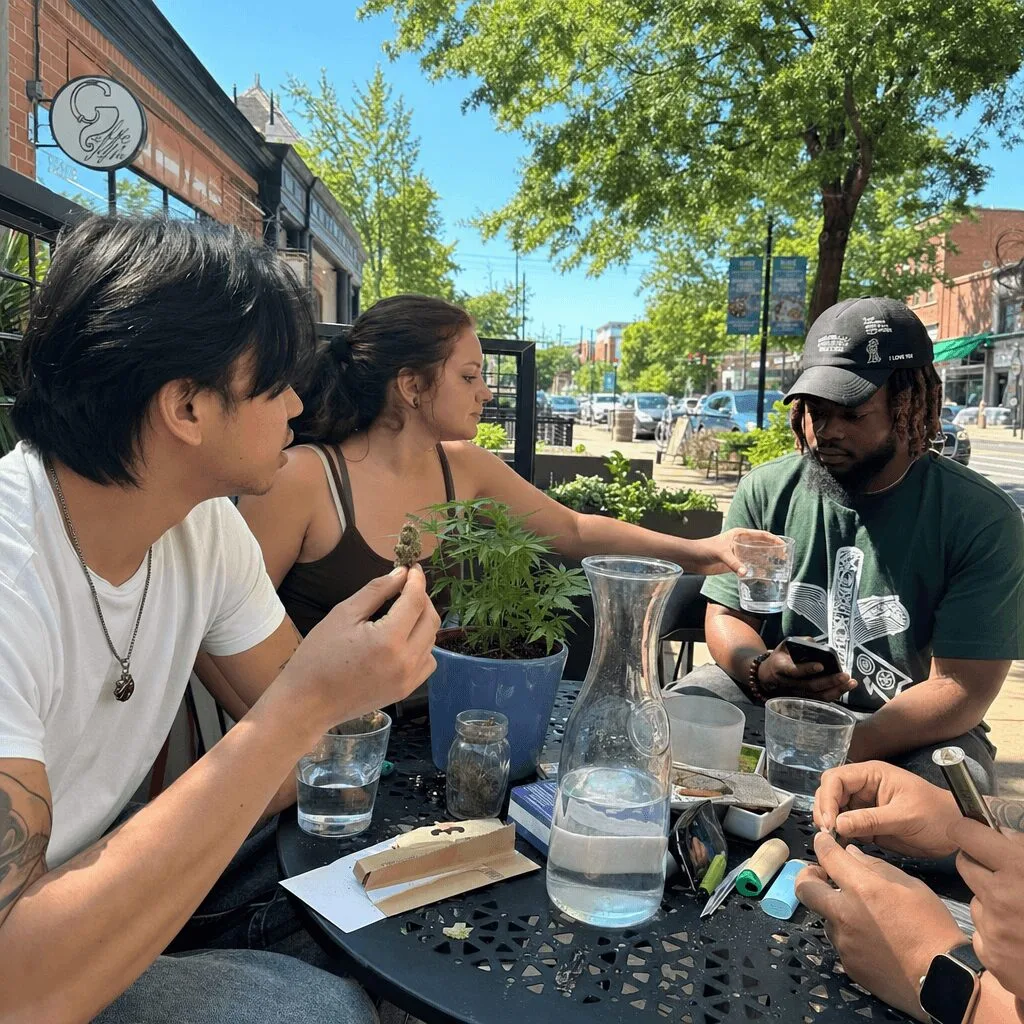
Currently, adults may possess up to one ounce and grow up to four plants per household, but, with no dispensaries or taxed recreational sales, legal gray zones abound. 2021781096929 milestone legalization efforts (signed under then-Governor Ralph Northam) left retail sales dependent on future legislative action, which hasn’t received final approval due in part to changes in partisan control and shifting policy interests. As of mid-20241781096929, the result is a patchwork, with lots of communities wanting clarity, aspiring businesses lobbying hard, and untaxed, unregulated sales continuing unchecked. Recent legislative sessions have seen repeated bills, with the House sometimes passing measures the Senate blocks, or vice versa. All of this was covered in detail by Marijuana Moment, which notes that significant interest persists in hammering out a viable system. The ongoing budget disagreements impacting Virginia’s progress have also been widely discussed, highlighting how a budget impasse could stall much-needed cannabis reforms.
The practical impact, state agencies are in limbo, while industry groups ranging from the Virginia Chamber of Commerce to patient advocacy organizations call for expedited action to ensure safe access, stop illicit trade, and reap potential tax windfalls. This legislative stasis doesn’t just impact the Virginia recreational marijuana market, it leaves consumers, entrepreneurs, and local governments operating in legal uncertainty.
Expert Analysis & Industry Insights
From an industry insider’s perspective, Virginia’s stop-and-start approach makes the Virginia recreational marijuana market a case study in missed opportunities, and untapped potential. Nationally, we’ve seen mature markets like Colorado and California develop powerful models for regulatory oversight, social equity initiatives, and strong tax revenue, while states dragging their feet often see public frustration and persistent underground sales. As Leafly reports, delays and over-regulation have repeatedly led to illegal market dominance. Discussing Virginia’s ongoing legislative stalemate, Tom Angell, founder of Marijuana Moment, observed: “States that establish clear, transparent regulations see both industry growth and improvements in consumer safety. Prolonged limbo only serves illicit players.”
What’s more, public support keeps climbing. According to a 20241781096929 survey by the AP-NORC Center, most Virginians favor full legalization and want real opportunities for legal purchase. The current legal gray area not only frustrates consumers but also stifles entrepreneurial spirit among small business owners hoping to enter the regulated space. Industry leaders stress that delayed action compounds inequities and means revenue, and jobs, are being left on the table. For entrepreneurs eyeing local business options, it’s crucial to understand what retail vetoes actually mean for Virginia businesses right now.
As social perceptions shift and the industry matures, experts agree the time for hesitation is over. It’s high time, for Virginia to embrace the benefits other states already enjoy, keeping safety, public health, and fairness in focus.
What’s Next for Virginia’s Market? Outlook & Conclusion
Looking ahead, there’s every reason to believe the Virginia recreational marijuana market will eventually come in out of the fog. The market’s potential—social, economic, and communal—is simply too big to ignore. As lawmakers, advocacy groups, and businesses push for clear regulations and safe, legal access, public pressure will only grow. In fact, according to the National Organization for the Reform of Marijuana Laws (NORML), the trend nationally is toward more open, equitable, and well-regulated markets. That’s proven to foster innovation, consumer safety, and fair competition.
With careful planning, bold leadership, and the will to move beyond political hesitation, Virginia could not only catch up but set a new Southern standard. For advocates, patients, and everyday Virginians, one thing is clear: the next phase of the Virginia recreational marijuana market holds the promise of smarter policy, broader opportunity, and, maybe one day soon, the perfect homegrown session shared in the open. The future’s bright—and greener than ever.
Originally reported by: wric.com