



Cannabis Policy Change Colorado: What You Need to Know Now
Cannabis policy change Colorado is dominating headlines once again, and for good reason. New regulations and shifting legal tides are reshaping everything from dispensary operations to consumer rights in the Centennial State. As federal and state guidelines evolve, understanding what’s changed—and how it impacts both the industry and your next visit to the shop—has never been more important. Get the details on Colorado’s latest moves, the context behind them, and what this means for fans, businesses, and communities heading into 2025.
Background: Colorado’s Cannabis Culture and Regulatory Roots
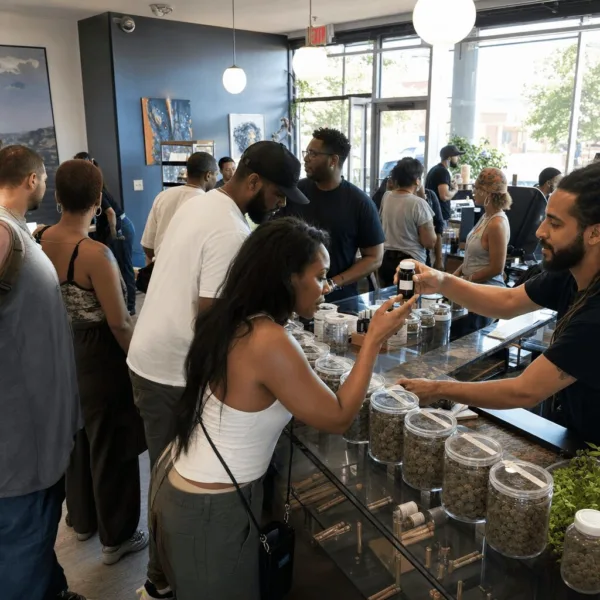
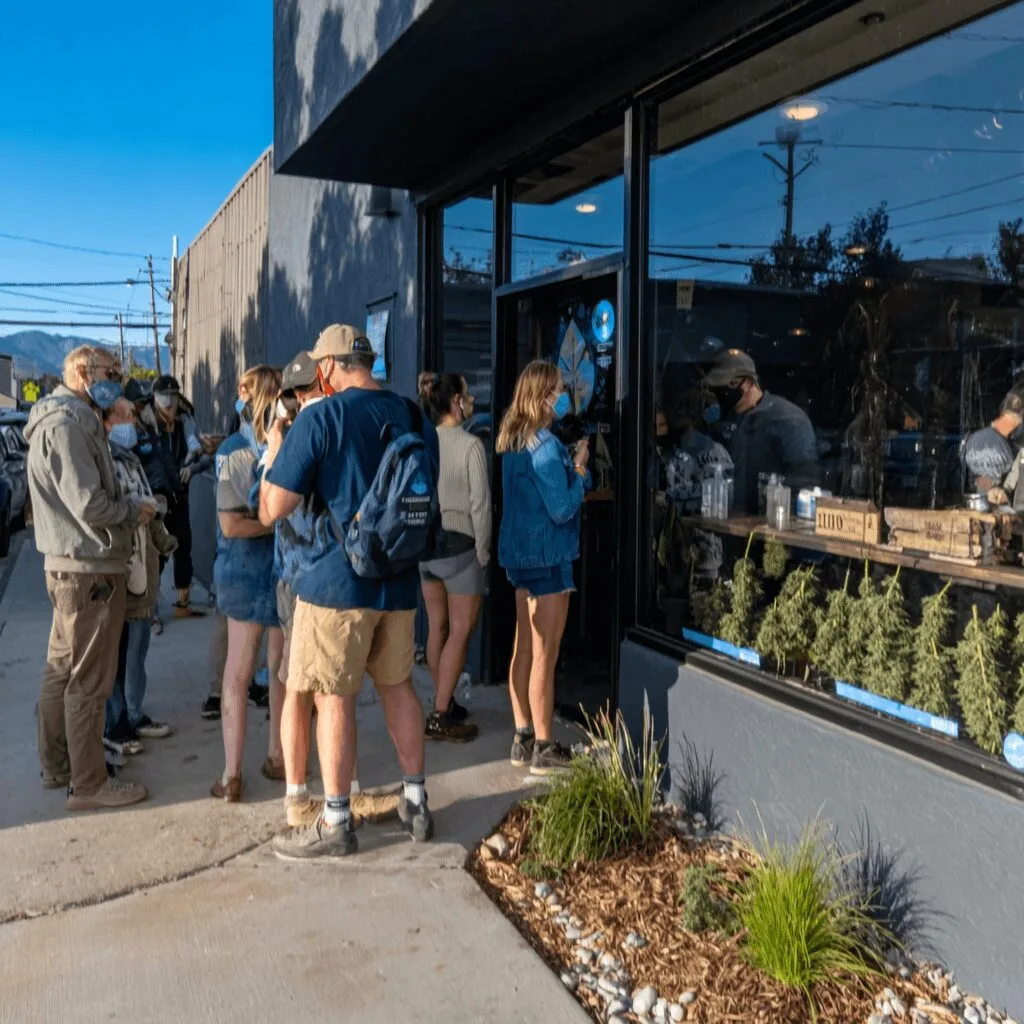
If you’ve ever visited a Colorado dispensary or just driven through downtown Denver, you’ve seen firsthand how cannabis is woven into everyday life. Ever since Colorado became a trailblazer with Amendment 64 legalizing recreational use in 2012, the state has set the gold standard for adult-use programs nationwide. But regulatory frameworks are never static. As consumer demand grows and federal whispers about rescheduling cannabis amp up, every move in Colorado creates ripple effects beyond its borders. A rising focus in terpene science is also transforming cannabis products statewide, as recent trends have explored the potency and flavor unlocked by terpene crystals in response to market demand. According to the Colorado Marijuana Enforcement Division, annual sales regularly top $1.5 billion, yet regulatory questions about interstate commerce, banking, and public health funding remain pressing. These policy shifts matter, not just for industry insiders but for communities, patients, and anyone participating in Colorado’s vibrant cannabis scene.
Key Developments: New Laws, Federal Reforms, and Industry Reactions
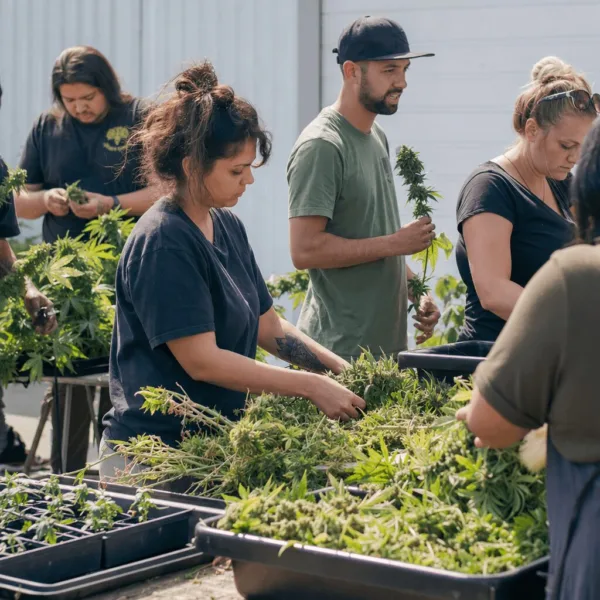
The cannabis policy change Colorado is experiencing right now is fueled by major federal and state shake-ups. On December 18, 2025, CPR News reported sweeping federal action: marijuana is moving toward reclassification from a Schedule I to a Schedule III drug. This doesn’t mean dispensaries will start popping up in Walgreens overnight, but it does create real movement on issues like research funding, medical recommendation limits, and taxation. In fact, for those following the impact of marijuana rescheduling on federal policy, here’s how these changes could affect you now as state and federal measures evolve. On the state scene, Governor Jared Polis has voiced support for measures reducing criminal penalties and expanding social equity programs to bring more diverse ownership into Colorado’s cannabis industry. Meanwhile, established brands like Native Roots and LivWell are exploring multistate strategies, while smaller players are assessing the impact of compliance changes. According to Marijuana Moment, the new legal landscape is forcing every license holder to re-evaluate business plans as federal and state authorities iron out the details.
Expert Analysis: What These Changes Mean for Colorado and Beyond
The cannabis policy change Colorado is undertaking isn’t just about red tape, it’s a bellwether for national reform. By moving cannabis to Schedule III, the DEA is signaling a new era. As national cannabis law expert Hilary Bricken put it in Canna Law Blog: “Rescheduling isn’t full legalization, but it’s a critical step that loosens the stranglehold on research and responsible commerce.” For additional perspective, Trulieve’s positive response highlights how industry leaders are applauding the shift and discussing its broader impact on both businesses and communities. In other words, we’re seeing incremental but meaningful progress. For operators, this means enhanced banking access and the ability to claim tax deductions previously denied under Section 280E, according to Forbes contributor Robert Hoban. For consumers, social equity plans may open doors for first-time entrepreneurs, while expanded retail licensing could normalize cannabis as much as your local brewery or coffee shop. The mood among long-time advocates? Cautiously stoked. The bureaucracy might be slow, but the train’s definitely moving.
Future Outlook: Colorado’s Cannabis Era Moves Forward
Looking ahead, the cannabis policy change Colorado faces today promises deeper industry maturity, mainstream acceptance, and innovative new partnerships. Regulatory improvement will keep the market healthy, as confirmed by NORML, and public support for smarter, safer cannabis policy is hitting all-time highs. Businesses will adapt, consumers will benefit, and Colorado remains—in spirit and in practice—the country’s cannabis pioneer. Buckle up; the next chapter looks greener than ever.
Originally reported by: cpr.org



1 Comment
Pingback: Cannabis Rescheduling Impact: Cresco Labs CEO on Industry Shift