





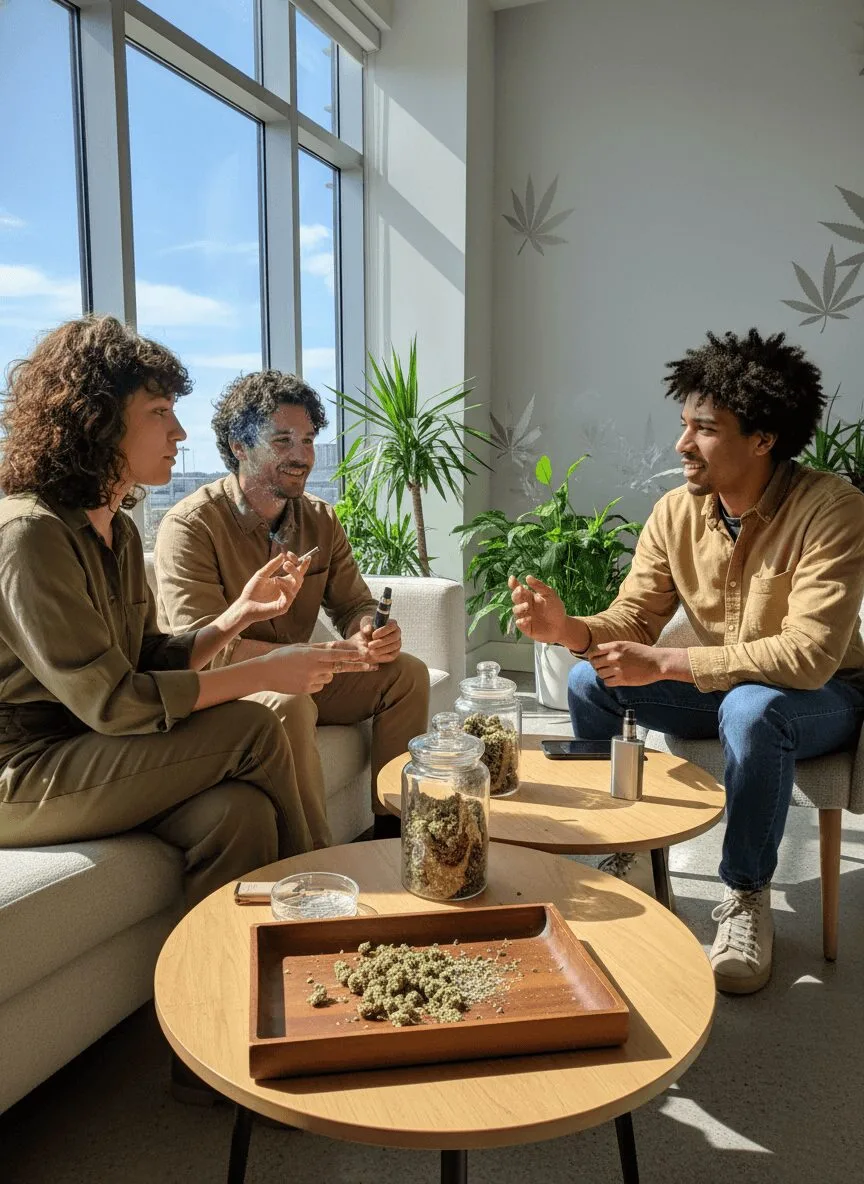
Cannabis Lounge Regulations: What New Bedford Officials Are Saying
The rise of cannabis lounges has sparked big conversations across Massachusetts, especially around cannabis lounge regulations. With new local developments in New Bedford making headlines, the debate is heating up over how these spaces should operate, ensuring both safe enjoyment and community responsibility. Whether you’re a curious consumer, business operator, or policy wonk, keeping up with these cannabis lounge regulations is crucial right now. Let’s dive into the heart of the matter: what’s changing, why it matters, and where advocates (like yours truly) see this heading.
The Regulatory Landscape: Cannabis Lounge Regulations in Context
Ever since Massachusetts legalized recreational cannabis, discussions around public consumption have gained momentum, with a particular focus on how states regulate on-site usage. Lounge-style consumption on-site continues to walk a fine line between anticipation and caution. Regulators are working out detailed cannabis lounge regulations to balance adult freedom with public health interests. Most states that allow consumption lounges impose strict rules regarding ventilation, security, and designated locations, addressing prevalent issues like secondhand smoke and impaired driving, which has been discussed in-depth in campaigns focused on marijuana impaired driving and public safety. The Massachusetts Cannabis Control Commission remains responsible for complying with state standards, while local municipalities—such as New Bedford—must further tailor and apply these rules to reflect their specific priorities. This decentralized approach to policy-making means the way towns handle these new licenses can influence social equity and safety, as reported by MJBizDaily. Considering the blend of local perspectives and national models from states like Nevada and California, the importance of adaptable regulations has never been more apparent.
New Bedford’s Latest Moves: Key Developments & Issues
On April 14, 2026, New Bedford officials expressed concerns regarding the local rollout of cannabis lounges in light of the updated cannabis lounge regulations. As noted by SouthCoastToday, city leaders and community voices gathered to address public safety matters like effective sober driving measures after on-site cannabis use. This led to an active debate about enforcement: Should law enforcement maintain visible presence near lounges? How can impairment be reliably judged with current technology? Mayor Jon Mitchell called for “striking a balance between hospitality and responsibility,” a sentiment echoed by social equity applicants who are advocating for rules that encourage entrepreneurship rather than overregulation. Applications are anticipated to grow after the Cannabis Control Commission’s latest license rulings, a development which has fueled additional conversations around local zoning and business access. Many local groups—learning from challenges faced in other legal markets including issues elaborated in the Rhode Island licensing process—have called for more thorough education and oversight, marking New Bedford as a bellwether for implementation success in real American cities.
Expert Analysis, Counterpoints, and Pro-Cannabis Perspective
Cannabis advocates maintain that the path forward for social consumption depends on robustly regulated lounges. While the questions put forth in New Bedford mirror challenges in other progressive states, experts point to solutions rather than roadblocks. Industry analyst Amanda Reiman, writing for Leafly, noted, “Integrated cannabis lounge regulations can actually reduce risky behaviors by moving consumption out of alleyways and private cars, and into safer, managed spaces.” Supporters assert that cities like San Francisco have not seen significant increases in DUIs or public health emergencies after adopting these measures. Public health authorities widely agree that normalization, supported by public education and science-driven limits, results in optimal safety outcomes. Also, the importance of continued investment in training, public campaigns, and science-based testing stands out—a lesson reinforced by changes in neighboring regions, such as developments in North Carolina cannabis regulation, where policy reforms are actively transforming market standards. The future playbook for cannabis lounge regulations should emphasize adaptation and evidence-driven policy refinement for lasting impact.
What’s Next? The Future of Cannabis Lounge Regulations and Community
Looking ahead, the cannabis lounge scene in New Bedford—and across Massachusetts—will be a crucial test case for thoughtful regulation. As more municipalities examine the results of nuanced cannabis lounge regulations, it’s expected that rules will evolve toward sensible, data-driven frameworks. According to recent forecasting from Marijuana Moment, consumer demand for these spaces is “growing fast, pushing regulators and entrepreneurs alike to innovate responsibly.” With continued collaboration between local leaders, health experts, and the cannabis community, there’s plenty of reason for optimism. Evidence from mature markets shows that well-implemented cannabis lounge regulations empower social equity, support local economies, and provide safe, enjoyable spaces for adults—while keeping communities protected. The next few years will be formative, but the future is looking both green and bright in New Bedford and beyond.
Originally reported by: southcoasttoday.com


